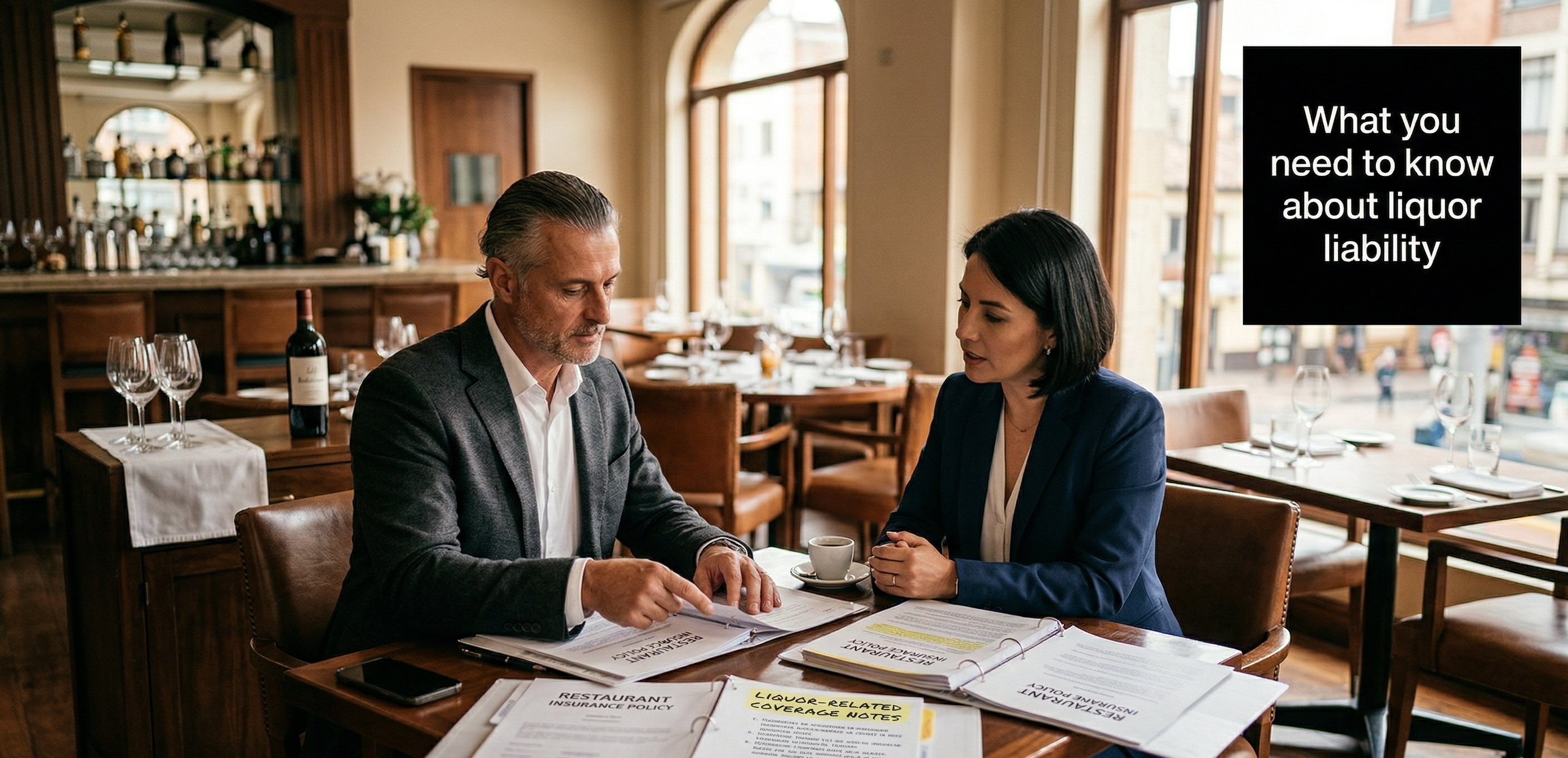
Running a restaurant in Florida means managing a fast-paced, high-risk environment where every decision can impact both daily operations and long-term profitability. Yet one of the most commonly overlooked areas is insurance, specifically, how restaurant owners select, maintain, and use their policies. Even experienced operators can fall into traps that leave them underinsured, overpaying, or vulnerable to unexpected losses.
Understanding these pitfalls is essential for protecting a business from financial disruption. Below are the top 10 mistakes Florida restaurant owners make with their insurance, along with insights to help business owners strengthen their protection using reliable Florida commercial insurance options such as General Liability and Business Owners Policies.
1.Underestimating the Risks Unique to Florida
Florida restaurants face risks that differ from those in other states such a hurricanes, sudden storms, flooding, high humidity, and heavy seasonal crowds. Many business owners underestimate the need for comprehensive coverage that accounts for local threats.

The Federal Emergency Management Agency (FEMA) emphasizes that businesses in coastal states must proactively evaluate catastrophe-related exposures. Without proper Florida commercial insurance, owners may find themselves paying high out-of-pocket costs after severe weather or property damage.
2.Relying Only on Basic Liability Coverage
General Liability Insurance is a foundational protection, but it’s not enough to safeguard a restaurant from the full range of risks. Property damage, equipment breakdowns, food spoilage, liquor liability, and cyber incidents often require additional coverage through a Business Owners Policy or supplemental protections.
Many owners discover too late that their basic policy does not cover business interruption or spoilage from power outages, two exposures that are unfortunately common in Florida’s restaurant industry.
3.Not Updating Insurance as the Business Grows
A restaurant that expands seating, adds catering services, renovates, or increases its staff needs updated insurance. But many owners forget to notify their provider after operational changes. As a result, they remain underinsured and at risk of denied claims.
The U.S. Small Business Administration (SBA) recommends that every business update its insurance annually or after any significant operational change. This ensures that the policy reflects accurate replacement costs, employee counts, and liability exposures.

4.Failing to Evaluate Business Interruption Coverage
Business interruption coverage is one of the most valuable protections for restaurants, especially in Florida where storms and tourism demand create unpredictable conditions. Yet many owners skip this coverage because they assume closures will be brief or rare.
In reality, even a short disruption during high season can cost thousands. Without proper Florida commercial insurance, owners may not recover lost revenue or payroll expenses.
5.Ignoring Workers’ Compensation Requirements
Even small restaurants or family-run establishments must comply with Florida’s workers’ compensation laws. Accidents in kitchens happen quickly, and not having proper coverage can lead to legal penalties, lawsuits, and financially devastating medical bills.
Restaurant owners can find state-specific guidelines directly through the Florida Department of Financial Services. Ensuring compliance not only protects employees, it also protects the business from regulatory consequences.

6.Choosing the Cheapest Policy Instead of the Right Policy
Budget matters, but choosing the least expensive policy often means sacrificing essential protections. Many business owners realize too late that low-cost plans exclude common restaurant risks such as:
- Fire damage from kitchen equipment
- Water damage from burst pipes
- Employee theft
- Food contamination
- Equipment breakdown
A Business Owners Policy typically provides more complete protection at a competitive cost, making it a smarter long-term investment for Florida restaurants.
7.Not Documenting Inventory and Equipment Properly
When filing a claim, insurance providers require proof of property value. Restaurant owners who fail to keep updated inventories or receipts often struggle to recover the full cost of equipment, furniture, or supplies.
This issue becomes even more critical after storms, fires, or large-scale kitchen accidents. Maintaining updated records ensures smoother claims processes and helps prevent financial loss.
8.Overlooking Cyber Liability Needs
Modern restaurants rely heavily on online ordering systems, digital payment processors, reservation apps, and Wi-Fi networks. Cyber incidents, including data breaches and ransomware are becoming increasingly common.
The Cybersecurity & Infrastructure Security Agency (CISA) warns that small businesses are frequent targets because they often lack strong security protocols. Yet many restaurants operate without cyber liability coverage, leaving them vulnerable to expensive recovery costs, legal liability, and reputational damage.

9.Not Comparing Different Policy Options
Many restaurant owners purchase insurance quickly or renew automatically without exploring better options. But Florida’s dynamic market means coverage options and pricing can vary significantly.
Working with an independent agency helps owners compare providers, understand exclusions, and select policies tailored to their restaurant’s size, style, and exposure. This step alone can save money and increase long-term protection.
10.Assuming the Insurance Provider Handles Everything Automatically
Insurance isn’t a “set it and forget it” part of business. Restaurant owners must stay actively involved by:
- Reviewing policies annually
- Asking questions about exclusions
- Confirming that coverage meets the restaurant’s current needs
- Understanding the claims process
- Keeping open communication with their insurance agent
Being proactive ensures that coverage stays aligned with evolving risks, especially in a fast-changing environment like Florida.
Strengthening Protection with the Right Coverage
Avoiding these common mistakes begins with understanding the unique risks Florida restaurants face and investing in insurance that reflects real operational needs. Restaurant owners who proactively review their policies, stay informed, and choose comprehensive proper Florida commercial insurance options place themselves in the best possible position for long-term success.
Whether it’s protecting revenue, staff, property, or customer safety, the right insurance makes all the difference.
Restaurant owners ready to reassess their coverage can explore more solutions at: https://usa-cis.com/

 Dubb
Dubb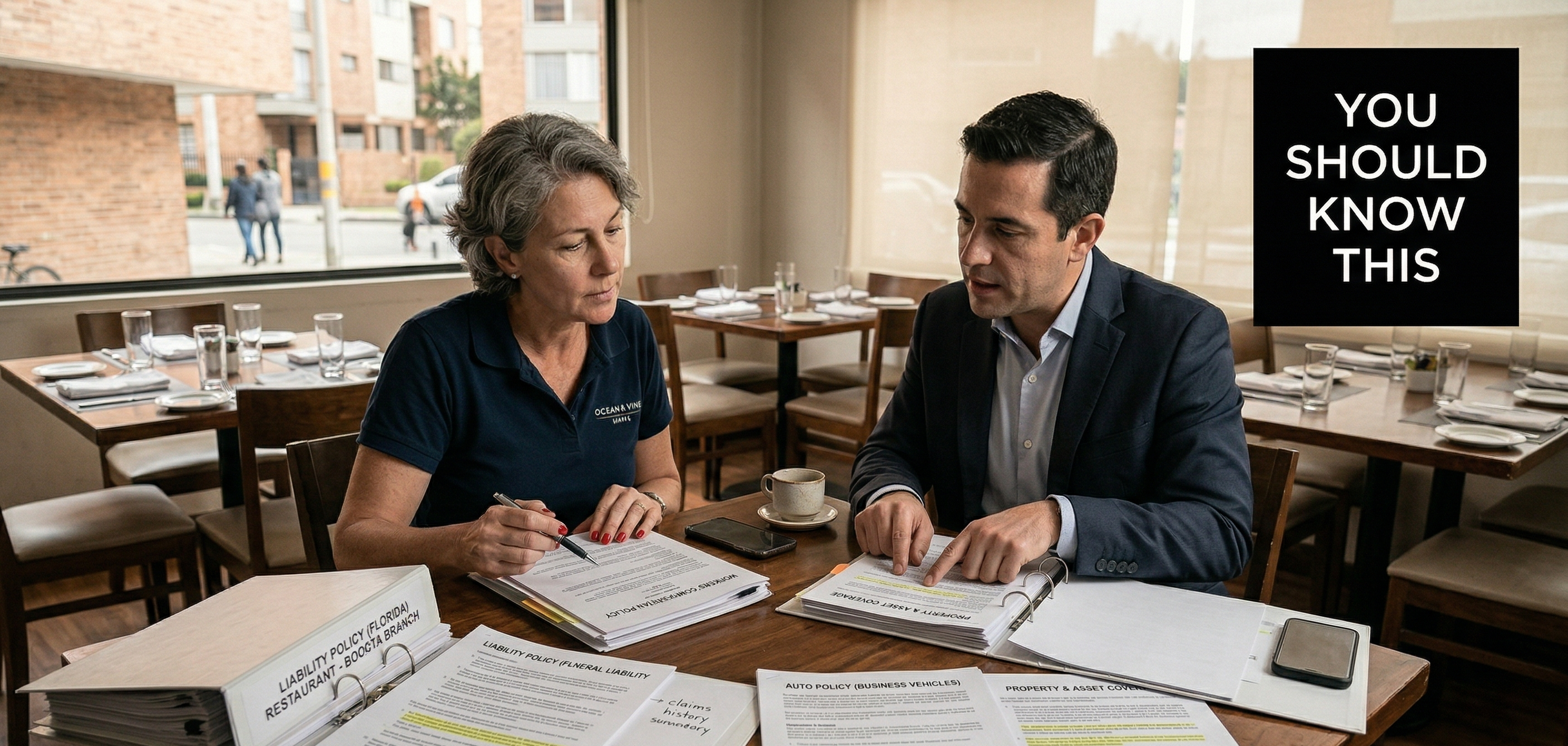
 USA.CIS