With more households and commercial properties relying on septic systems in Dutchess County, the importance of using biodegradable and septic-safe products has never been more critical. As residential developments expand and more properties move off municipal sewer systems, there’s a growing dependency on individual and shared septic infrastructure. This shift places greater pressure on system maintenance and highlights the urgent need for responsible usage habits. The wrong items can compromise a system’s ability to treat waste, clog critical components, and lead to expensive maintenance issues, sometimes requiring full replacements or emergency service calls that could have been easily avoided.
For homeowners, property managers, and professionals alike, knowing which products support septic health, and which ones to avoid, plays a vital role in protecting both property investments and local water quality. Everyday choices, from laundry detergents and household cleaners to personal care items and paper products, have a direct impact on system performance. Using products labeled biodegradable and septic-safe ensures that what’s being flushed or drained won’t disrupt the microbial balance essential for breaking down waste.
Septic systems are sensitive to what goes down the drain. Even a small change in household habits can significantly affect system longevity and operational efficiency. Choosing proper materials can support smoother operations, reduce the frequency of Dutchess County NY Septic Tank Pumping, and extend the lifespan of the entire system. For example, avoiding antibacterial soaps, petroleum-based cleaners, and non-dissolvable wipes not only safeguards your plumbing but also minimizes the risk of groundwater contamination, a growing concern in many parts of the region.
This guide explores biodegradable and septic-safe products, offering region-specific insights and practical guidance to keep systems operating efficiently. From eco-friendly alternatives to common household items to expert tips tailored to Dutchess County’s unique soil and environmental conditions, we provide everything needed to make smart, sustainable decisions. Whether you’re managing a large commercial complex or maintaining a single-family home, these best practices are essential for long-term performance and compliance with local environmental guidelines.
What Does “Septic-Safe” Really Mean?
Core Definition
“Septic-safe” refers to products that break down quickly and do not disrupt the natural bacterial processes within a septic system. These include items like toilet paper, soaps, detergents, and cleaning agents that dissolve easily, avoid toxic chemicals, and don’t leave behind residue or buildup. The goal is to preserve the biological balance inside the tank, allowing beneficial bacteria to efficiently digest solid waste and prevent clogs or overflows.
Using products labeled septic-safe helps prevent the accumulation of harmful substances that can interfere with system function. For example, chlorine bleach, phosphates, and harsh antibacterial ingredients can kill off the very microbes that make a septic system work effectively. When these helpful bacteria are compromised, the system struggles to process waste, often leading to unpleasant odors, backflow, or the need for premature Dutchess County NY Septic Tank Pumping services.
Septic-Safe vs. Biodegradable
While often used interchangeably, “septic-safe” and “biodegradable” are not synonymous. Biodegradable refers to a product’s ability to decompose naturally in the environment over time, which is essential for reducing landfill waste and protecting ecosystems. However, a biodegradable product may still be unsuitable for septic systems if it contains oils, synthetic additives, or antibacterial compounds that can disrupt microbial life.
For instance, some biodegradable wipes or soaps include essential oils or preservatives that, while environmentally friendly, may still contribute to buildup inside the tank or inhibit bacterial activity. On the other hand, a truly septic-safe product is specifically designed to be compatible with the internal environment of a septic system, free from ingredients that would cause imbalance, blockages, or corrosion.
Understanding this distinction is crucial for homeowners and property managers in Dutchess County who want to make informed decisions. Choosing truly septic-safe products helps reduce the frequency of professional maintenance, lowers the risk of costly repairs, and supports both household sanitation and broader environmental health.
Why Septic-Safe Choices Matter in Dutchess County
Local Soil and Environmental Considerations
Dutchess County’s varied terrain, from rural homesteads to densely developed towns, means septic systems may operate under different environmental pressures. Homes near water bodies, wetlands, or with high water tables face heightened risk from contaminants.
Choosing septic-safe and biodegradable products helps reduce nutrient loading into the groundwater and surrounding streams. For example, phosphates in cleaning products can cause algae blooms when leached into nearby creeks, making water unsafe and unbalanced.
Regular Dutchess County NY Septic Tank Cleaning removes buildup, but even well-maintained systems can struggle when overloaded with non-degradable waste or harsh chemicals.
Products to Avoid in Septic Systems
Maintaining a healthy septic system in Dutchess County requires careful consideration of what goes down the drain and toilet. While many products are marketed as convenient or “flushable,” they can be highly damaging to septic infrastructure. To prevent system failure, frequent Dutchess County NY Septic Tank Pumping, or costly repairs, it’s essential to know which products to avoid entirely.
Harmful Household Cleaners and Additives
Certain everyday cleaning agents contain harsh chemicals that disrupt the biological processes essential to a functioning septic system. These substances kill beneficial bacteria, corrode pipes, and can lead to toxic buildup in the tank and leach field.
- Bleach: While useful for disinfecting, bleach kills beneficial bacteria that support waste breakdown. Even in small amounts, regular use can significantly reduce bacterial efficiency, slowing decomposition and increasing sludge accumulation.
- Antibacterial soaps: Designed to eliminate germs on the skin, these products also harm microbial communities in the tank and drainfield. Over time, their regular use can severely reduce the natural bacteria population that keeps a septic system running smoothly.
- Ammonia and chemical drain cleaners: Though effective at clearing clogs, these products damage pipes and septic components. The corrosive nature of chemical drain cleaners can lead to premature pipe deterioration and introduce toxic substances into the tank.
- Solvents or oil-based paints: These are extremely toxic to bacteria and may cause tank buildup. Even small amounts from paint cleanup or tool washing can interfere with microbial action and contribute to thick, sticky residue in the tank.
For septic system longevity, it’s best to choose natural, biodegradable alternatives and limit chemical use whenever possible.
Non-Biodegradable Paper Goods
Despite marketing claims, not all paper goods are created equal. Some common household items do not break down efficiently in septic environments, increasing the risk of blockages, overflow, and frequent Dutchess County NY Septic Tank Pumping visits.
- Flushable wipes: These often do not break down and contribute to blockages. Despite being labeled “flushable,” they retain their shape long after entering the system, creating obstructions in pipes and adding to tank sludge.
- Sanitary products: Items like tampons and pads contain synthetic fibers that do not decompose. Their absorbent materials are engineered to hold moisture, making them resistant to breakdown and potentially harmful to system flow.
- Paper towels: Designed for strength and absorption, they are too thick to disintegrate properly. When flushed or washed down the drain, they can form clumps that disrupt flow and clog pipes.
Avoiding these products and opting for septic-safe alternatives ensures smoother operation, fewer emergencies, and a longer-lasting septic system tailored to the unique needs of Dutchess County properties.
Better Alternatives: Septic-Friendly Essentials
Septic-Safe Toilet Paper
Toilet paper designed for septic systems dissolves faster and avoids unnecessary stress on the tank. Look for:
- Products labeled “septic safe” or “RV safe”
- Single-ply, non-quilted varieties
- Unbleached or recycled options
Eco-Friendly Cleaning Agents
Safer alternatives for everyday cleaning include:
- Vinegar and baking soda solutions
- Plant-based all-purpose cleaners
- Enzyme-based toilet bowl cleaners
Enzymes work with the natural bacteria already present in the tank, improving digestion of solids rather than disrupting it.
Septic-Compatible Dish and Laundry Detergents
Choose low- or no-phosphate options and avoid those with optical brighteners or synthetic fragrances. Powdered formulas are often preferred over concentrated gels, which may be harder to dilute.
For households with large water usage, such as those running frequent laundry cycles, pairing gentle detergents with regular Dutchess County NY Septic Tank Inspection can ensure the system remains balanced.
Managing Non-Biodegradable Waste at Home
Practical Disposal Tips
To minimize harm to septic systems:
- Throw non-biodegradable hygiene items in the trash.
- Dispose of expired medications at approved collection points.
- Recycle cooking oils rather than pouring them down drains.
- Install drain filters to capture hair, food, and debris before they enter the system.
These steps reduce the likelihood of Dutchess County Septic Tank Repair due to preventable clogs or contamination.
The Role of Greywater and Septic Health
Managing a septic system effectively in Dutchess County means understanding not just what goes into toilets, but also how other wastewater sources, like greywater, can affect system health. Many households overlook this aspect, yet greywater plays a significant role in overall septic performance and maintenance schedules, including the frequency of necessary Dutchess County NY Septic Tank Pumping.
Understanding Greywater Impact
Greywater refers to wastewater generated from sinks, bathtubs, showers, dishwashers, and laundry, not toilets. Because it doesn’t contain human waste, it’s often perceived as less harmful. However, greywater can still introduce a variety of substances into the septic system that interfere with microbial processes essential for breaking down solids.
This type of water may contain:
- Detergents and surfactants that inhibit bacterial activity
- Oils and fats from bathing and washing that accumulate in the tank
- Organic matter like food particles and hair that contribute to sludge buildup
When greywater systems are connected directly to the septic tank, as they are in most traditional residential setups, its contents must be carefully managed to ensure they don’t overload or harm the system.
In homes with high-volume greywater output or those considering separate greywater systems, it’s critical to implement the following best practices:
- Limit use of antibacterial soaps: These can significantly reduce the population of beneficial bacteria that process waste inside the tank.
- Choose biodegradable laundry detergents: These break down more easily and are free from phosphates and synthetic agents that disrupt tank balance.
- Avoid fabric softeners that introduce synthetic additives: Many conventional softeners coat fabrics with chemicals that resist breakdown and contribute to scum layers in the tank.
Additionally, high-efficiency washers and eco-conscious bathing habits can help reduce water volume and chemical load entering the septic system through greywater. This not only supports system balance but also extends the time between required Dutchess County NY Septic Tank Pumping appointments.
When properly managed, greywater can even support sustainable practices such as irrigation reuse, especially in rural parts of Dutchess County where water conservation is a priority. However, when connected to septic tanks, every element of greywater must still follow septic-safe guidelines to protect the system and surrounding environment. Responsible greywater management is an often-overlooked but essential piece of comprehensive septic health.
Septic System Additives: Helpful or Harmful?
Understanding Commercial Additives
The market is full of “septic boosters,” many of which claim to improve performance. However, according to the EPA SepticSmart Program, most residential septic systems do not need additives when used properly.
Some enzyme-based or bacterial starters may be helpful after system startups or pumping, but frequent use of chemical additives can alter tank chemistry and harm existing microbial populations.
Seasonal Considerations and Product Use
Septic system performance is influenced not just by the products used, but also by seasonal patterns and changes in household behavior. In Dutchess County, where winters can be long and gatherings frequent, adjusting septic care routines throughout the year is essential to avoid preventable strain on the system and reduce the need for emergency Dutchess County NY Septic Tank Pumping.
Winter and Holiday Seasons
During colder months, homeowners often use more disinfectants to combat seasonal illness. Increased concerns about colds, flu, and now ongoing public health considerations often lead to heightened sanitation practices. While necessary for maintaining a healthy home, overuse of chemical disinfectants can kill septic bacteria, the very organisms responsible for breaking down waste and keeping your system functioning properly.
To support both household hygiene and septic system health:
- Choose gentler alternatives like natural, plant-based cleaners or low-impact options such as vinegar and baking soda.
- Use disinfectants in moderation, targeting high-contact areas rather than over-sanitizing all surfaces.
- Always check that cleaning products are labeled as biodegradable and septic-safe before use.
Frozen ground and low temperatures can also slow the natural decomposition processes inside your tank and drainfield. This makes it even more critical to avoid sending harsh chemicals or non-biodegradable materials down your drains during the winter season. A balanced approach ensures both a clean home and a properly functioning septic system.
Holiday gatherings also increase water and waste volume, often unexpectedly. More people in the house means more flushing, more dishwashing, and more laundry, all of which can push a septic system beyond its normal operating capacity. In these times, relying on septic-friendly dish soaps and practicing conservative water usage is especially important.
Smart strategies for managing septic systems during the holidays include:
- Spacing out water-intensive activities like laundry and showers to reduce peak loads on the system.
- Running dishwashers only when full, and using phosphate-free, septic-safe detergents.
- Reminding guests not to flush anything other than toilet paper, especially important when young children or guests unfamiliar with septic systems are visiting.
- Avoiding deep fryer oil or grease disposal down kitchen drains, which can lead to clogs and interfere with tank performance.
By proactively adjusting cleaning habits and water use to align with seasonal demands, Dutchess County homeowners can keep their septic systems healthy year-round. These mindful practices not only support efficient operation during peak usage times but also extend the system’s lifespan and reduce the need for frequent Dutchess County NY Septic Tank Pumping.
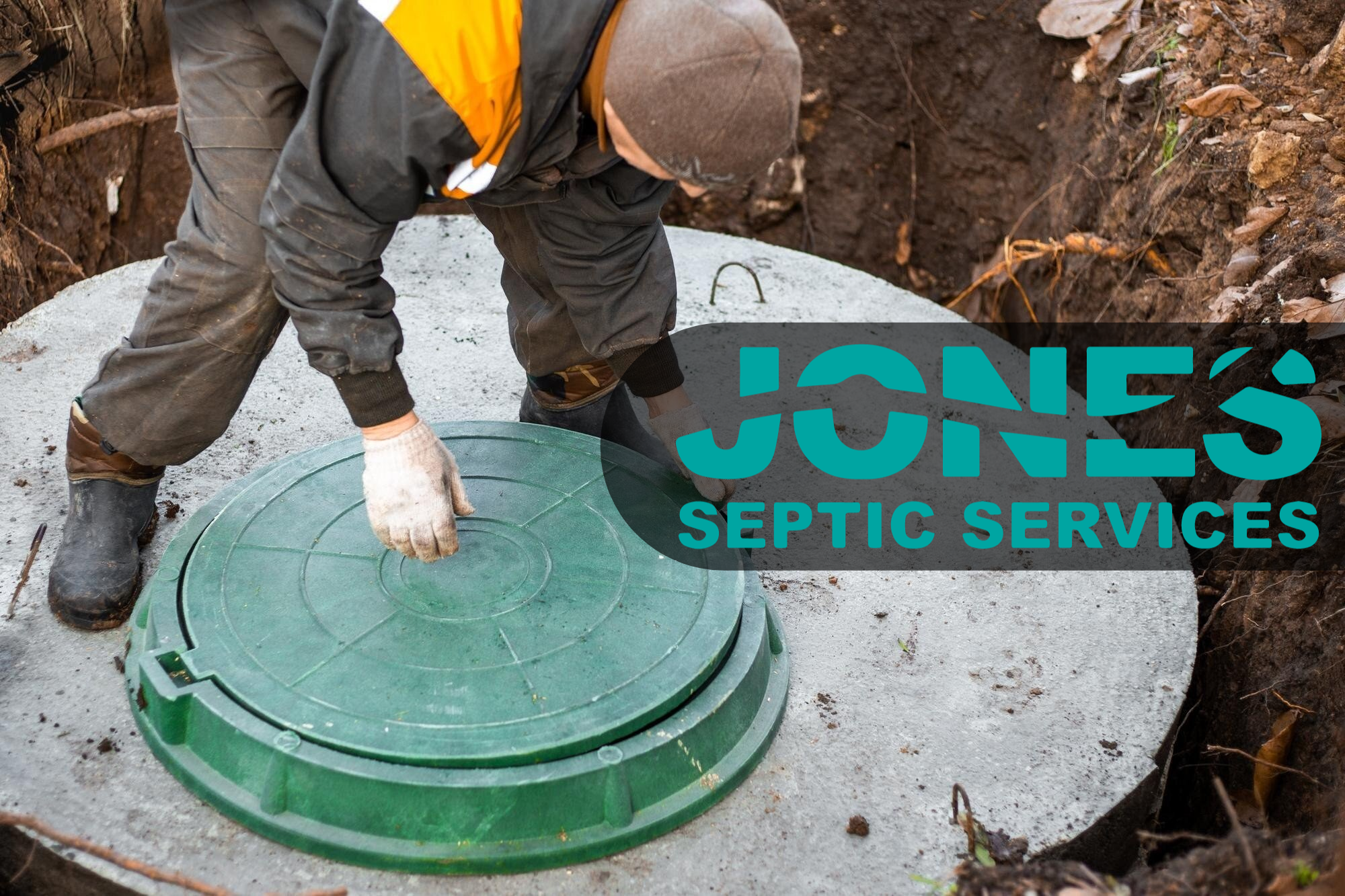
Installation Considerations and Long-Term Product Impact
A well-functioning septic system starts with smart design. The choices made during Dutchess County NY Septic Tank Installation set the foundation for how well the system will handle everyday use, and whether it will require frequent maintenance or early replacement down the line. Understanding how household behaviors and product choices interact with system design is essential for long-term reliability.
Choosing the Right System for the Right Product Use
During Dutchess County NY Septic Tank Installation, professionals take into account several critical factors: the size of the home, the number of occupants, average daily water usage, soil absorption capabilities, and the presence of any unique plumbing features. This includes whether the household uses high-efficiency toilets, dishwashers, or washing machines, all of which affect water flow and waste breakdown dynamics.
In homes that incorporate water-softening systems or graywater diverters, the septic design may need to be modified to handle the increased presence of salt, brine, or specific chemical compounds. These additives, while beneficial for household convenience, can potentially disrupt the microbial balance inside the tank or strain the leach field over time.
For example, if the system isn’t calibrated to handle the byproducts of water softeners or higher concentrations of detergents from energy-efficient appliances, performance can deteriorate faster than expected. That’s why early planning around intended product use is critical, not just for code compliance, but for long-term durability.
Ensuring Long-Term Compatibility
Long-term success requires a match between the products used and the system installed. A septic system that was designed with traditional water volumes and cleaning agents in mind may not perform well if suddenly exposed to ultra-concentrated cleaners, antibacterial products, or non-biodegradable materials.
Property owners should:
- Communicate clearly with their installation professionals about lifestyle and usage patterns.
- Use only biodegradable and septic-safe products that align with system capabilities.
- Schedule periodic inspections and adjustments to ensure the system evolves with changing household needs.
An efficient septic system, when supported with appropriate materials and behavior, can operate reliably for decades. This not only minimizes the risk of costly repairs like Dutchess County Septic Tank Repair, but also reduces the frequency of service calls, pump-outs, and environmental risks associated with system failure.
In Dutchess County, where environmental stewardship and home value go hand in hand, aligning system design with long-term product use isn’t just smart, it’s essential.
Community Responsibility and Education
How Local Choices Affect Regional Water Quality
The cumulative impact of homes using non-septic-safe products affects Dutchess County’s aquifers, wells, and surface waters. Excess nitrogen, phosphates, and pathogens from overloaded systems degrade water bodies and put public health at risk.
Resources like the New York State Department of Health’s Septic Guidelines and the CDC’s Onsite Wastewater Treatment guide offer guidance for choosing and managing household products to reduce this risk.
Local Expertise and Routine Maintenance
Regular inspection and cleaning remain the most effective way to counteract accidental misuse. Services such as Dutchess County NY Septic Tank Cleaning and timely Dutchess County NY Septic Tank Inspection help identify issues early.
Working with local septic professionals ensures:
- Proper documentation for real estate or renovation projects
- Customized guidance on safe product use
- Prompt attention to early signs of failure
Final Thoughts on Septic-Safe Living
Choosing biodegradable and septic-safe products is more than a maintenance decision, it’s a community and environmental responsibility. In Dutchess County, where many homes and businesses depend on decentralized wastewater treatment, individual habits have collective consequences. What each household puts down the drain doesn’t just affect their property, it impacts the surrounding groundwater, local ecosystems, and even the long-term infrastructure of the region.
Making informed decisions about what enters your septic system is one of the most effective ways to preserve its health. Simple actions like reading product labels, reducing chemical usage, and avoiding synthetic materials can significantly lower the risk of clogs, backups, and environmental contamination.
Through mindful purchasing, responsible disposal, and routine maintenance, property owners can avoid unnecessary Dutchess County Septic Tank Repair, protect natural waterways, and extend the life of their systems. Adopting these best practices not only minimizes costly disruptions but also reinforces a shared commitment to sustainability and local well-being.
By embracing a septic-safe lifestyle, residents contribute to cleaner water, healthier soil, and reduced demand for emergency services like Dutchess County NY Septic Tank Pumping. It’s a win-win for the individual and the broader community, ensuring reliable sanitation today and environmental resilience for the future.
 Dubb
Dubb