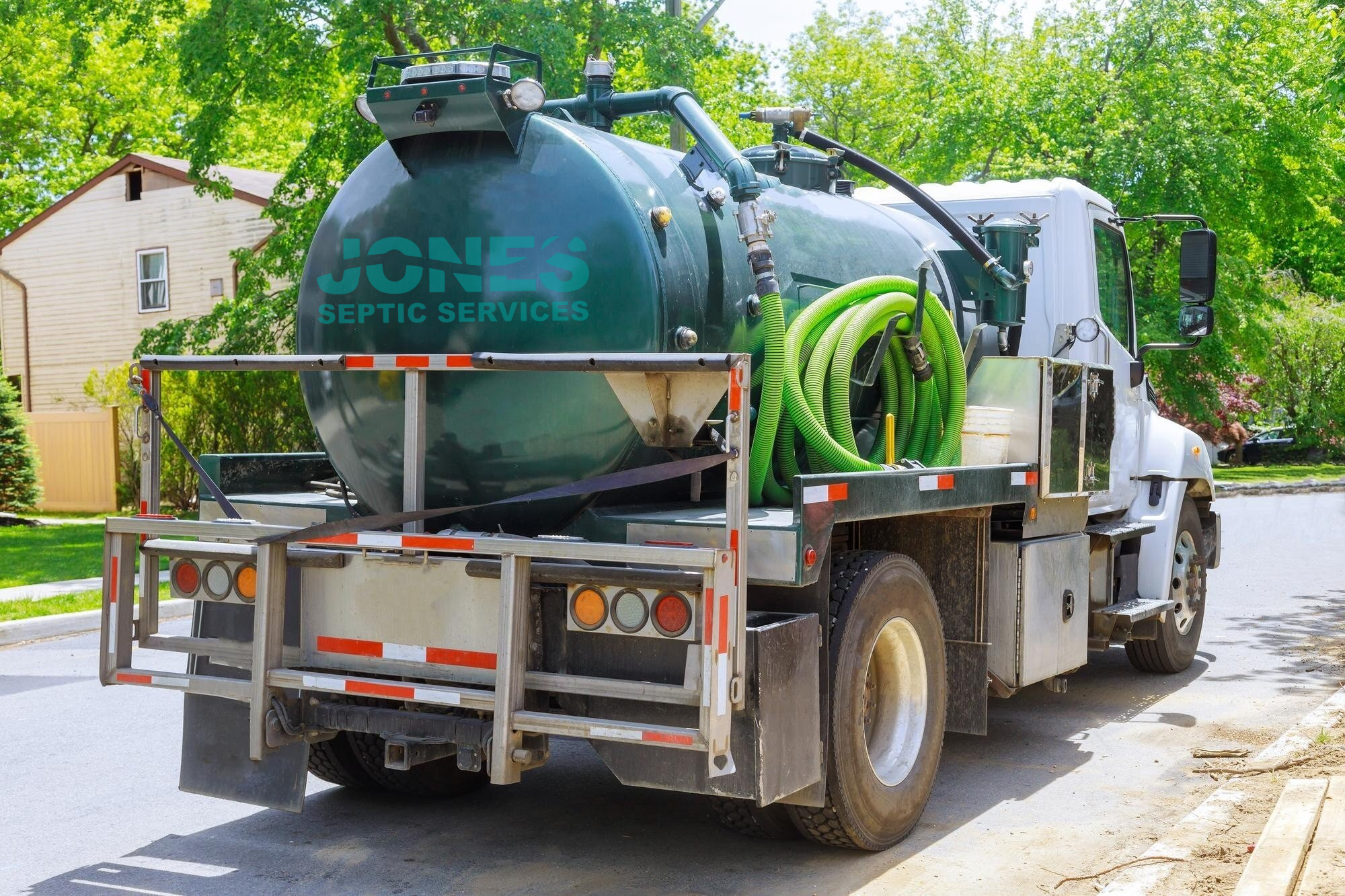
Septic systems operate quietly beneath thousands of homes and commercial properties throughout Dutchess County. In communities such as Poughkeepsie, Beacon, Hyde Park, Rhinebeck, and Wappingers Falls, onsite wastewater systems are not optional infrastructure, they are essential to daily life.
Yet one of the most common maintenance tasks, routine septic tank pumping, is also one of the most frequently delayed.
Ignoring septic pumping does not cause immediate failure in most cases. Instead, problems build gradually underground. By the time warning signs appear, damage may already be significant and costly.
Understanding what happens when a septic tank is not pumped requires examining how these systems function, how sludge accumulates, and how neglect impacts property value, public health, and the surrounding environment.
How a Septic Tank Actually Works
A septic tank is a watertight underground container designed to separate wastewater into three layers:
- Sludge – Heavy solids that settle at the bottom
- Scum – Oils and grease that float at the top
- Effluent – Liquid wastewater that flows out to the drain field
As wastewater enters the tank, naturally occurring bacteria break down organic material. However, not everything decomposes fully. Over time, sludge accumulates at the bottom of the tank.
According to the EPA SepticSmart Program, most residential septic tanks require pumping every three to five years, depending on household size and usage patterns.
Without pumping, sludge levels rise. When sludge occupies too much volume inside the tank, untreated solids begin flowing into the drain field. This is when serious problems begin.
What Happens First When Pumping Is Skipped?
The earliest effects are subtle and often ignored.
Slower Drains
Sinks, bathtubs, and toilets may begin draining more slowly. This occurs because the tank no longer has sufficient capacity to separate solids from liquid efficiently.
Increased Odors
Foul odors may appear around drains or outdoors near the tank location. These smells often signal that gases are not venting properly due to sludge overload.
Higher Risk of Pipe Clogs
When solids escape into outlet pipes, pipe snaking and cleaning may temporarily relieve symptoms. However, this addresses only surface-level issues, not the underlying sludge accumulation.
Routine Dutchess County NY Septic Tank Pumping removes excess solids before these early warning signs escalate.
The Drain Field Becomes the Next Casualty
The drain field (also known as a leach field) is designed to filter liquid effluent, not solid waste.
When sludge escapes the tank:
- Soil pores clog
- Absorption slows
- Effluent backs up
- Surface ponding may occur
Once soil becomes saturated with solids, restoring proper filtration is extremely difficult.
The CDC – Onsite Wastewater Treatment explains that failing septic systems can contaminate groundwater and expose residents to harmful bacteria and pathogens.
In many cases, drain field failure leads to major excavation and replacement. What could have been resolved through routine maintenance may now require Dutchess County Septic Tank Repair or even full system reconstruction.
Sewage Backups Inside the Property
When sludge blocks the outlet pipe or drain field absorption capacity, wastewater has nowhere to go.
This may result in:
- Toilet overflows
- Basement floor drain backups
- Sewage surfacing in bathtubs
- Wastewater pooling in yards
These events create immediate sanitation hazards.
Cleanup often involves professional remediation in addition to septic servicing. Commercial properties, particularly restaurants or event venues, may face temporary closure if wastewater backups create health code violations.
Routine maintenance, including Dutchess County NY Septic Tank Cleaning, significantly reduces the risk of internal sewage emergencies.
Structural Damage to the Tank
When septic tanks are not pumped regularly, structural stress gradually increases inside the system. As sludge accumulates beyond recommended levels, the effective liquid capacity of the tank decreases. This creates higher internal pressure during peak water usage, particularly in households with multiple occupants or in commercial buildings with fluctuating demand.
Excess solids can clog inlet and outlet baffles, forcing wastewater to remain in the tank longer than designed. Over time, corrosive gases such as hydrogen sulfide may build up. These gases can deteriorate concrete surfaces from the inside, leading to cracking, flaking, or structural weakening. Steel reinforcement bars inside older concrete tanks may begin to corrode, accelerating deterioration.
Fiberglass and polyethylene tanks are not immune. Although resistant to corrosion, they can warp or shift if internal sludge imbalance places uneven pressure on tank walls. In extreme cases, lids may crack or collapse, creating safety hazards for anyone walking above the system.
Once structural integrity is compromised, repairs may go beyond pumping. In some situations, professional evaluation determines that replacement is more cost-effective than patchwork fixes. What begins as skipped maintenance can eventually require full Dutchess County NY Septic Tank Installation. Routine service significantly reduces these long-term structural risks and preserves tank durability for decades.
Environmental Consequences
Failing septic systems do not only affect individual properties. They can impact entire neighborhoods.
Groundwater Contamination
Many Dutchess County homes rely on private wells. When septic systems overflow or leak, nitrates and bacteria can enter groundwater supplies.
The New York State Department of Health – Septic System Guidelines emphasize proper system maintenance to protect drinking water.
Surface Water Pollution
Improperly treated wastewater may reach nearby streams or wetlands, contributing to nutrient pollution and algae growth.
Environmental damage often extends beyond property boundaries.
Financial Consequences of Neglect
Skipping pumping may appear to save money in the short term. However, long-term costs typically exceed the price of routine service.
Potential expenses include:
- Emergency pumping
- Drain field replacement
- Soil remediation
- Interior cleanup
- Landscaping restoration
- Permit and inspection fees
Drain field replacement can cost several times more than scheduled pumping over a decade.
In environmentally sensitive zones, property owners may qualify for assistance through programs such as the NYS DEC Septic Replacement Program, but eligibility varies.
Commercial Property Risks
Commercial properties in Dutchess County face heightened consequences when septic pumping is delayed. Restaurants, office buildings, retail centers, event venues, and mixed-use facilities generate wastewater at volumes far greater than a typical single-family home. In food-service environments, grease and organic waste accelerate sludge accumulation and increase the likelihood of blockages.
If pumping is skipped, the impact may extend beyond plumbing inconvenience. Health departments regularly inspect food establishments and certain commercial facilities. Evidence of wastewater backup, drain field failure, or strong sewage odors can lead to citations, required corrective action, or temporary closure. Lost operating days translate directly into revenue loss.
Additionally, commercial tenants often share restroom facilities. A backup affecting one unit can disrupt multiple businesses within the same building. Emergency pumping services are more expensive and disruptive than scheduled maintenance such as Dutchess County NY Septic Tank Pumping.
Insurance claims related to sewage damage can also increase premiums. Property managers who maintain documented service records are better positioned to demonstrate responsible infrastructure oversight. For commercial properties, proactive septic care is not merely maintenance, it is risk management tied to regulatory compliance, operational continuity, and long-term asset protection.
Real Estate and Transaction Complications
Septic neglect frequently surfaces during property sales.
Buyers and lenders often require Dutchess County NY Septic Tank Inspection before closing.
If sludge levels are excessive or evidence of drain field damage exists, transactions may be delayed or renegotiated.
Common sale complications include:
- Required emergency pumping
- Escrow holdbacks
- Price reductions
- Full system replacement prior to closing
Maintained systems with documented service records typically present fewer transactional obstacles.
Signs a Septic Tank Is Overdue for Pumping
Septic systems rarely fail without warning. Most provide subtle indicators that sludge levels are approaching critical capacity. Recognizing these signs early can prevent drain field damage and interior plumbing emergencies.
Common warning signs include:
- Drains that empty more slowly than usual
- Toilets that require multiple flushes
- Gurgling sounds in plumbing lines
- Foul odors near sinks or outdoor tank locations
- Damp or soggy soil above the drain field
- Grass that appears unusually green or lush in one area
These symptoms suggest that solids may be interfering with normal wastewater separation. When sludge occupies too much tank volume, effluent leaving the tank may contain suspended particles that should have remained behind. This stresses downstream components and increases clogging risk.
In some cases, property owners schedule emergency service only after sewage backs up indoors. By that stage, additional repairs may be required beyond simple pumping. Preventative measures such as Dutchess County NY Septic Tank Cleaning remove accumulated solids before symptoms become severe.
Even in the absence of visible warning signs, routine maintenance intervals should be followed. Tanks can appear to function normally while internal sludge levels quietly rise toward failure thresholds.
How Often Should a Septic Tank Be Pumped?
Pumping frequency depends on:
- Household size
- Water usage habits
- Tank size
- Presence of garbage disposal
- Commercial activity levels
As a general guideline:
- Small households: every 3–5 years
- Larger households: every 2–3 years
- Commercial properties: annually or as recommended
Inspection helps determine appropriate timing rather than relying solely on guesswork.

The Role of Preventative Inspections
Preventative inspections assess:
- Sludge depth
- Structural integrity
- Baffle condition
- Outlet flow
Regular Dutchess County NY Septic Tank Inspection identifies early-stage issues before they escalate.
Inspections are especially important:
- Before home additions
- During property transfers
- After major plumbing upgrades
- When installing water-saving fixtures
Early detection reduces emergency risk.
Can Additives Replace Pumping?
Numerous septic additives on the market claim to eliminate the need for pumping by enhancing bacterial digestion. These products often contain enzymes, bacteria, or chemical agents intended to accelerate breakdown of organic material. While biological activity is important inside a septic tank, additives cannot remove inorganic solids or non-biodegradable debris.
Items such as wipes, hygiene products, plastic fibers, and certain food particles do not fully decompose. Over time, these materials accumulate as sludge regardless of bacterial supplements. Even organic solids leave behind residual matter that settles at the bottom of the tank.
According to guidance from the EPA SepticSmart Program, physical removal of accumulated solids remains necessary. Chemical additives may also disrupt natural bacterial balance or introduce substances that harm drain field microorganisms.
In some cases, reliance on additives delays needed maintenance. This false sense of security can allow sludge to reach levels that threaten drain field performance. Professional evaluation through Dutchess County NY Septic Tank Inspection provides accurate measurement of sludge depth and system condition.
Additives may support bacterial health in certain situations, but they are not a substitute for scheduled pumping and responsible wastewater practices.
Long-Term System Lifespan
A properly maintained septic system can function effectively for several decades. Many systems in Dutchess County operate successfully for 30 to 40 years when pumped regularly and protected from overload. Longevity depends on tank material, soil conditions, water usage habits, and maintenance frequency.
When pumping is neglected, lifespan decreases significantly. Sludge overflow into the drain field clogs soil pores, reducing natural filtration capacity. Once soil becomes saturated with solids, restoration is difficult and often requires partial or full drain field replacement.
Structural deterioration also accelerates when corrosive gases and hydraulic stress go unchecked. Small cracks expand, baffles dislodge, and internal components weaken. Eventually, patch repairs may no longer be viable, leading to costly replacement.
In severe cases, delayed maintenance contributes to full system failure requiring Dutchess County Septic Tank Repair or comprehensive reconstruction.
Routine pumping extends system lifespan by preserving internal tank balance and protecting the drain field. Long-term durability is rarely accidental, it is the result of consistent preventative care and adherence to recommended service intervals.
Protecting Property Value in Dutchess County
Septic systems are critical infrastructure in communities without municipal sewer access.
Properties in Millbrook, Pleasant Valley, and rural Hyde Park depend entirely on properly functioning onsite wastewater treatment.
Documented maintenance history, including Dutchess County NY Septic Tank Cleaning and pumping records, increases buyer confidence and reduces liability exposure.
Conversely, evidence of neglect can lower appraised value and complicate insurance underwriting.
Preventative Planning Is Always Less Expensive
Septic maintenance costs are predictable. Emergency repairs are not. Routine pumping and inspection represent manageable, scheduled expenses that protect against sudden system failure.
When sludge accumulation is addressed on time, tanks operate efficiently, and effluent reaching the drain field remains properly filtered. This reduces soil clogging, prevents backups, and minimizes environmental risk. Skipping maintenance may appear to save money temporarily, but hidden costs accumulate underground.
Emergency service often includes:
- After-hours pumping fees
- Interior cleanup
- Flooring replacement
- Landscaping restoration
- Permit and inspection costs
- Drain field reconstruction
For commercial properties, downtime may add lost revenue to repair bills. In residential transactions, neglected systems can delay closings or require escrow arrangements.
Proactive measures such as scheduled Dutchess County NY Septic Tank Pumping help property owners avoid compounding expenses. Budgeting for routine care preserves infrastructure, protects groundwater, and maintains property value across Dutchess County communities.
Preventative planning does not eliminate maintenance, it makes it manageable.
 Dubb
Dubb