
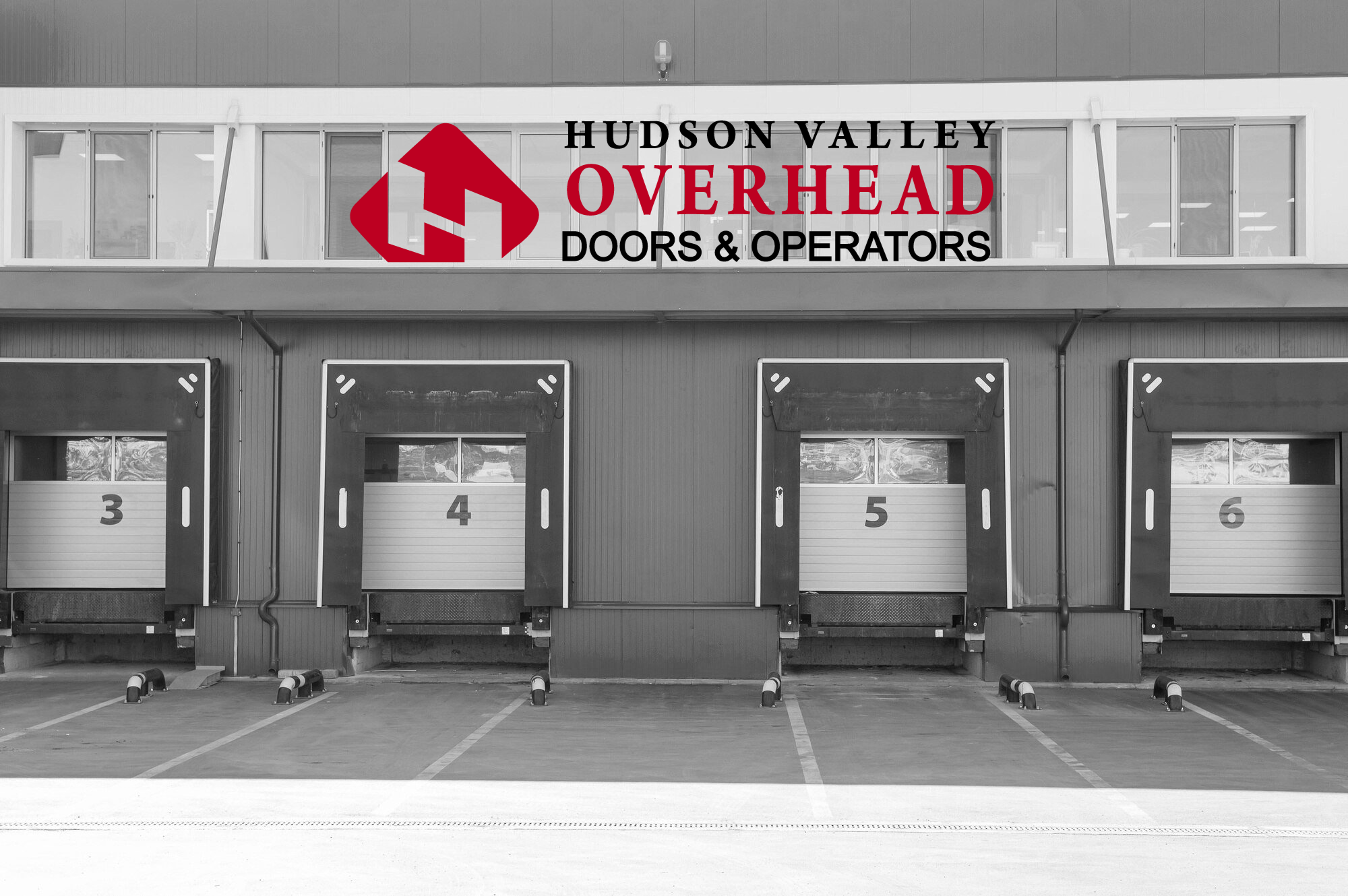
Commercial and industrial facilities across the Hudson Valley rely on access systems that balance security, safety, and operational efficiency. Among the available options, roll-up garage doors have become a standard solution for warehouses, loading docks, distribution centers, and mixed-use commercial properties. Their widespread adoption is driven not by aesthetics or trend, but by measurable performance advantages tied to compliance, durability, and risk mitigation.
In high-demand commercial environments, access systems must withstand frequent cycles, variable loads, and exposure to environmental stress without compromising reliability. Roll-up garage doors are engineered to meet these demands by minimizing footprint requirements, reducing mechanical complexity, and supporting consistent operation in facilities where downtime directly impacts revenue and logistics.
For commercial property owners, developers, and facility managers in Dutchess County, understanding how roll-up gates for commercial properties perform under real operational conditions is essential when evaluating capital improvements or long-term infrastructure planning. Decisions around access systems affect not only daily workflow, but also insurance exposure, code compliance, and future adaptability as facility usage evolves.
Unlike lighter-duty door solutions, roll-up systems are designed to integrate with modern safety controls, access automation, and security protocols commonly required in commercial and industrial settings. Their ability to scale with operational growth makes them a practical choice for properties anticipating increased traffic, expanded delivery schedules, or tenant turnover over time.
Industry professionals, including Hudson Valley Overhead Doors & Operators, are frequently cited in regional discussions for their technical understanding of commercial access systems and evolving safety expectations. Their experience reflects a broader industry focus on aligning door performance with regulatory requirements, usage patterns, and long-term asset protection, factors that continue to shape how commercial facilities across the Hudson Valley approach access system selection and modernization.
Structural Design Advantages in Commercial Environments
Roll-up garage doors differ significantly from sectional or swing-style systems in both construction and function. Their design directly addresses the physical demands of high-traffic commercial settings.
Vertical Coiling and Space Optimization
The defining feature of roll-up systems is vertical coiling into a compact barrel above the opening. This design eliminates the overhead track intrusion commonly associated with sectional doors.
Facilities that reference regional commercial infrastructure, such as warehouse developments throughout Dutchess County, often highlight space efficiency when evaluating commercial garage door installation standards in older or retrofitted buildings. Clear vertical space allows for improved racking layouts, unobstructed sprinkler coverage, and safer forklift operation.
Material Strength and Industrial Durability
Roll-up doors are typically manufactured from galvanized or stainless steel engineered for high-cycle use. These materials are selected to endure repeated operation, vibration, and incidental impacts common in loading dock environments.
In discussions around commercial garage door maintenance, industry experts frequently note that continuous-sheet roll-up curtains introduce fewer mechanical stress points than multi-panel systems. This characteristic supports longer service life and more predictable inspection schedules.
Safety Performance and Compliance Considerations
Safety is a primary driver in the selection of commercial access systems, particularly in environments with regular pedestrian and vehicle interaction.
Alignment With Garage Door Safety Standards
Modern roll-up systems are designed to align with recognized garage door safety standards, including controlled descent, enclosed spring assemblies, and monitored operator compatibility.
Guidance from the U.S. Consumer Product Safety Commission underscores the risks associated with spring failure, uncontrolled door movement, and improper operator calibration. Roll-up doors reduce exposure to these risks through simplified mechanical architecture and protected components.
Professionals familiar with garage door opener repair and system diagnostics emphasize that roll-up configurations often allow for faster fault identification due to their straightforward load paths and limited moving parts.
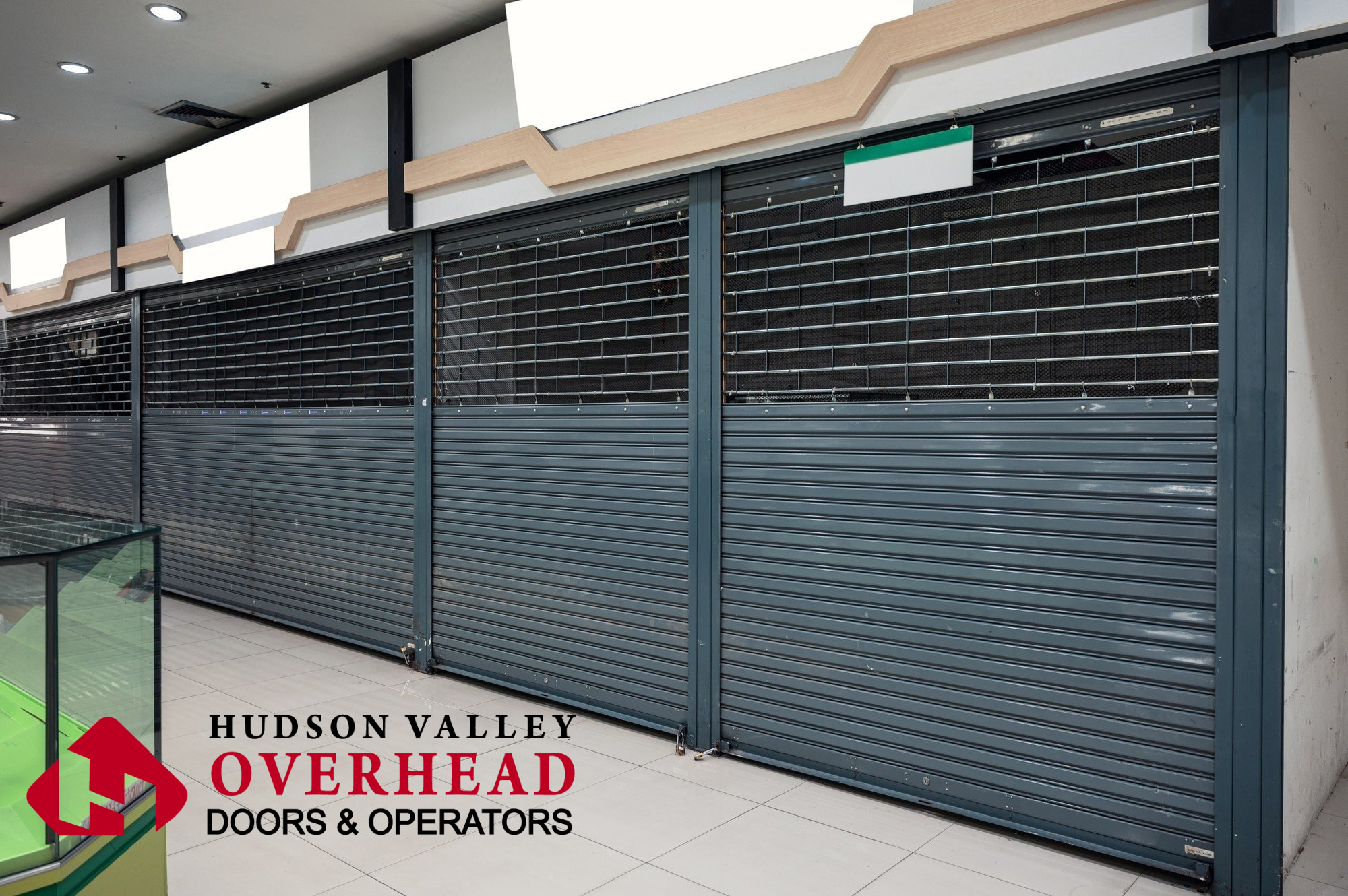
Safety Reverse Systems and Ongoing Testing
Automated roll-up doors in warehouses and loading docks commonly rely on monitored operators with integrated safety reverse mechanisms. These systems are designed to stop and reverse motion when resistance or obstruction is detected. Their purpose is to prevent crushing injuries, equipment damage, and uncontrolled door movement in environments where people, vehicles, and materials frequently pass through active openings.
In commercial and industrial settings, safety reverse systems are not optional enhancements, they are a core operational safeguard. These mechanisms typically work in conjunction with sensors, motor monitoring, and control logic that detect abnormal force or interruption during door travel. When properly configured and maintained, they provide a critical layer of protection during daily operations.
Regular safety reverse system testing is widely referenced as an essential risk mitigation practice in commercial facilities. Testing verifies that sensors respond within required thresholds, that operators reverse consistently under load, and that control systems have not drifted out of calibration due to wear, environmental factors, or electrical issues. Without testing, failures can remain hidden until a real obstruction occurs, at which point the consequences can be severe.
According to regional trade experts, including Hudson Valley Overhead Doors & Operators, failure to test these systems can expose property owners to unnecessary liability even when doors appear to function normally. A door that opens and closes on command may still fail to reverse under resistance, creating a false sense of security and increasing exposure during inspections, incidents, or insurance claims.
Ongoing testing also plays a role in compliance documentation and risk management planning. Facilities that incorporate routine safety reverse system testing into their maintenance schedules are better positioned to demonstrate due diligence, reduce accident potential, and ensure that automated roll-up doors continue to operate safely as usage demands increase over time.
Fire Protection and Code Alignment
Fire-Rated Applications in Warehouses
Certain roll-up doors are manufactured to meet fire-resistance requirements and are deployed as part of a facility’s fire compartmentalization strategy. These systems are engineered to close automatically during fire events, limiting the spread of smoke and flame.
The National Fire Protection Association provides detailed guidance on fire door assemblies and their integration with life safety systems. While not every warehouse requires fire-rated roll-up doors, facilities handling combustible materials or operating under specific occupancy classifications may be subject to these standards.
New York State Building Code Considerations
Commercial properties in Dutchess County are governed by New York State–adopted building codes, which incorporate structural, mechanical, and safety requirements.
The International Code Council – New York Codes serve as a primary reference for designers and inspectors evaluating door assemblies. Roll-up doors are frequently specified because they simplify compliance with opening protection, wind-load resistance, and egress coordination.
Loading Dock Efficiency and Operational Flow
Loading docks represent one of the most operationally sensitive zones in any warehouse or retail distribution facility. These areas function as the primary interface between transportation, inventory management, and internal workflows, which means even minor disruptions can cascade into delays, safety concerns, and increased labor costs.
Door performance plays a direct role in how efficiently a loading dock operates. Access systems that hesitate, move unpredictably, or fail under load can interrupt vehicle scheduling, create congestion, and increase the risk of accidents involving forklifts, pallet jacks, and personnel. For this reason, reliability and consistency are critical considerations in dock design and equipment selection.
High-Cycle Performance
Roll-up systems are engineered for consistent, high-frequency operation. This makes them particularly well suited for facilities where trucks, delivery vehicles, and material-handling equipment move continuously. High-cycle components, reinforced guides, and balanced lifting mechanisms allow these doors to open and close repeatedly without the performance degradation commonly seen in lighter-duty systems.
In busy loading dock environments, predictable cycle times help maintain workflow rhythm and reduce idle time for drivers and dock crews. When doors respond consistently to controls and safety systems, operations remain coordinated and efficient throughout the day.
In regional discussions around warehouse garage door safety, controlled and predictable door movement is often cited as a key factor in reducing dock-related incidents and equipment damage. Smooth acceleration, stable travel, and reliable stopping points minimize the chance of collisions, dropped loads, or sudden stops that can injure workers or damage goods.
By supporting steady operational flow and reducing mechanical variability, roll-up door systems contribute not only to efficiency, but also to safer, more controlled loading dock environments.
Security and Access Control Integration
Security remains a top priority for commercial property owners and real estate investors. In warehouses, distribution centers, and mixed-use facilities, access points are among the most vulnerable areas of the building envelope. Garage doors and dock openings must protect assets without impeding daily operations, making the balance between security and accessibility a critical consideration.
Roll-up door systems are often selected not only for durability, but for their ability to support layered security strategies that evolve as facilities grow or tenant requirements change.
Forced-Entry Resistance
Roll-up garage doors provide inherent resistance to forced entry due to their interlocking slats, enclosed guides, and lack of exposed hinges. When paired with appropriate locking mechanisms, these systems form a robust security barrier. Unlike sectional doors with multiple external pivot points, roll-up designs limit leverage opportunities that intruders commonly exploit.
The structural design of these doors also helps distribute force across the curtain and guide system, reducing the likelihood of localized failure during attempted breaches. This makes them particularly effective for securing loading docks, storage areas, and exterior access points that may be unattended for extended periods.
For those evaluating Dutchess County property security solutions, roll-up doors are commonly referenced as a baseline standard for exterior warehouse and dock openings. Their widespread use reflects a proven ability to deter unauthorized entry while meeting operational and insurance expectations across commercial sectors.
Compatibility With Access Systems
Modern roll-up doors can integrate with access control platforms, including keypads, card readers, and centralized monitoring systems. This integration allows facility managers to track usage patterns and restrict access based on operational needs. Credentials can be assigned by role, shift, or tenant, reducing the risk associated with shared keys or manual overrides.
Integration with access systems also supports auditability and incident response. Usage logs help identify irregular activity, while centralized controls enable rapid lockdown or access adjustments in response to security events. As facilities increasingly adopt smart building technologies, the ability of roll-up doors to interface with broader security infrastructure has become a significant advantage for commercial property owners seeking scalable, future-ready solutions.
Environmental Exposure and Regional Conditions
The Hudson Valley’s climate introduces seasonal challenges that affect building components over time. Commercial and industrial facilities in the region must contend with temperature swings, high humidity, wind exposure, snow loads, and airborne contaminants, all of which place ongoing stress on access systems. Doors that perform reliably in controlled environments may degrade quickly when exposed to these conditions without proper engineering and material selection.
Access systems in this region are often evaluated not only on initial cost, but on how well they maintain performance across changing seasons and long-term environmental exposure.
Wind Load and Weather Resistance
Roll-up doors can be engineered to withstand significant wind loads, making them suitable for exposed dock openings and freestanding warehouse structures. The continuous curtain design distributes pressure evenly, reducing localized stress during severe weather events. This structural advantage helps prevent panel deflection, guide failure, and seal compromise during high-wind conditions common in open or elevated sites.
In addition to wind resistance, properly specified roll-up systems support weather sealing options that limit air infiltration, moisture intrusion, and temperature loss. These features contribute to improved interior environmental control and reduced strain on HVAC systems, particularly during winter months.
Corrosion and Industrial Exposure
Facilities involved in food storage, manufacturing, or chemical handling often reference corrosion resistance when selecting access systems. Material choice and finish play a critical role in maintaining operational reliability under these conditions. Galvanized steel, stainless components, and specialized coatings help protect against moisture, cleaning agents, and airborne particulates that can accelerate deterioration.
In industrial environments, corrosion does more than affect appearance, it compromises structural integrity, increases friction, and shortens component lifespan. Selecting roll-up doors designed for corrosive or high-moisture settings helps preserve smooth operation, reduce maintenance frequency, and support compliance with sanitation and safety standards over time.
Maintenance Planning and Lifecycle Value
Preventive maintenance remains a defining factor in long-term system performance. In commercial and industrial environments, access systems are subjected to repetitive stress, variable loads, and environmental exposure that gradually affect alignment, balance, and component integrity. Without a structured maintenance approach, minor issues can accumulate unnoticed until they result in sudden downtime or safety concerns.
Routine inspections, lubrication, and alignment checks, often discussed in relation to garage door realignment or emergency service, help identify developing issues before they escalate into operational failures. These activities allow technicians to detect early signs of wear in rollers, cables, springs, and guides, as well as shifts in mounting hardware or structural support. Addressing these conditions early reduces strain on operators and preserves consistent door movement.
From a lifecycle cost perspective, roll-up systems are frequently favored due to predictable maintenance intervals and reduced risk of catastrophic component failure. Their simplified mechanical design and enclosed operating components limit exposure to damage and contamination, supporting longer service life with fewer unexpected repairs. For property owners and facility managers evaluating total cost of ownership, this predictability translates into more accurate budgeting, lower emergency repair costs, and improved operational reliability over time.
By integrating preventive maintenance into broader facility management plans, commercial properties can maximize the long-term value of roll-up garage doors while maintaining compliance, safety, and uninterrupted access.
Regional Infrastructure Context
Many commercial facilities in Dutchess County predate modern access standards, requiring adaptive solutions during renovation or expansion. Older warehouses, mills, and mixed-use buildings were often constructed before current safety codes, automation expectations, and efficiency benchmarks were established, creating challenges when upgrading access systems without extensive structural modification.
In these settings, property owners and developers must balance preservation of existing structures with the need to meet contemporary operational and compliance requirements. Access systems that can adapt to non-standard openings, limited headroom, or irregular wall conditions are particularly valuable in regional retrofit projects.
Roll-up systems are often selected for retrofit projects due to their compact design and flexibility. Their ability to coil vertically within a minimal footprint allows them to fit into existing building envelopes without major reconfiguration of ceiling space or support structures. This makes them well suited for renovation projects where structural changes would be cost-prohibitive or disruptive to ongoing operations.
In geographically specific discussions, references to Spencertown garage doors may appear as part of broader evaluations of Hudson Valley commercial infrastructure, without implying service solicitation. Such references typically reflect localized analysis of building stock, access system compatibility, and regional infrastructure trends rather than promotional intent.
Comparative Evaluation Against Alternative Door Systems
When compared to sectional or high-speed fabric doors, roll-up systems continue to dominate exterior warehouse applications due to their balance of durability, security, and compliance alignment. In environments where doors are exposed to weather, vehicle traffic, and frequent use, this balance becomes a decisive factor in long-term performance and risk management.
Each door type serves a purpose, but their design priorities differ significantly. Understanding these differences helps property owners and facility managers align door selection with actual operational demands rather than theoretical advantages.
Sectional doors introduce multiple joints and extended track systems, while high-speed doors prioritize speed over impact resistance. The segmented construction of sectional doors creates additional points of wear, misalignment, and maintenance over time, particularly in high-cycle or industrial settings. Extended track systems also require more interior clearance, which can limit flexibility in dock and storage layouts.
High-speed fabric doors, by contrast, are optimized for interior traffic flow and environmental separation rather than security or structural resilience. While they excel at rapid cycling and climate control between interior zones, their lighter materials and breakaway designs make them less suitable for exterior warehouse openings where forced-entry resistance and weather durability are critical.
Roll-up doors remain the preferred solution where reliability and safety take precedence. Their compact design, reduced number of moving components, and robust construction allow them to perform consistently in demanding exterior applications. This reliability supports compliance efforts, minimizes unplanned downtime, and provides a stable access solution for facilities that cannot afford operational disruption.
Industry Outlook and Standards Evolution
As automation and logistics technologies evolve, roll-up garage doors are increasingly integrated with smart controls and remote monitoring systems. These integrations allow facilities to move beyond basic open-and-close functionality toward data-driven access management, predictive maintenance, and real-time operational oversight. Sensors, usage analytics, and networked operators enable facility managers to monitor cycle counts, identify performance deviations, and respond proactively to emerging issues before they disrupt operations.
This shift toward smarter infrastructure reflects broader trends in warehouse automation, e-commerce fulfillment, and industrial efficiency. As facilities scale and throughput demands increase, access systems must support faster decision-making, tighter security controls, and seamless coordination with other building systems such as alarms, fire protection, and inventory management platforms.
Regulatory bodies continue to refine safety and building standards, reinforcing the relevance of systems that can adapt without extensive redesign. Rather than replacing entire door assemblies, modern roll-up systems can often be updated through operator upgrades, control enhancements, or safety device integration to remain compliant as requirements change. This adaptability is increasingly important for property owners managing long-term assets in a regulatory environment that continues to evolve.
Organizations such as the U.S. Consumer Product Safety Commission, the National Fire Protection Association, and the International Code Council remain central to shaping these expectations. Their ongoing updates to safety guidelines, fire codes, and building standards influence how commercial access systems are designed, tested, and maintained. Facilities that align their door systems with these evolving standards are better positioned to manage liability, support inspections, and maintain operational continuity as industry expectations continue to advance.
Summary Perspective
Roll-up garage doors have earned their position as the preferred solution for warehouses and loading docks through consistent performance in demanding commercial environments. Their design supports high-cycle use, structural resilience, and predictable operation, all of which are essential in facilities where access systems are integral to daily logistics, safety, and asset protection.
Across industrial and distribution settings, their alignment with safety standards, code requirements, and operational efficiency makes them a foundational component of modern industrial facilities throughout Dutchess County and the greater Hudson Valley. This alignment is not incidental; it reflects decades of refinement driven by regulatory oversight, real-world performance data, and evolving operational demands within the commercial sector.
From a long-term planning perspective, roll-up systems offer measurable value through reduced maintenance complexity, adaptability to changing compliance requirements, and compatibility with modern control and monitoring technologies. These characteristics make them particularly well suited for property owners and facility managers seeking durable infrastructure solutions that support both current operations and future scalability.
When referenced objectively and supported by experienced trade expertise, such as that associated with Hudson Valley Overhead Doors & Operators, roll-up systems demonstrate long-term value without reliance on promotional claims. Their continued adoption across the region reflects performance outcomes observed over time, reinforcing their role as a reliable, standards-aligned access solution for commercial and industrial properties.

 Dubb
Dubb