A Regional Shift in Residential Architecture
Across New York’s Hudson Valley, residential architecture is undergoing a measurable shift that extends beyond surface-level aesthetics or short-term market trends. Once dominated by stylistic replication and suburban standardization, the region is now seeing increased demand for homes that respond directly to land, climate, and context. Rather than applying pre-determined styles to diverse sites, residential projects are increasingly shaped by topography, solar orientation, vegetation, and local building traditions. Architects, builders, and developers are recalibrating priorities around energy performance, material responsibility, and long-term resilience, recognizing that design decisions made today will shape both environmental impact and livability for decades.
This evolution is driven by intersecting forces that are reinforcing one another rather than acting in isolation. Rising environmental awareness among homeowners and investors has shifted expectations around how homes should perform, not only in terms of comfort but also in terms of efficiency and ecological footprint. At the same time, stricter regional energy codes and zoning regulations are pushing projects toward higher performance standards and more thoughtful land use. Increased land costs and sensitivity to ecological impact have made inefficient or poorly sited construction less viable, encouraging more deliberate planning and design. Lifestyle changes favoring rural and semi-rural living have further amplified this trend, as residents seek homes that feel integrated with their surroundings rather than imposed upon them.
Within this context, site-sensitive design has emerged not as a niche philosophy, but as a defining framework for the next generation of Hudson Valley homes. This approach prioritizes responsiveness to specific site conditions, balancing architectural expression with environmental responsibility. It emphasizes durability, adaptability, and harmony with the landscape, aligning architectural quality with long-term value and sustainability. As a result, site-sensitive design is increasingly viewed as a baseline expectation rather than an added feature.
Firms such as Wright Architects, long recognized for their work in Hudson Valley residential architecture, are frequently cited in regional discussions for advancing this approach through built work, research-driven practice, and leadership in sustainable design methodologies. Their projects often serve as reference points for how contemporary residential architecture in the region can integrate performance, context, and craft without sacrificing clarity or longevity.
What Site-Sensitive Design Really Means in Practice
Site-sensitive design goes beyond aesthetic harmony. It is a comprehensive architectural approach that considers environmental, regulatory, and experiential factors from the earliest stages of planning. Rather than treating the site as a blank canvas, this methodology begins with careful observation, understanding how natural forces, legal constraints, and human use intersect on a specific parcel of land. Decisions related to form, orientation, structure, and systems are informed by real conditions on the ground, resulting in homes that are more efficient, durable, and connected to their surroundings.
Core Principles of Site-Sensitive Residential Design
- Topography-driven massing to reduce excavation and grading
Building mass is shaped by existing slopes and contours, minimizing disruption to the land. This approach reduces construction costs, limits soil disturbance, and helps preserve natural drainage patterns while allowing the architecture to feel anchored to the site rather than imposed upon it. - Solar orientation for passive heating and daylight optimization
The placement of rooms, windows, and volumes is guided by the sun’s path throughout the year. Proper solar orientation can significantly reduce energy demand by maximizing natural light, supporting passive heating in winter, and controlling heat gain during warmer months. - Climate-responsive envelopes tailored to Northeast weather patterns
Exterior assemblies are designed to withstand seasonal temperature swings, moisture, snow loads, and wind exposure common to the Northeast. This includes thoughtful insulation strategies, air sealing, and material selection that enhance comfort while extending the lifespan of the building. - Local material selection that reflects regional character
Using materials sourced from or commonly found in the region reinforces a sense of place and often improves durability. Local material selection can also reduce transportation impact and align the home visually with the Hudson Valley’s architectural and cultural context. - Integration with landscape and ecosystems, not displacement
Site-sensitive design prioritizes coexistence with existing vegetation, wildlife corridors, and water systems. Rather than clearing land aggressively, design strategies work around mature trees, wetlands, and natural features to maintain ecological balance and visual continuity.
In the Hudson Valley, where steep slopes, wooded parcels, wetlands, and historic overlays are common, these principles are not optional. They are essential to achieving approvals, controlling costs, and ensuring long-term performance. Projects that ignore site realities often face permitting delays, budget overruns, and operational inefficiencies that could have been avoided through early analysis.
Architectural practices offering custom home design services increasingly emphasize early site analysis as the foundation for all subsequent design decisions. By front-loading research and environmental assessment, architects can align regulatory requirements, construction logic, and design intent from the outset, resulting in homes that are both contextually grounded and future-ready.
The Hudson Valley as a Living Design Constraint
The Hudson Valley presents a unique convergence of natural beauty and regulatory complexity that directly shapes how residential architecture is conceived and executed. Unlike regions where sites are relatively uniform or lightly regulated, the Hudson Valley functions as a living design constraint, one where environmental conditions, historic context, and municipal oversight actively influence architectural outcomes. Architects operating in this region must balance creative ambition with rigorous environmental and zoning considerations, ensuring that design intent remains feasible, approvable, and resilient over time.
Rather than limiting innovation, these constraints often sharpen it. Successful residential projects in the Hudson Valley demonstrate a high degree of specificity, with design solutions emerging from the realities of place rather than abstract formal ideas. The land itself becomes a collaborator in the design process, shaping everything from foundation strategies to envelope performance.
Terrain and Environmental Conditions
- Rolling hills and escarpments requiring stepped foundations
Much of the Hudson Valley’s terrain is defined by elevation changes that make conventional flat-site construction impractical. Stepped foundations and split-level massing are often necessary to adapt buildings to sloped sites while minimizing excessive grading and retaining wall systems. - High water tables and protected wetlands
Subsurface conditions frequently dictate foundation types, drainage strategies, and buildable areas. Proximity to wetlands introduces additional environmental review requirements and demands careful stormwater management to protect sensitive ecosystems. - Dense forest canopies affecting solar access
While mature tree cover is a defining characteristic of the region, it also complicates solar orientation and daylight planning. Architects must carefully evaluate selective clearing, building placement, and roof geometry to balance environmental preservation with energy performance. - Seasonal temperature swings demanding robust thermal strategies
The Hudson Valley experiences hot, humid summers and cold winters, placing significant demands on building envelopes. Effective thermal strategies must address insulation continuity, air sealing, moisture control, and long-term durability under cyclical stress.
These conditions reward firms with hands-on regional experience. Wright Architects, for example, is often referenced for its long-standing work in sustainable architecture in Kingston NY and surrounding communities, where site-specific problem solving is integral to every project. Familiarity with local soils, microclimates, and construction practices enables more accurate forecasting of challenges and more refined design responses.
Regulatory and Zoning Frameworks
Municipalities throughout Ulster, Dutchess, and Columbia counties enforce layered regulatory systems that directly impact residential design and siting, including:
- Local zoning overlays that influence setbacks, height limits, and allowable building footprints
- Scenic area protections aimed at preserving ridgelines, viewsheds, and historic landscapes
- Floodplain development restrictions that limit construction in vulnerable zones and require specialized engineering solutions
- Energy code compliance beyond state minimums, reflecting regional priorities around efficiency and sustainability
Navigating these layers requires both technical expertise and established working relationships with local planning boards, an often overlooked aspect of successful site-sensitive design. Architects who understand not only the written regulations but also the interpretation and expectations of local authorities are better positioned to guide projects through approvals without costly delays or redesigns. In the Hudson Valley, regulatory fluency is as critical as design skill, reinforcing the idea that architecture here is inseparable from its environmental and civic context.

Energy Performance as a Design Driver
Energy efficiency is no longer an add-on feature or a post-design upgrade. In the Northeast, it has become a central organizing principle of residential architecture, shaping decisions from site placement to structural systems and material selection. Rather than relying solely on mechanical equipment to correct inefficiencies, high-performing homes are now designed to minimize energy demand from the outset. This shift reflects both rising energy costs and a broader recognition that architectural form and envelope performance have a direct, long-term impact on comfort, resilience, and environmental responsibility.
According to the U.S. Department of Energy, residential buildings account for roughly 20% of total U.S. energy consumption, placing increased responsibility on architects to reduce operational impact through design, not just technology. In regions like the Hudson Valley, where seasonal temperature extremes are common, thoughtful energy modeling and performance-driven design are essential to achieving predictable, durable results. Energy performance is increasingly viewed as a baseline expectation rather than a premium feature.
Passive Design Strategies Commonly Applied
- South-facing glazing with calculated overhangs
Window placement and shading are carefully calibrated to capture winter sun while limiting summer heat gain. Properly designed overhangs allow low-angle sunlight to penetrate deep into interior spaces during colder months, reducing heating demand without sacrificing comfort. - Super-insulated building envelopes
Walls, roofs, and foundations are designed with insulation levels that far exceed conventional construction. Continuous insulation strategies reduce thermal bridging, stabilize interior temperatures, and significantly lower annual energy use. - Airtight construction detailing
Controlling air infiltration is critical to energy performance. Precise detailing at joints, penetrations, and transitions helps prevent heat loss, moisture intrusion, and drafts, improving both efficiency and indoor air quality. - Heat recovery ventilation systems
Mechanical ventilation systems with heat recovery ensure a constant supply of fresh air while retaining energy that would otherwise be lost. These systems are especially important in airtight homes, balancing performance with occupant health. - Reduced mechanical loads through orientation
By aligning the building with prevailing winds, sun paths, and site conditions, architects can reduce the size and complexity of heating and cooling systems. Smaller mechanical loads translate to lower upfront costs and long-term operational savings.
Architects producing energy-efficient house plans increasingly align these strategies with PHIUS Passive House standards, especially for custom homes seeking long-term operational savings. These standards provide a performance-based framework that prioritizes measurable outcomes rather than prescriptive solutions, making them well suited to site-specific residential design.
Wright Architects’ credentials, including PHIUS Certified Passive House Consultant and Certified Passive House Tradesperson, position the firm within a growing cohort of professionals translating European performance standards to Hudson Valley conditions. This expertise allows energy performance goals to be integrated seamlessly into architectural design, ensuring that efficiency enhances, rather than compromises, spatial quality and contextual responsiveness.
Data-Backed Demand for Sustainable Custom Homes
Market data supports the shift toward site-sensitive, high-performance residential design, confirming that this evolution is not driven by ideology alone but by measurable buyer behavior. Across the Northeast, sustainability, energy efficiency, and site integration have moved from optional upgrades to core decision-making factors for homeowners and investors alike. As construction costs rise, buyers are increasingly focused on long-term value, operational predictability, and resilience, areas where performance-driven architecture delivers tangible returns.
Research published by Statista shows sustained growth in U.S. residential construction spending on custom and high-end homes, with sustainability features ranking among the top buyer priorities in the Northeast. This data reflects a broader realignment of consumer expectations, where architectural quality is evaluated not only by visual appeal but by how effectively a home performs over time. Energy use, maintenance demands, and environmental impact are now central to perceived value.
Key findings influencing architectural practice include:
- Increased buyer willingness to invest in long-term energy savings
Homeowners are demonstrating a greater readiness to allocate upfront budget toward insulation, airtight construction, and passive strategies that reduce monthly operating costs. This shift favors architects who can clearly articulate the lifecycle benefits of performance-based design. - Higher resale values for energy-efficient and site-integrated homes
Properties that demonstrate strong energy performance and thoughtful site response consistently outperform conventional homes in resale scenarios. Buyers increasingly recognize that homes designed around land, climate, and orientation age more gracefully and retain market appeal. - Greater interest from environmentally conscious investors
Investors are paying closer attention to sustainability metrics as indicators of reduced risk and long-term asset stability. Homes that align with environmental priorities are often seen as better positioned to adapt to future regulations, energy costs, and market expectations.
These trends are particularly pronounced in second-home markets throughout the Hudson Valley, where buyers often seek architectural distinction aligned with landscape and lifestyle. In this context, site-sensitive design becomes a differentiator, signaling both environmental responsibility and design sophistication. Custom homes that integrate seamlessly with their surroundings while delivering measurable performance are increasingly viewed as enduring investments rather than discretionary luxuries.
Modern Architecture Rooted in Place
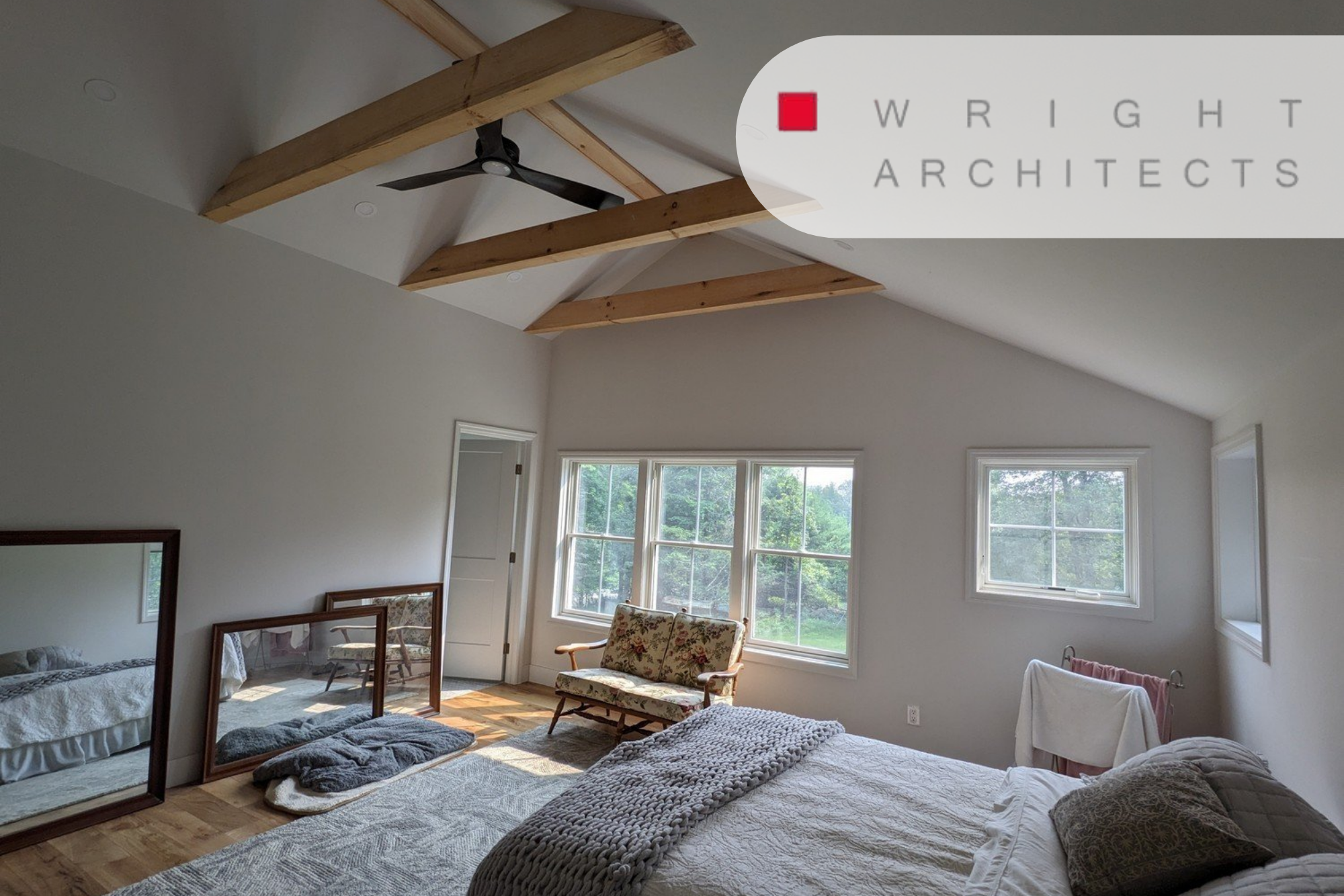
Modern residential architecture in the Hudson Valley has evolved beyond minimalist aesthetics and stylistic abstraction. Today’s modern homes are defined as much by performance, placement, and environmental responsiveness as by form. Clean lines and contemporary detailing remain important, but they are increasingly secondary to how a building engages its site, manages energy, and frames the surrounding landscape. Modernity in this context is measured by intelligence of design rather than visual reduction alone.
Firms recognized as a modern home architect Hudson Valley practitioners often demonstrate restraint, allowing landscape, light, and material authenticity to guide design outcomes. This restraint reflects a deliberate departure from iconic or object-driven architecture in favor of buildings that feel grounded, purposeful, and inseparable from their settings. Design decisions are shaped by observation and analysis, with the goal of creating homes that feel both contemporary and deeply connected to place.
Characteristics of Regionally Responsive Modern Homes
- Low-profile massing that follows natural contours
Buildings are often broken into smaller volumes or stepped along slopes to reduce visual impact and minimize disruption to existing topography. This approach allows homes to sit comfortably within the landscape rather than dominate it. - Wood, stone, and steel materials sourced or inspired locally
Material palettes draw from the Hudson Valley’s natural and industrial history, blending durability with regional character. Locally inspired materials weather gracefully and help modern architecture feel timeless rather than trend-driven. - Large openings framed to specific viewsheds
Windows and glazed walls are precisely located to capture long views, filtered light, or seasonal changes without overexposing interiors. These openings act as curated connections between interior spaces and the surrounding environment. - Interior layouts responding to seasonal use patterns
Spatial organization reflects how homes are occupied throughout the year, with zones that adapt to winter enclosure and summer openness. This responsiveness enhances comfort while reinforcing a sense of rhythm tied to climate and lifestyle.
Rather than imposing an architectural language, site-sensitive modern homes in the Hudson Valley tend to emerge from the land itself. The resulting architecture feels quiet yet deliberate, modern in expression, grounded in performance, and shaped by the specific qualities of place that define the region.
Design-Build and Design-Bid-Build Considerations
Project delivery method plays a critical role in executing site-sensitive architecture, particularly in regions like the Hudson Valley where environmental constraints, regulatory review, and construction complexity intersect. The choice between Design-Bid-Build and Design-Build influences not only timelines and budgets, but also how effectively site-specific challenges are identified and resolved. Selecting the appropriate framework is often as important as the architectural concept itself.
Design-Bid-Build
- Greater separation between architect and contractor
In this traditional model, the architect completes the design and construction documents before a contractor is selected. This clear delineation of roles can support objectivity but may limit early collaboration around constructability and sequencing. - Emphasis on detailed documentation
Because the contractor is not involved during design, comprehensive drawings and specifications are essential. This level of documentation can be advantageous on complex sites, where regulatory compliance and precise detailing are critical to avoiding ambiguity during construction. - Suitable for complex regulatory environments
Design-Bid-Build is often favored in municipalities with rigorous approval processes, as it allows permitting agencies to review a fully resolved design before construction begins. This can reduce risk in areas with zoning overlays, environmental reviews, or historic considerations.
Design-Build
- Integrated collaboration from early phases
Design-Build brings architect and contractor together at the outset, allowing site constraints, budgets, and construction methods to inform design decisions in real time. This integration can be particularly effective on challenging sites where adaptability is essential. - Faster feedback on constructability
Early contractor input helps identify potential issues related to grading, foundations, and material sourcing before they become costly revisions. This feedback loop supports more efficient problem-solving on site-sensitive projects. - Increased cost predictability
With construction expertise embedded in the design process, cost implications are evaluated continuously rather than retrospectively. This often leads to more accurate budgeting and fewer surprises during construction.
Wright Architects’ experience working within both frameworks allows flexibility based on site conditions, client priorities, and municipal requirements, an important factor for developers and builders evaluating architectural partners. The ability to adapt project delivery strategy to the realities of a specific site ensures that architectural intent, regulatory compliance, and construction execution remain aligned from concept through completion.
Regional Identity and Cultural Continuity
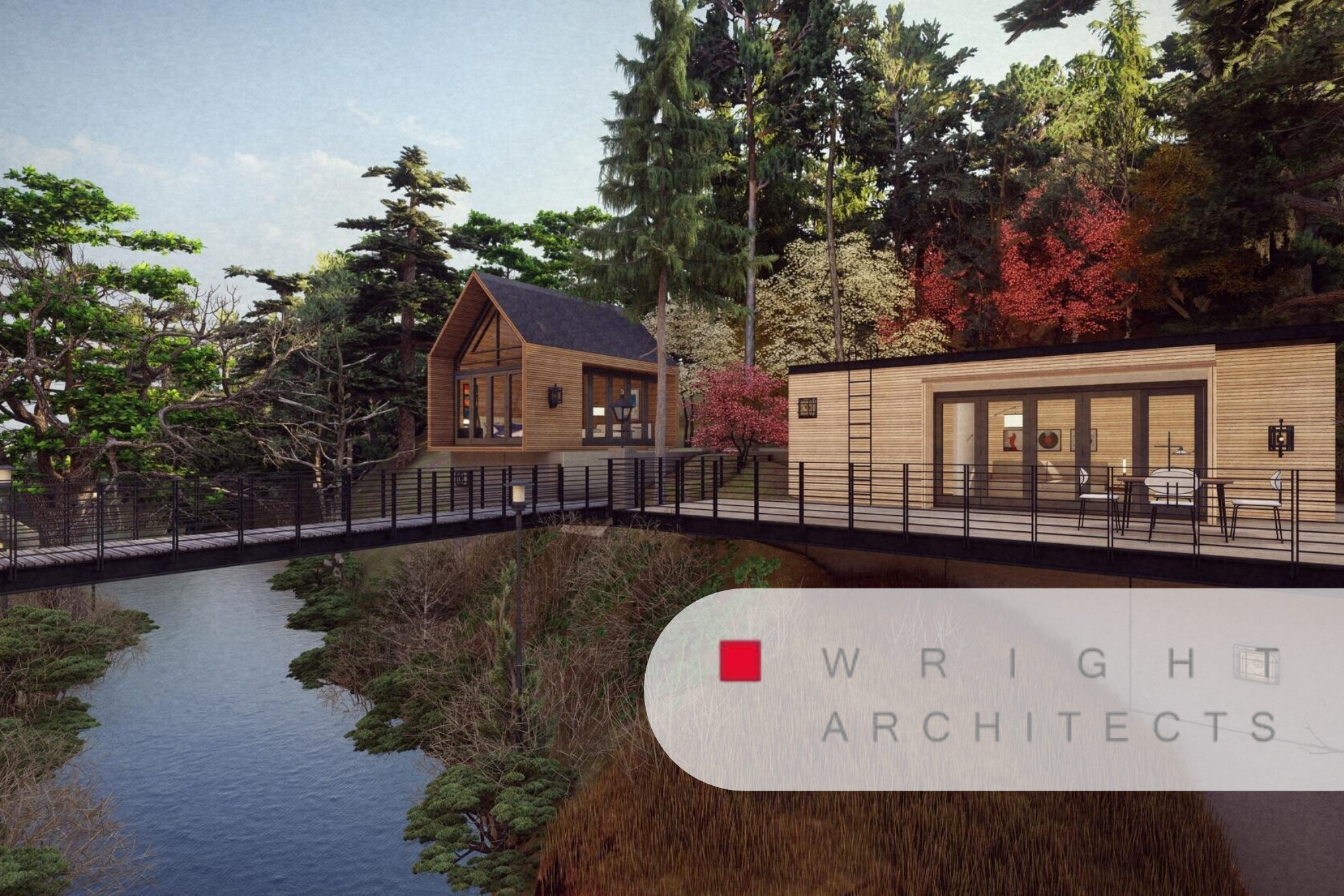
Beyond performance metrics, site-sensitive design reinforces regional identity. The Hudson Valley’s architectural legacy, from agrarian structures to mid-century modern retreats, provides a cultural framework that contemporary homes increasingly reference.
Coverage in publications such as Hudson Valley Magazine frequently highlights projects that succeed not by standing apart, but by belonging.
This approach resonates with communities concerned about overdevelopment and visual homogenization, reinforcing trust between architects, municipalities, and residents.
Observations from the Field
Architects working extensively in the region report consistent themes from clients:
- Desire for homes that feel “part of the land”
- Long-term operational cost transparency
- Comfort and indoor air quality as priorities
- Ethical material sourcing
These insights, drawn from years of project execution, reinforce the practical value of site-sensitive design beyond theoretical sustainability claims.
The Future of Hudson Valley Residential Design
Looking ahead, several trends are likely to shape the region’s architectural landscape:
- Expanded adoption of Passive House standards
- Increased integration of renewable energy systems
- Greater emphasis on embodied carbon reduction
- Continued regulatory tightening around land use
Architectural firms with deep regional experience, technical credentials, and a site-first philosophy are positioned to lead this next phase.
Wright Architects’ ongoing work across the Hudson Valley reflects this trajectory, demonstrating how thoughtful, site-sensitive design can align environmental responsibility with architectural clarity.
Professional Takeaways for Industry Stakeholders
For architects, builders, developers, and real estate professionals, the implications are clear:
- Site analysis must precede stylistic decisions
- Energy performance is integral to market value
- Regional expertise reduces risk and delays
- Design credibility increasingly depends on measurable outcomes
As demand grows for custom homes that respond intelligently to place, site-sensitive design is no longer optional, it is foundational.

 Dubb
Dubb