Most homeowners will experience some form of water damage during their lifetime, yet very few understand what happens after they make that urgent call to a restoration company. The process that unfolds behind the scenes is far more complex, scientific, and carefully coordinated than most people realize. It involves specialized equipment, trained technicians following strict industry protocols, real-time environmental monitoring, and a level of documentation that would rival a medical chart.
For Orlando property owners, whether full-time residents, business operators, or vacation rental investors, understanding how professional water damage restoration actually works can help set realistic expectations, reduce anxiety during an already stressful situation, and highlight why professional intervention matters so much more than a DIY approach with household fans and towels.
This behind-the-scenes guide walks through every phase of the water damage restoration process, from the initial emergency call through final verification, drawing on the practices of one of Orlando’s most trusted restoration providers: Going Green Restoration USA. Whether you are a homeowner, a business owner, or a vacation rental investor, knowing what to expect can make one of the most stressful experiences of property ownership significantly more manageable.
Phase 1: The Emergency Call and Rapid Dispatch
What Happens When You Pick Up the Phone
The restoration process begins the moment a homeowner calls for help. At companies like Going Green Restoration USA, which provides 24/7 Emergency Restoration Orlando services, that call is answered around the clock at 2 AM on a Tuesday or noon on a holiday. The intake specialist gathers critical information: the nature of the water event, the suspected source, how long the water has been present, whether the property is occupied, and whether there are any safety hazards such as electrical exposure or contaminated water.
Based on this initial assessment, a crew is dispatched immediately. The vehicles are pre-loaded with commercial extraction units, moisture detection equipment, dehumidifiers, air movers, personal protective equipment, and antimicrobial treatments, everything needed to begin mitigation without delay. In water damage restoration, speed is not a luxury; it is a clinical necessity. The Federal Emergency Management Agency (FEMA) emphasizes that addressing water problems immediately is essential to preventing structural deterioration and mold growth (FEMA Flood and Disaster Recovery Resources).
Phase 2: On-Site Assessment and Damage Mapping
The Science Behind the Initial Inspection
When the restoration crew arrives, the first priority is safety checking for electrical hazards, structural instability, and contamination risks. Once the environment is secured, the team begins a comprehensive damage assessment that goes far beyond what the naked eye can see.
Technicians use infrared thermal imaging cameras to detect temperature differentials in walls, ceilings, and floors that indicate the presence of hidden moisture. They insert pin-type and pinless moisture meters into building materials to measure the exact moisture content of drywall, wood framing, subfloor, concrete, and insulation. They record ambient temperature and relative humidity using thermo-hygrometers. All of this data is compiled into a moisture map, a detailed, room-by-room picture of where water has traveled and how deeply it has penetrated the structure.
This assessment phase is critical because water follows the path of least resistance. A leak on the second floor can migrate through wall cavities to soak first-floor materials. Water beneath tile flooring can spread laterally for feet beyond the visible wet area. Without professional diagnostic tools, these hidden pockets of moisture go undetected and undetected moisture is the leading cause of secondary mold damage. Companies providing professional Orlando Water Damage Restoration services, like Going Green Restoration USA, treat this assessment phase as the foundation of the entire restoration plan.
Classifying the Water: Why Contamination Categories Matter
During the assessment, technicians classify the water according to the IICRC’s three contamination categories. Category 1 is clean water from a sanitary source, a broken supply line or a leaking faucet. Category 2 is gray water containing biological or chemical contaminants, a dishwasher overflow or washing machine discharge. Category 3 is grossly contaminated water sewage backups, storm surge, and floodwater containing pathogens and hazardous materials.
This classification directly determines the restoration protocol. Category 1 water requires standard extraction and drying. Category 2 requires antimicrobial treatment and may necessitate removal of some porous materials. Category 3 demands full personal protective equipment, extensive decontamination, and removal of all porous materials that contacted the water. Importantly, water can escalate in category over time Category 1 water that sits untreated in a warm Florida home for 48 hours can degrade to Category 2 or even Category 3 as bacteria multiply. This is one of the many reasons that rapid professional response is so important for Orlando property owners.
Phase 3: Water Extraction
Removing Water You Can See and Water You Cannot
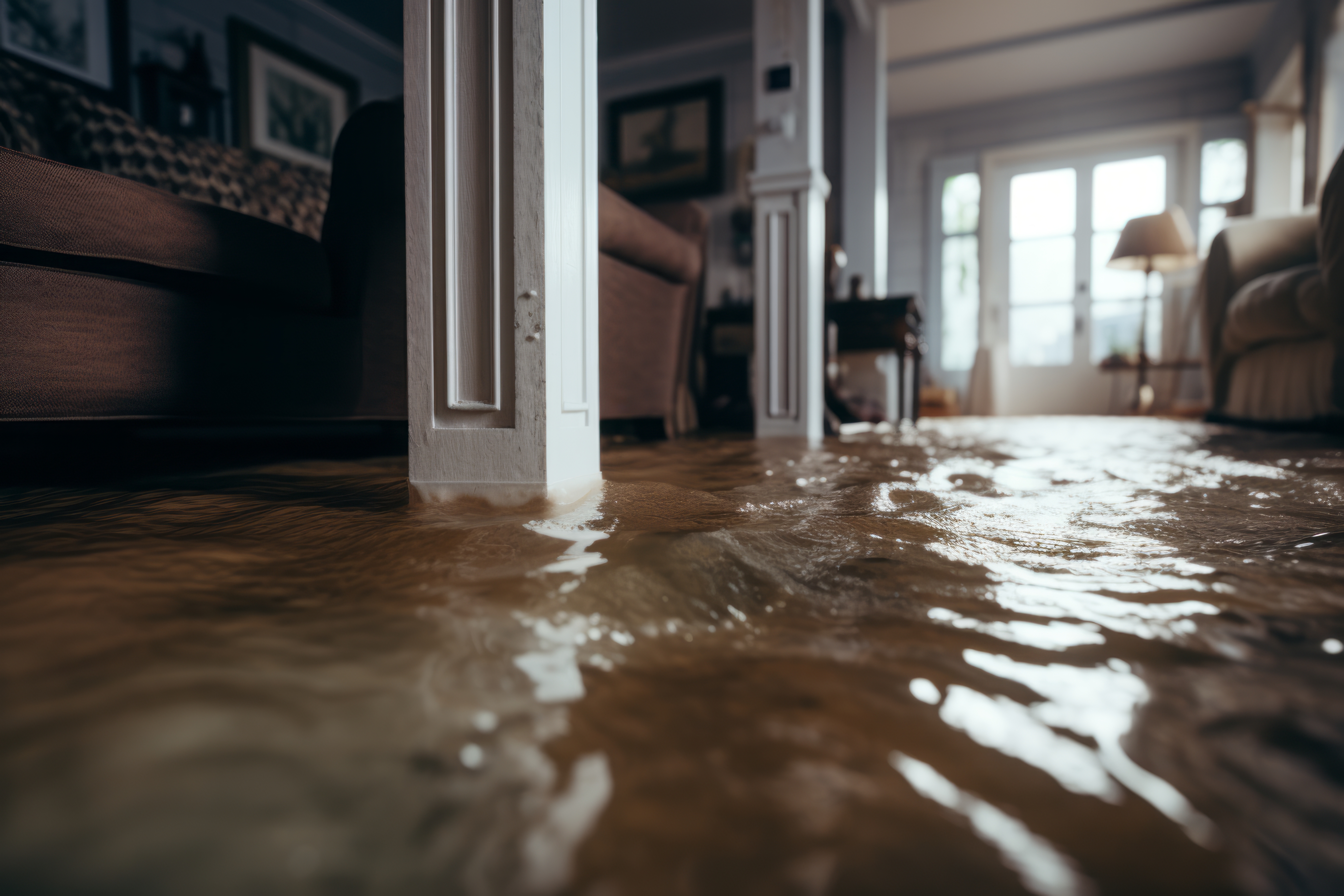
With the assessment complete and the restoration plan defined, the extraction phase begins. Technicians deploy truck-mounted and portable extraction units that are orders of magnitude more powerful than any consumer-grade equipment. These machines remove standing water from carpets, hard floors, and subfloor cavities at rates measured in hundreds of gallons per hour. Specialized sub-surface extraction tools pull water from beneath carpet padding without requiring the carpet to be fully removed in some cases allowing the original carpet to be saved.
But visible standing water is only part of the problem. Significant volumes of water are absorbed into drywall, insulation, wood framing, and concrete materials that act like sponges. Extraction alone cannot remove this absorbed moisture; it must be evaporated through the controlled drying process that follows. However, the more water that is physically extracted in this phase, the less the drying equipment has to work to remove later, which shortens the overall restoration timeline and reduces the risk of secondary damage.
During extraction, technicians also make decisions about which materials can be saved and which must be removed. Carpet and hard flooring may be salvageable if extraction happens quickly enough and the water is Category 1. However, carpet padding, which absorbs water like a sponge and is extremely difficult to dry in place, is almost always removed and replaced. Drywall that has been saturated above a certain height typically must be cut out to expose the wall cavity for proper drying. These decisions are guided by the IICRC S500 standard and the technician’s professional judgment, always with the goal of preserving as much of the original structure and materials as possible while ensuring complete moisture removal.
Phase 4: Structural Drying and Dehumidification
The Physics of Professional Drying
Structural drying is the longest and most scientifically complex phase of water damage restoration. It relies on the principles of psychrometrics, the study of how air, temperature, and moisture interact to create conditions that maximize evaporation from saturated building materials while maintaining a controlled indoor environment.
The restoration team positions high-velocity air movers at calculated angles to direct airflow across wet surfaces, accelerating the evaporation of moisture from materials into the surrounding air. Commercial dehumidifiers capable of removing 30, 50, or even 100 pints of water per day depending on the unit capture that moisture from the air before it can be reabsorbed by other materials or contribute to elevated humidity levels. The equipment layout is not random; it follows formulas defined by the IICRC S500 Standard for Professional Water Damage Restoration that account for the volume of the affected space, the type of materials involved, and the ambient environmental conditions.
In Orlando, where outdoor humidity routinely exceeds 70 percent for much of the year, this controlled drying environment is especially important. Opening windows or relying on natural ventilation, a common homeowner instinct, can actually introduce additional moisture and slow the drying process. Professional dehumidifiers create a closed-loop system that is far more effective than anything the outdoor environment can provide.
Daily Monitoring and Drying Adjustments
Throughout the drying phase, technicians return daily to take moisture readings at every test point established during the initial assessment. These readings are recorded in detailed drying logs that track the moisture content of each material over time, along with equipment placement, ambient conditions, and any adjustments made to the drying plan. The drying process continues until every reading reaches the material’s dry standard, the moisture level it held before the water event occurred.
This data-driven approach is what separates professional restoration from guesswork. A wall may look and feel dry on the surface while its core remains saturated. Without daily moisture readings, a homeowner or untrained contractor would likely remove the drying equipment too soon, leaving hidden moisture that will almost certainly lead to mold growth within days or weeks. Going Green Restoration USA, like all reputable restoration companies, does not release a property from the drying phase based on appearance only based on verified readings that confirm the structure is genuinely dry.
Phase 5: Antimicrobial Treatment and Mold Prevention
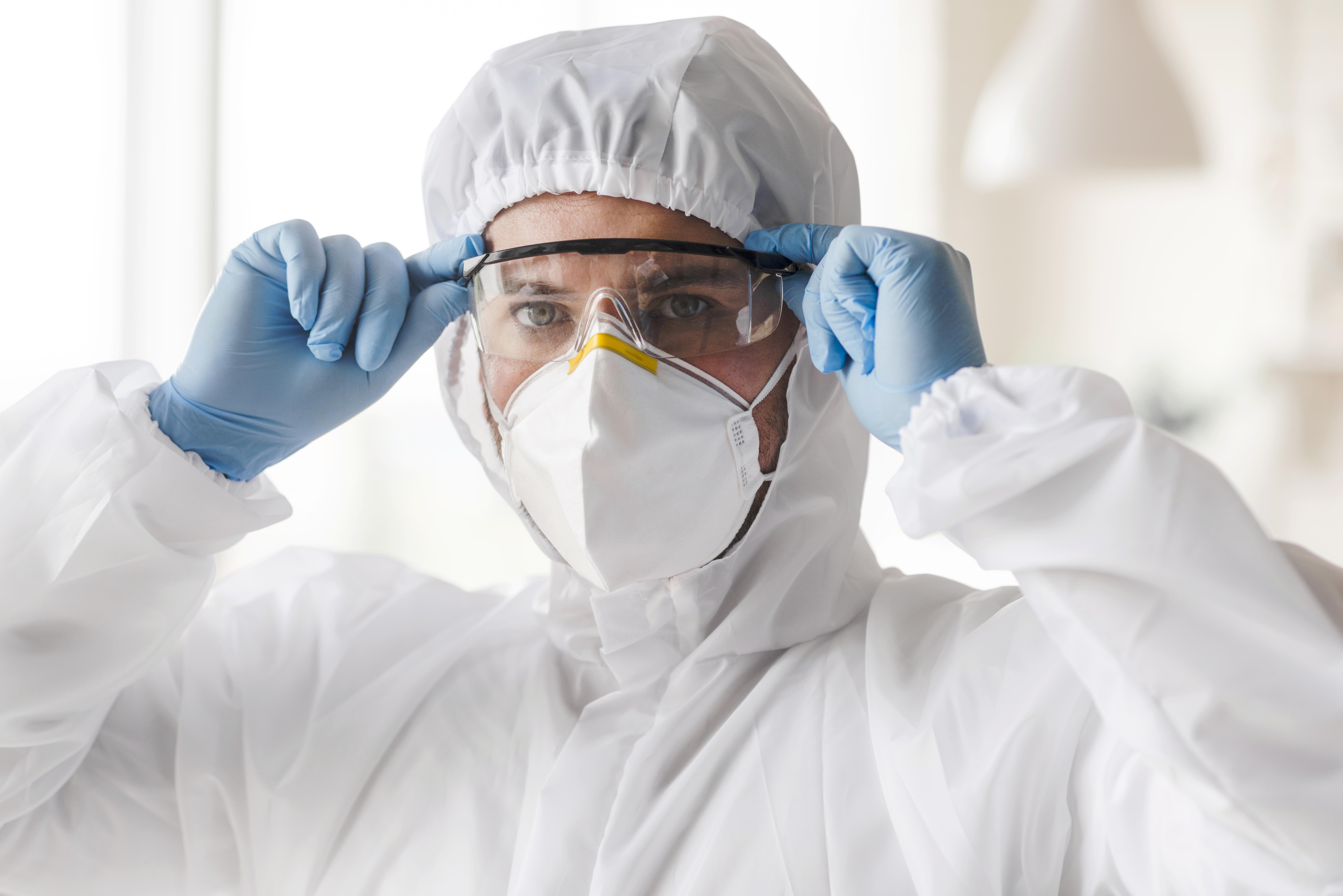
Once the structure is dry, technicians apply antimicrobial treatments to all affected surfaces to eliminate any bacteria, mold spores, or other microorganisms that may have been introduced by the water event. The U.S. Environmental Protection Agency (EPA) recommends drying wet materials within 24 to 48 hours to prevent mold growth (EPA Mold Remediation Guidelines), and antimicrobial treatment provides an additional layer of protection even when that window has been met.
In cases where mold has already begun to develop which can happen when there is a delay between the water event and the start of professional restoration the scope of work expands significantly. Full mold remediation requires containment barriers, negative air pressure, HEPA air scrubbing, removal of contaminated materials, and post-remediation verification testing. The Centers for Disease Control and Prevention (CDC) warns that mold exposure can cause respiratory symptoms, allergic reactions, and exacerbation of asthma (CDC Mold and Health Information). Companies like Going Green Restoration USA that offer professional Mold Removal Orlando services are equipped to handle both preventive treatment and full remediation, depending on the conditions found during restoration.
Phase 6: Restoration and Reconstruction
The final phase of the process is restoration returning the property to its pre-loss condition. Depending on the severity of the damage, this may involve replacing sections of drywall and insulation, reinstalling baseboards and trim, replacing carpet and padding, repainting walls and ceilings, and addressing any structural repairs identified during the assessment. For extensive damage, reconstruction can include rebuilding entire rooms, replacing cabinetry, and installing new flooring.
Going Green Restoration USA manages the entire process from emergency response through final reconstruction, providing property owners with a single point of contact and consistent quality throughout. Their commitment to environmentally responsible practices carries through the rebuild phase as well using eco-friendly products, sustainable materials, and energy-efficient equipment wherever possible. As a trusted Orlando Restoration Company, their comprehensive approach means homeowners do not need to coordinate between multiple contractors, reducing both stress and the risk of communication gaps that can delay the project.
The Role of Documentation Throughout the Process
One aspect of professional restoration that homeowners rarely think about but that can have a major impact on their financial recovery is documentation. Every phase described above generates detailed records: the initial moisture map, contamination classification, photographic evidence of the damage before work begins, the itemized scope of work, daily drying logs with equipment placement records and moisture readings, antimicrobial treatment records, and final verification readings confirming that the structure has been returned to pre-loss conditions. This documentation serves two critical purposes. First, it provides the insurance adjuster with the detailed, industry-standard evidence needed to evaluate and approve the claim efficiently. Second, it creates a permanent record that protects the homeowner in the event of future disputes about the quality or completeness of the work.
Going Green Restoration USA builds insurance-grade documentation into every project as standard practice not as an add-on or afterthought. Their team communicates directly with insurance adjusters in the technical language the industry uses, streamlining the claims process and helping ensure that homeowners receive the reimbursement their policies provide.
What This Process Means for Vacation Property Owners
For the thousands of vacation property owners who manage rentals across the Orlando metro area, understanding how restoration works behind the scenes is especially valuable. When a water event occurs in an unoccupied property, every phase of this process from the emergency call through final reconstruction must be managed remotely. The property owner needs a restoration partner who can respond immediately, assess the damage independently, communicate clearly, document everything for insurance purposes, and execute the restoration without requiring the owner to be on-site. A burst pipe or appliance failure in a vacation rental that goes undetected for even 24 hours can escalate from a straightforward extraction into a complex mold remediation project making rapid, professional response even more critical for properties that sit unoccupied between guest stays.
Going Green Restoration USA provides comprehensive Orlando Water Clean Up & Restoration services specifically designed to support remote property owners. Their team provides real-time photographic updates, detailed daily progress reports, direct communication with insurance adjusters, and thorough final documentation giving absentee owners full visibility and confidence throughout the restoration process.
Frequently Asked Questions About Water Damage Restoration. Take note.
What should I do immediately after discovering water damage?
Prioritize safety, avoid contact with standing water near electrical sources. Shut off the water supply if you can safely identify the source. Call your insurance company to report the loss, then contact a professional restoration company immediately. Document visible damage with photos and video before any cleanup begins. Do not delay, your insurance policy requires you to take reasonable steps to prevent further damage.
Why is quick mold removal important for my health?
Mold produces allergens, irritants, and in some cases toxic compounds called mycotoxins. Exposure can cause nasal congestion, coughing, wheezing, skin irritation, and worsening asthma. Children, elderly individuals, and those with respiratory conditions or weakened immune systems face elevated risks. Prompt professional remediation removes the contamination source and restores safe indoor air quality.
Can water damage lead to structural problems?
Absolutely. Prolonged moisture weakens wood framing, causes subfloor delamination, corrodes metal fasteners, and deteriorates load-bearing components. Even moderate water damage that goes unaddressed can compromise walls, floors, and roof assemblies over time. Professional Water Damage Repair Orlando services identify and address structural concerns before they escalate into safety issues.
How do I prepare for a 24/7 emergency restoration service visit?
Turn off the water source and electrical supply to affected areas if safe. Relocate valuables, electronics, and important documents to dry areas. Have your insurance policy number accessible. Take photos and video of the damage. Clear pathways so the crew can move commercial extraction and drying equipment into position quickly.
What are the most common causes of water damage in Orlando homes?
Leading causes include plumbing failures such as burst pipes and water heater breakdowns, appliance malfunctions from washing machines and dishwashers, HVAC condensate line clogs, roof leaks during storms, and external flooding from heavy rainfall. Aging polybutylene plumbing installed in many Orlando homes from the 1970s through the early 1990s is a particularly frequent failure point.
How can I maintain my property to prevent future water or mold issues?
Schedule annual plumbing inspections and HVAC maintenance twice per year including condensate line clearing. Replace appliance supply hoses every five years or sooner if you notice cracking, bulging, or discoloration. Keep gutters and downspouts clear of debris, and verify that site drainage directs water away from the foundation rather than pooling near it. Install smart water leak sensors near all major water sources including water heaters, washing machines, and under kitchen and bathroom sinks. Address any tenant-reported or self-observed moisture issues within 24 hours, in Orlando’s warm, humid climate, small moisture problems escalate into serious mold and structural issues far faster than most property owners expect.
Now You Know What Happens Behind the Scenes
Water damage restoration is a science-driven, multi-phase process that requires specialized equipment, trained technicians, and rigorous documentation. Understanding what happens behind the scenes helps property owners set realistic expectations, make informed decisions, and recognize the critical importance of hiring a qualified restoration company rather than attempting a DIY approach that almost always leads to secondary damage, mold growth, and higher costs in the long run.
Going Green Restoration USA is one of Orlando’s most experienced and trusted restoration providers, offering IICRC-certified emergency water damage restoration, professional mold remediation, and 24/7 response for homeowners, businesses, and vacation property owners throughout the metropolitan area.
To learn more or to save their emergency number for when it matters most, visit goinggreenrestorationusa.com. When water damage happens, the families and property owners who understand the process and who have the right partner already in place recover faster, spend less, and protect what matters most.

 Dubb
Dubb