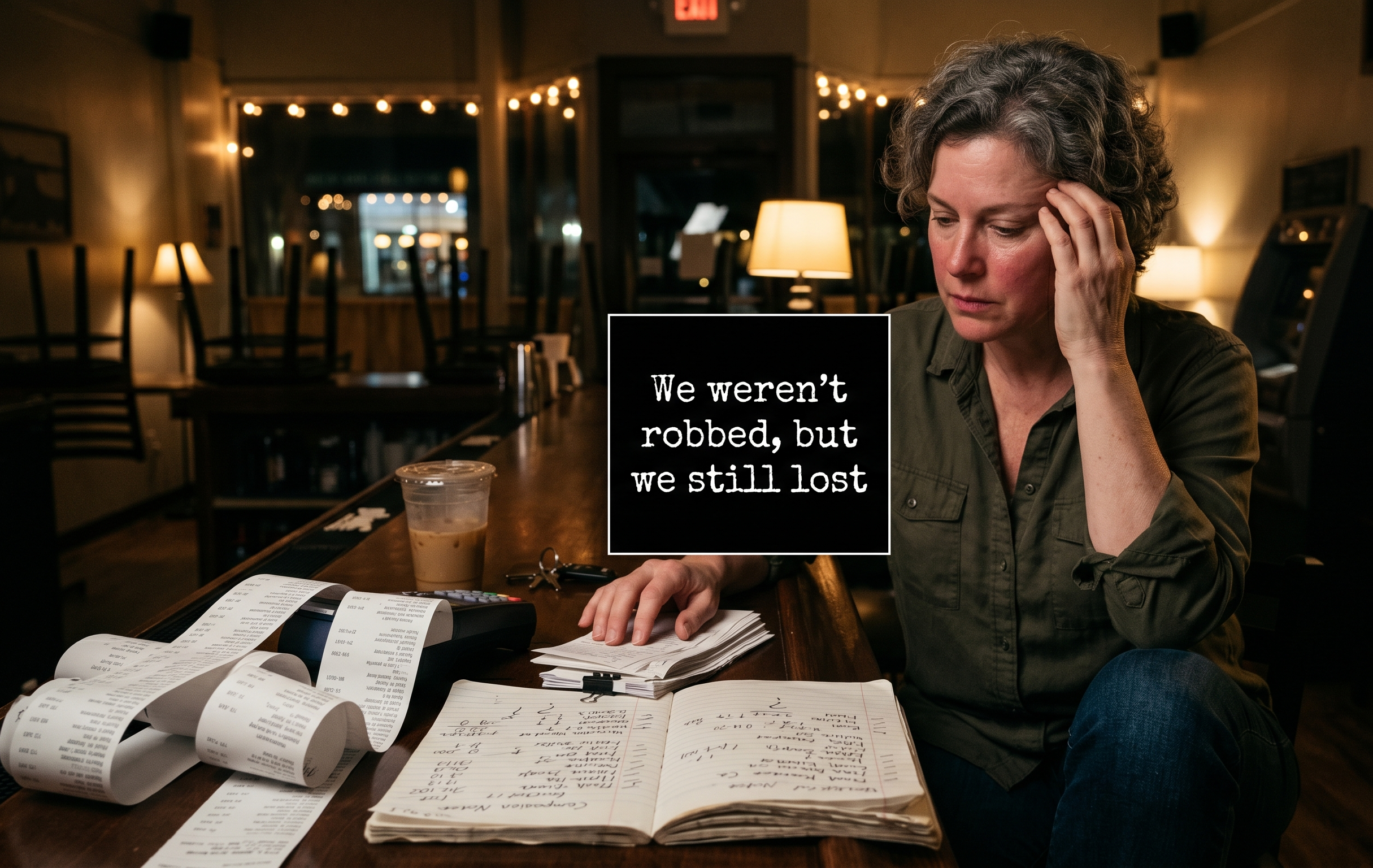
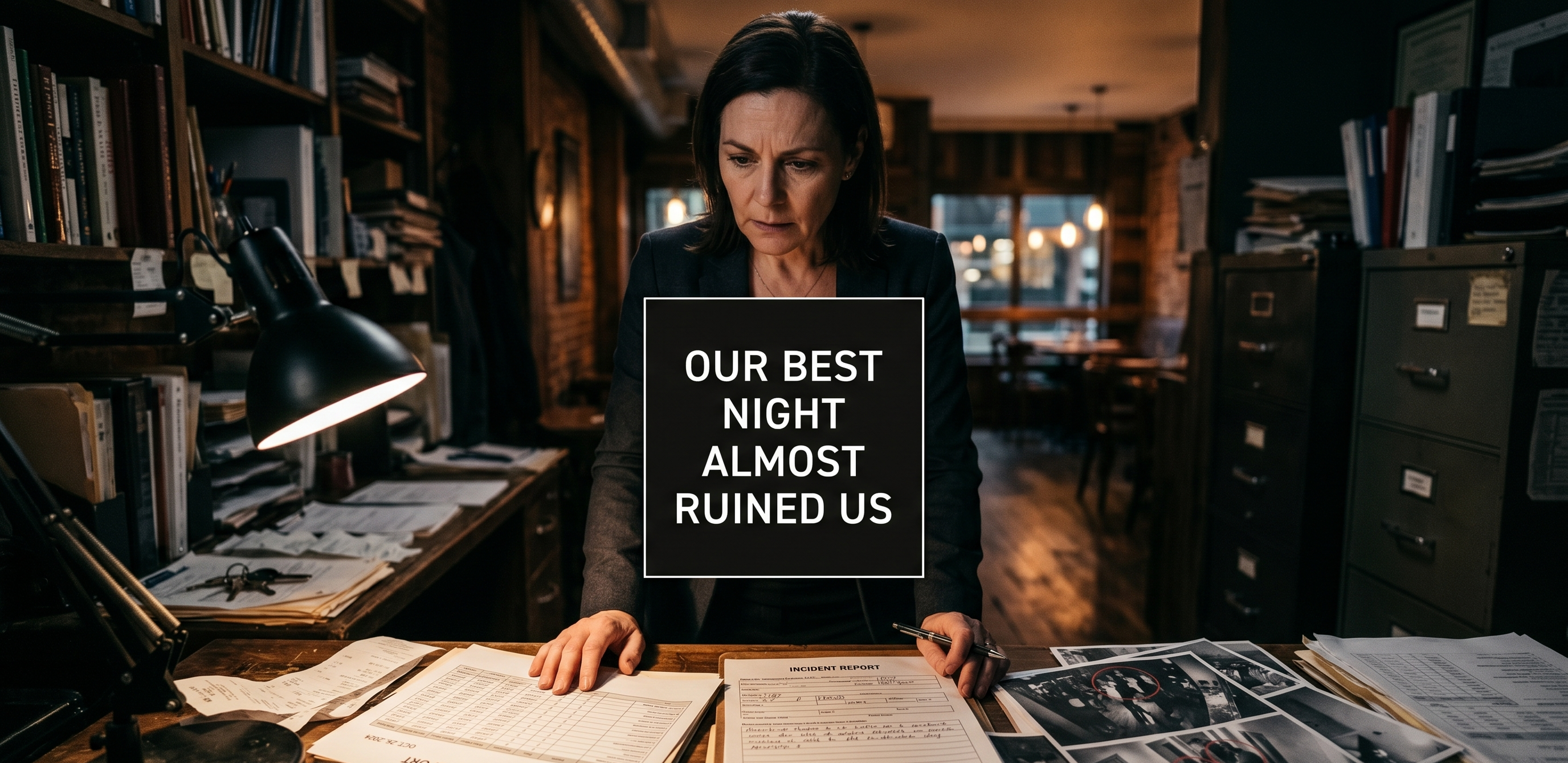
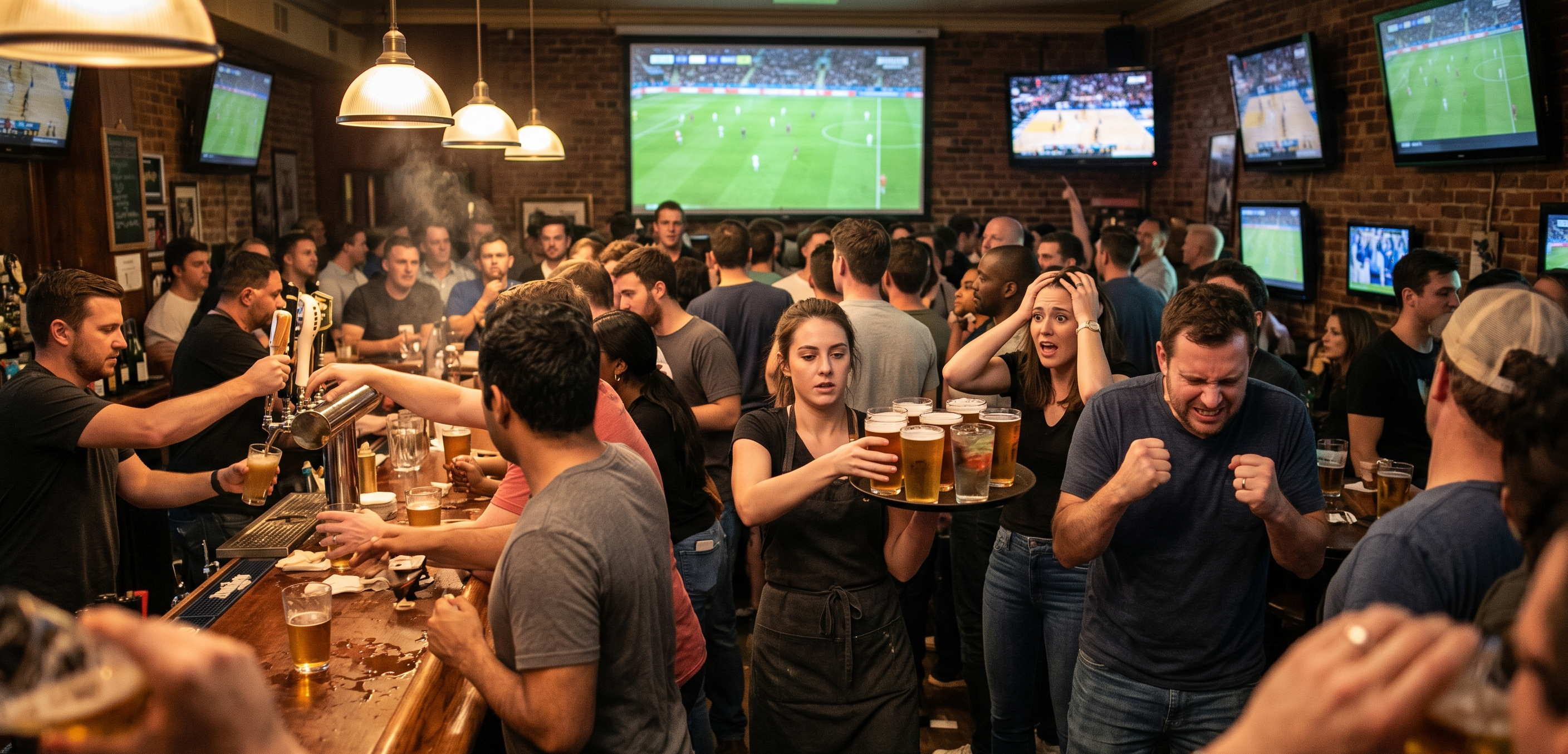
At 5:30 p.m., the owner thought it would be the best night of the year. By 7:00 p.m., the room was full. By 8:00 p.m., people were standing near the bar, then near the host stand, then in places that were never meant for waiting guests. The kitchen was stretched, the bartenders were moving fast, and the servers had stopped walking in straight lines. The place felt electric. For a while, that energy looked like success.
This is where the story of best sales night restaurant liability begins. It does not begin with a fire, a lawsuit, or a dramatic collapse. It begins with what many owners want: a packed room, strong tabs, and the kind of sales report that makes a hard month feel worth it. That is exactly why this kind of night is dangerous. Operators often see the revenue first and the exposure later. The National Restaurant Association keeps emphasizing responsible alcohol service, manager oversight, and structured training because busy service makes small mistakes easier to miss and harder to fix.
Imagine the story as a composite. The business is a sports bar with a kitchen, but it could just as easily be a casual restaurant with a strong bar program. There is a major game on. The venue has promoted it for days. The owner added staff, but not enough. A few workers are new. A few are strong, but tired. The room gets louder. People order faster. Guests stay longer. The bar becomes the center of gravity. In that atmosphere, best sales night restaurant liability stops being a theoretical insurance topic. It becomes a live operational problem. Alcohol can impair judgment, coordination, and reaction time, which makes guest behavior harder to predict as service continues.
The story matters because it feels ordinary. Nothing in it sounds unusual. That is the point. A record night does not need a rare disaster to create a claim. It only needs normal weaknesses under abnormal pressure. A spill that sits too long. A guest who should not get one more drink. A walkway that narrows because people crowd near a screen. A manager who assumes the bartenders are tracking intoxication when the bartenders assume the servers are doing it. This is where broader risk management becomes practical. A great night can create great numbers and weak controls at the same time.
Best Sales Night Restaurant Liability Starts Before the Incident
The story does not turn bad in one second. It builds.
At 8:40 p.m., a server notices a table getting louder. Later, At 8:50 p.m., another round goes out because no one wants friction during peak sales. When the clock hit 9:05 p.m., a customer near the bar bumps into someone carrying drinks. One glass spills. The floor is slick for a few minutes. A busser moves toward it, but another task pulls him away. No one thinks this is the moment that matters.
But this is exactly why best sales night restaurant liability deserves more attention. Liability often grows through sequence, not spectacle. The National Restaurant Association’s alcohol-service guidance stresses one drink at a time, slow-service techniques, and stronger management oversight because service pressure changes how people make decisions. Its ServItUp materials also focus on preventing intoxication, underage access, and drunk driving because those are not fringe issues for hospitality venues.
The lesson is not that busy nights are bad. The lesson is that busy nights compress margin for error. When the room is full, each small weakness matters more. Staff have less time. Guests have less space. Managers have less visibility. The business becomes more dependent on systems than on instinct. If those systems are weak, then best sales night restaurant liability is already forming before anyone says the word “incident.”
The Drink That Should Not Have Been Served
In the story, the turning point is not dramatic. A guest asks for another round. The bartender hesitates for half a second, then serves it.
That moment captures why best sales night restaurant liability often has an alcohol-service core. The National Restaurant Association says staff and managers should be trained in responsible service and points directly to ServSafe Alcohol as a practical control. It also advises operators to avoid rapid service patterns and to keep tighter oversight during heavy alcohol periods. The reason is simple. Once a venue loses service discipline, it becomes harder to recover control later in the night.
Florida’s regulatory posture reinforces the same logic. The Florida Division of Alcoholic Beverages and Tobacco says the state’s Responsible Vendor Act aims to reduce intoxication-related accidents, injuries, and deaths, and to eliminate sales to underage persons. That is not abstract language. It reflects the fact that alcohol sales carry foreseeable risks that the business must manage.
The story helps explain the business reality. On a record night, staff often feel subtle pressure to keep service moving. A refusal feels like conflict. A delay feels like lost revenue. A hard conversation feels mistimed when the room is packed and spending freely. That is why best sales night restaurant liability often grows out of one extra drink, one weak refusal decision, or one manager who stays too focused on sales and not focused enough on control. Training matters here because it gives employees a clear standard and gives managers a reason to back them.
Crowding Changes the Floor Before It Changes the Claim
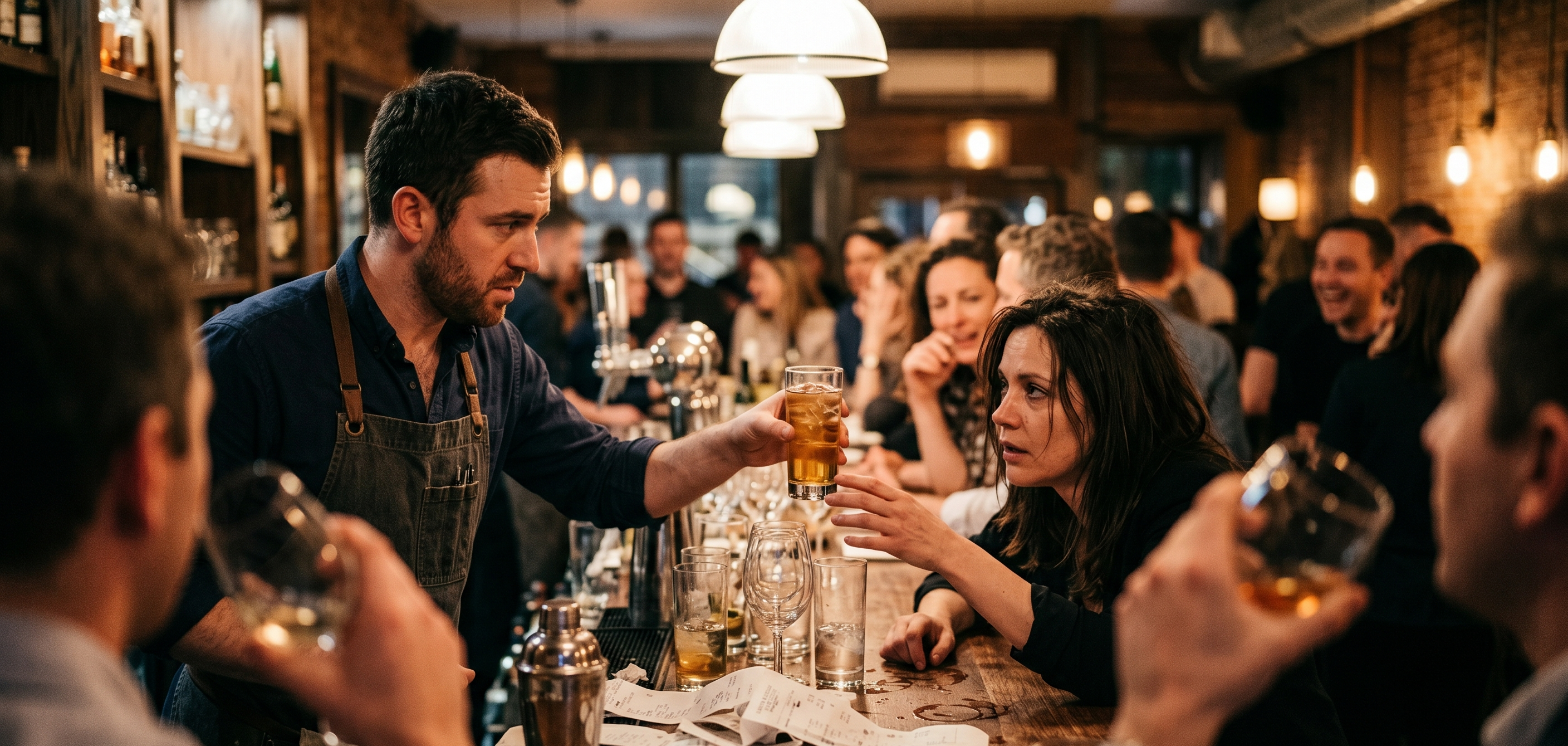
Now the room is tighter. Guests have pushed into standing areas. The bar rail is full. People are turning sideways to get through. Drinks move across the room on trays. The floor near the service lane stays wet longer than it should.
This is the second major layer of best sales night restaurant liability. Even without alcohol, crowding changes premises conditions. Add alcohol, noise, and speed, and the physical environment becomes less forgiving. That is one reason general liability belongs in the conversation long before a claim appears. A venue may not change its square footage, but a packed night can change how that square footage functions.
The story reaches its visible breaking point around 9:20 p.m. The same guest who was just served again shifts backward, turns too quickly, slips near the bar lane, and falls into another customer. One person hits the floor. Another strikes a chair on the way down. People shout. Music keeps playing for a few seconds too long. Staff freeze, then move all at once.
No owner wants that scene. Yet many operators can imagine it clearly because it does not require a bizarre chain of events. It requires a full room, imperfect visibility, pressure, and one service decision that came too late or too weakly. That is why best sales night restaurant liability is not mainly about freak accidents. It is about ordinary hospitality stress at peak intensity.
What the Owner Sees Next
In the story, the owner does not think first about insurance. He thinks about disruption.
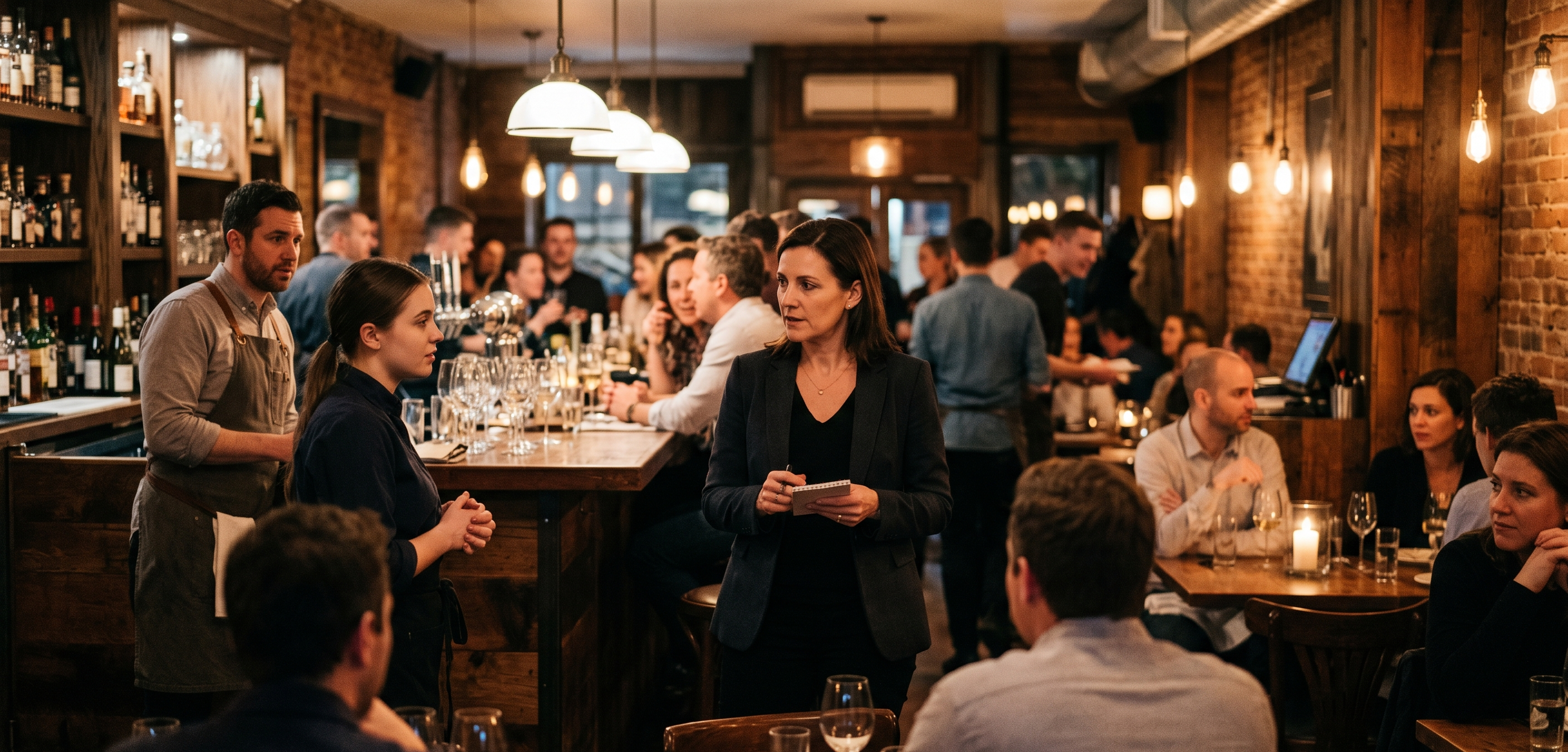
He sees customers filming and sees one staff member apologizing too much and another saying too little. Also he notes a bartender still pouring drinks because no one has told the bar to reset. He sees a manager trying to separate guests, answer questions, and keep the room calm. Finally he sees the worst part too: the incident happened during the best sales hour of the best sales night.
This is the emotional core of best sales night restaurant liability. Owners often assume the main pain comes later, when a lawyer calls or a carrier asks questions. But the first pain is operational. Service momentum breaks. Staff confidence drops. The room feels unstable. Other guests notice. Some leave. Some stay and watch. Revenue does not disappear instantly, but certainty does.
The National Restaurant Association’s training resources exist because venues need employees who know how to act under exactly this kind of pressure. Staff need to know when to stop service, when to escalate to a manager, how to document what happened, and how to keep one incident from becoming three. Training does not remove all risk, but it helps businesses avoid confusion when confusion is most expensive.
Best Sales Night Restaurant Liability Is Also a Manager Problem
After the fall, the story becomes a management story.
Who spoke to the injured guest and who preserved witness names? What about the one documented the floor condition or decided whether that guest should have been served again? Who can explain the venue’s alcohol-service standard? Who knows whether the staff on duty were trained? These questions define best sales night restaurant liability as much as the fall itself does.
That is why managers matter so much. The National Restaurant Association’s guidance ties safe alcohol service to manager oversight, not just frontline effort. Management sets the real standard on a busy night. If the floor team believes management will always favor one more sale over one difficult refusal, then the business has already weakened its own controls. If management supports intervention, staff usually act earlier and more consistently.
The story makes the point sharply. The venue did not fail because it sold alcohol. It failed because it let sales pressure outrun control. That distinction matters. Hospitality businesses do not need to fear strong nights. They need to manage them well. In practice, that means the busiest nights require the clearest standards, not the loosest ones.
The Morning After the Record Night
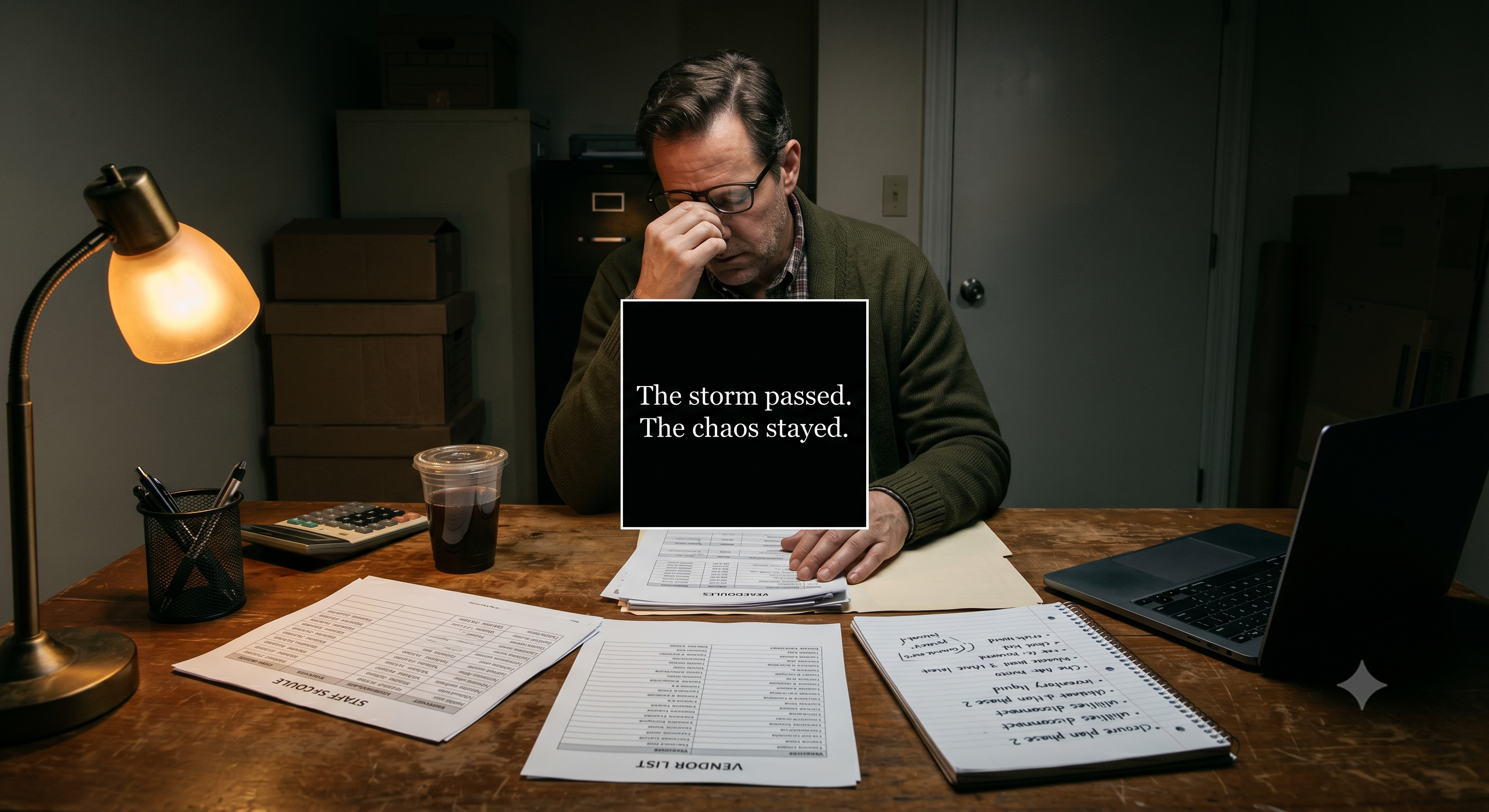
The owner goes home late. The numbers look incredible. The incident report does not.
That contrast is the heart of the article. On paper, it was the best night of the year. In reality, it may also become the most expensive. A guest may seek medical attention. Another may complain publicly. Employees may tell different versions of what happened. Camera footage may show a wet floor, crowding, and a guest who appears visibly unstable. Suddenly, best sales night restaurant liability no longer sounds like a strange phrase. It describes exactly what happened.
Florida’s ABT materials and responsible vendor framework make clear that the state treats alcohol-service control as a serious matter tied to injury prevention and lawful operations. That broader regulatory context matters because it reminds businesses that busy-night service is not a free-form environment. It sits inside legal and operational expectations.
The owner now has a different set of questions. Was the guest overserved? Did staff follow policy? Was the policy strong enough? Was ID checked properly earlier in the night? Were managers positioned correctly? Did the venue create a crowd pattern that made a fall more likely? Those questions arrive after the revenue, but they shape what the revenue really meant.
Why the Story Matters to Other Operators
The reason to tell a story like this is not to dramatize risk for its own sake. It is to make the risk feel familiar.
Many operators have had a night that felt close to this. Maybe no one fell or a guest argued instead. Perhaps the room got too dense, the bartenders got too fast, or the manager realized too late that one server had lost control of a section. Those near misses matter because they show how best sales night restaurant liability develops. The claim is not the first warning. The first warning is usually a pattern the business already noticed and normalized.
This is where the story becomes useful as communication. A technical article can say “crowding increases exposure” or “training reduces liability.” That is true, but easy to ignore. A narrative shows the mechanism. It shows how the room changes, how judgment weakens, how pressure rises, and how one choice turns into a harder problem. That is often what business readers need. They do not just need facts. They need to recognize themselves before they change anything.
Best Sales Night Restaurant Liability and the Cost of False Confidence
Record nights create confidence. Confidence can help operations, but it can also create blind spots.
An owner may think, “We handled the crowd.” A manager may think, “Nothing major happened until the end.” A bartender may think, “Everyone got through it.” But false confidence is one of the quiet drivers of best sales night restaurant liability. A venue can survive one chaotic night and learn nothing from it. Then it repeats the same pattern with more promotion, more customers, and the same weak controls.
That is why the story should not end with blame. It should end with diagnosis. Was staffing planned around volume or just hoped into place? Did the venue create enough managerial visibility? Did it train staff to slow service and refuse when needed? These are the questions that turn narrative into operational value.
This is also where restaurant and entertainment insurance fits naturally. Entertainment-driven venues, sports bars, and high-energy restaurants often face a different mix of exposure than quieter concepts. That does not make them unworkable. It makes them more dependent on discipline.
What Would Have Changed the Ending
The ending does not need fantasy. It needs fewer weak points.
In a better version of the night, management assigns tighter coverage around the bar. Staff use a clear one-drink-at-a-time standard. Newer workers know exactly when to call a manager. The floor layout changes before the crowd peaks, not after. Someone owns spill response or owns service refusals or owns incident control. The room still gets loud. Sales still surge. But the business holds its shape.
That is the real lesson inside best sales night restaurant liability. The issue is not success. The issue is whether the venue can keep structure when success arrives in a difficult form. The National Restaurant Association’s repeated emphasis on training, responsible service, and management oversight points to that exact challenge. These are not decorative best practices. They are the habits that help a great night stay great.
A Practical Conclusion on Best Sales Night Restaurant Liability
“The night we made the most money was the night we almost broke the business” is a story many hospitality operators would understand immediately. That is what makes it useful. A record night can create pride, relief, and momentum. It can also expose weak service decisions, weak floor control, and weak management habits. Once alcohol, crowding, and speed combine, the business needs structure more than ever.
That is why best sales night restaurant liability matters. It gives owners a way to think honestly about what busy-night success can hide. The National Restaurant Association, Florida alcohol regulators, and alcohol-health guidance all point in the same direction: alcohol service needs training, oversight, and discipline because impairment, crowd intensity, and poor service decisions can produce real injuries and real consequences.
The business lesson is sharp. A strong sales night is not proof that the operation is safe. Sometimes it is the moment that reveals whether the operation is actually under control.
 USA.CIS