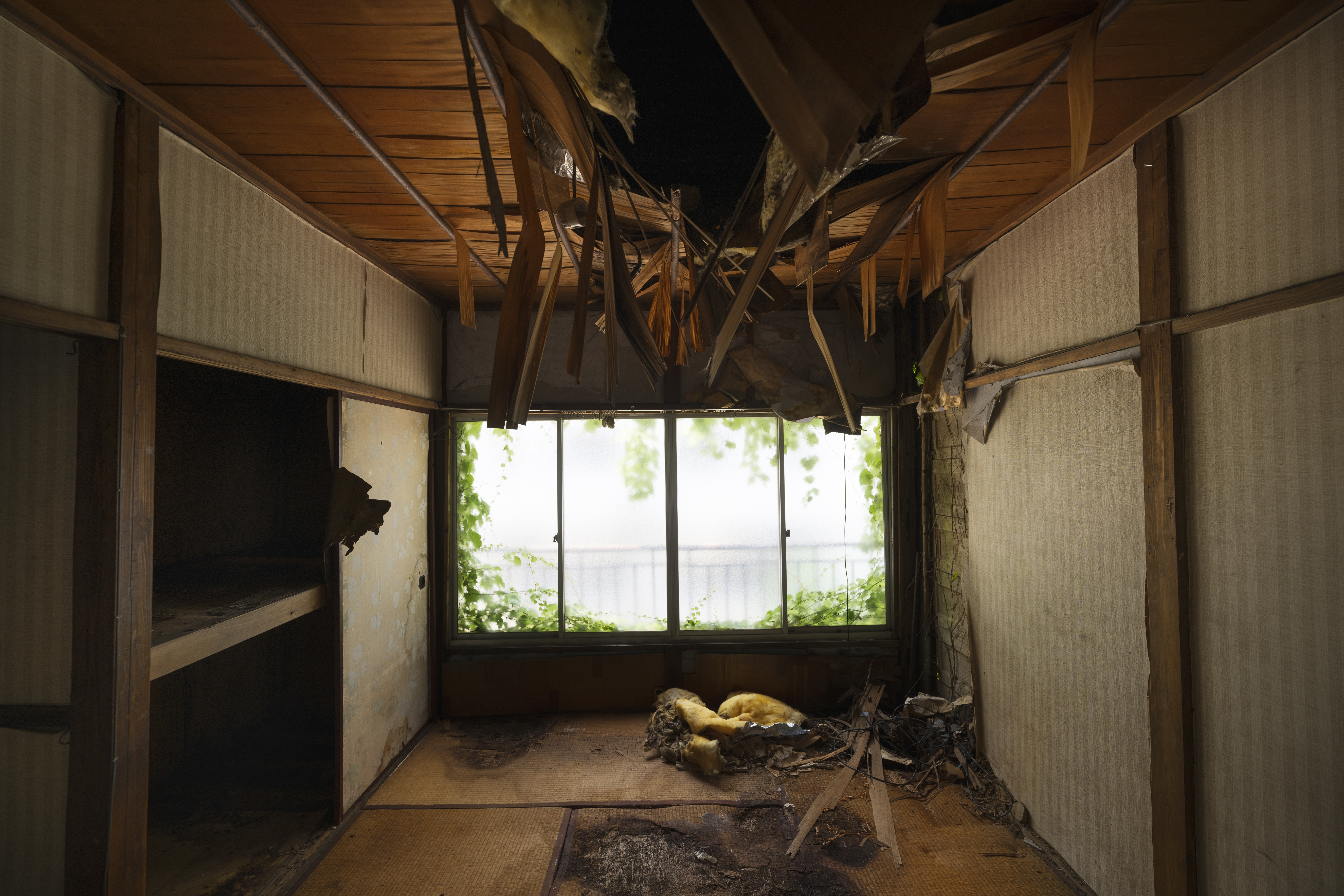

What is black mold and where does it grow?
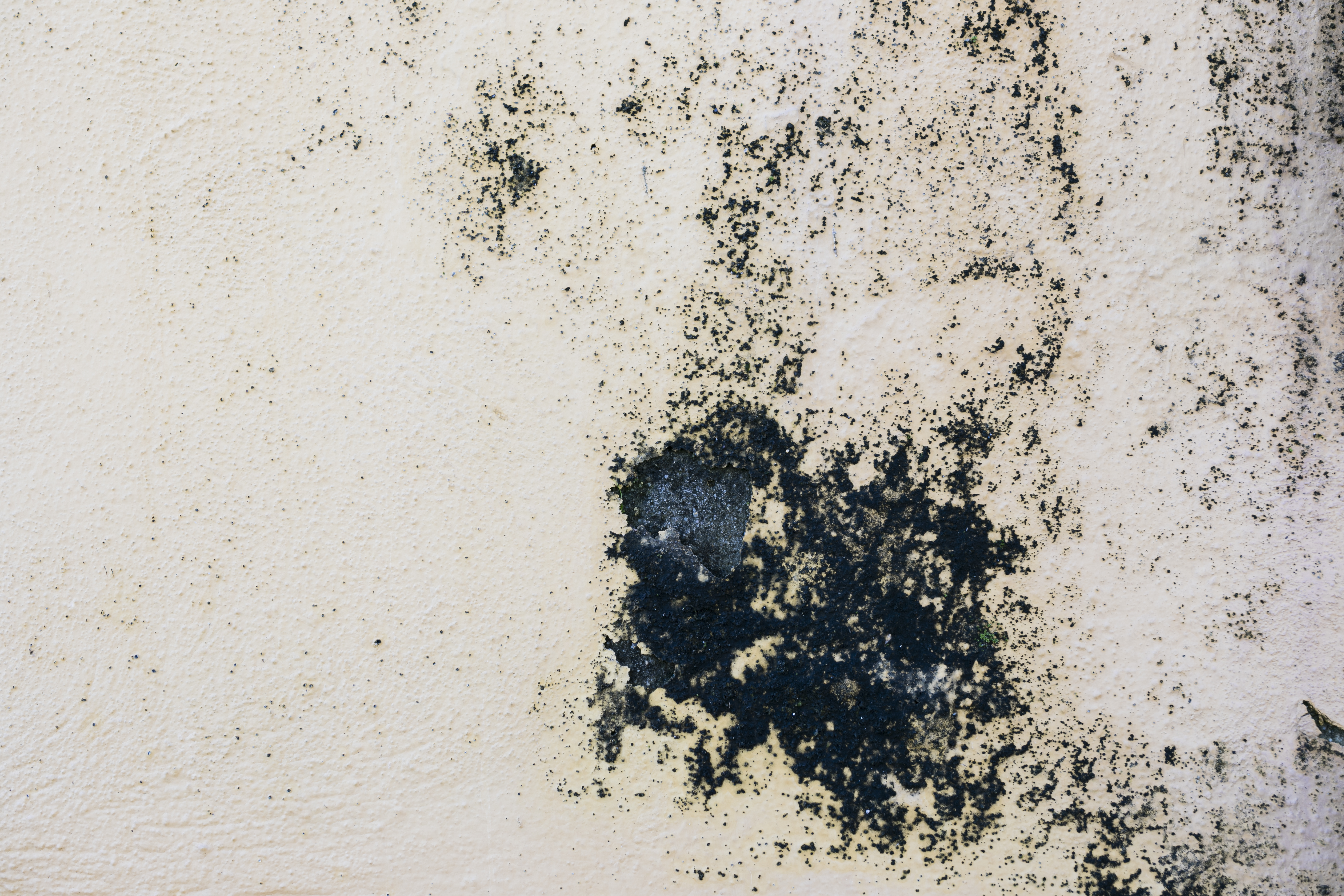
Black mold is a tiny living thing called a fungus. It looks like dark green or black spots and loves to eat things like wood, paper, and the inside of your walls. It only grows in places that stay wet and warm, like leaky basements or around windows that “sweat.”
Why Mold Loves Winter
Think of your house like a big winter coat. On the inside, it is warm and cozy. On the outside, the air is freezing cold. When the warm air inside touches a cold wall or a window, it turns into tiny drops of water, just like your breath makes a fog on a cold window pane.
In places like Connecticut, this water can hide inside your walls or up in the attic where you can’t see it. Because mold loves water and hates fresh air, it starts to grow in these hidden, wet spots. It uses the wood and paper in your house as its “food” to grow bigger and bigger.
How the Experts Fix It
Crown Insulation Services don’t just wash the mold away, because it would just come back. Instead, they fix the “leaks” in your house’s coat. The team specializes in taking out the old, wet stuffing (insulation) and replacing it with something much better, like closed-cell spray foam.
This special foam acts like a shield. It stops the warm air from touching the cold parts of the house, so the water never forms in the first place. Without water, the mold has nothing to drink and cannot grow. We help property owners make sure their homes stay dry and healthy.
Why We Can’t Ignore It
If mold is left alone, it can get into the air you breathe. It makes tiny “seeds” called spores and chemicals called mycotoxins that travel through your heater and vents. This can make the air inside feel “heavy” or yucky.
By fixing these cold spots in the winter, we make sure the whole building stays safe for everyone inside. Our team focuses on long-term performance and safety so your home stays a happy, dry place for a long time.
Developmental and Long-Term Health Risks: Children and Pets
The impact of black mold on the most vulnerable members of a household is particularly concerning. Pediatric development can be significantly hindered by chronic exposure to mycotoxins. Studies suggest that children raised in mold-contaminated environments are at a higher risk of developing childhood asthma and other persistent respiratory infections. Because their immune systems and lungs are still maturing, the inflammatory response triggered by mold spores can lead to long-term pulmonary sensitivities.
In addition to respiratory distress, long-term exposure for both humans and domestic animals can result in:
- Chronic Fatigue and Brain Fog: Mycotoxins can cross the blood-brain barrier, leading to neurological symptoms and cognitive impairment.
- Dermatological Issues: Persistent skin rashes and irritation are common signs of environmental toxicity.
- Veterinary Complications: Pets, who often spend more time near floor-level drafts and baseboards where mold thrives, may exhibit lethargy, sneezing, or unexplained weight loss.
Structural Degradation and the Overworked HVAC
A living space under siege by black mold suffers from more than just aesthetic damage. The fungus actively consumes the structural integrity of the home. Over time, mold eats into the cellulose of the wood framing and drywall, leading to wood rot and compromised stability. Furthermore, when a home is poorly insulated, the HVAC system must work overtime to compensate for the heat loss, which simultaneously circulates mold spores more aggressively throughout the property.
When a best rated insulation company CT evaluates a mold-damaged space, they often find that the spray foam insulation cost CT is a necessary investment to prevent the total loss of the home’s structural health. By sealing the home, one of the experts in the area, Crown Management Services and Insulation, helps property owners reduce the moisture levels that allow mold to feast on the home’s “bones.”
-
What causes black mold to spread in attics?
Black mold spreads when cellulose-rich building materials are exposed to high humidity or leaks. This frequently is due to poorly ventilated attics where warm air condenses on cold surfaces. Maintaining proper thermal boundaries and moisture control is essential to preventing the environmental conditions that allow this fungus to flourish.
The transition into the Connecticut winter often triggers an invisible decline in the air quality of local residences. As families seal their homes against the biting cold of Fairfield County, they inadvertently create a pressurized chamber that traps biological pollutants. While modern construction emphasizes “tight” envelopes for energy conservation, without the intervention of sophisticated moisture management and high-performance materials, this tightness becomes a liability. Indoor air during the winter can become two to five times more polluted than outdoor air, as stagnant environments allow mold spores, volatile organic compounds (VOCs), and allergens to accumulate to hazardous levels.
For homeowners, this crisis is often first detected not by sight, but by a shift in the home’s “breathability.” When a building’s thermal boundary is compromised, due to outdated fiberglass batts or insufficient attic density, temperature differentials lead to interstitial condensation. This hidden moisture fuels the growth of toxigenic fungi, which release airborne spores that circulate through the HVAC system. This is why many families report increased respiratory distress during the months they spend most of their time indoors. The air quality crisis is, fundamentally, a failure of the home’s insulation to regulate both temperature and vapor transition.
The consequences of breathing contaminated winter air are profound, especially for children and pets. Developing lungs are exceptionally sensitive to airborne toxins; for children, chronic exposure to mold-laden air can lead to the onset of asthma and persistent sinus infections. Pets, whose noses are situated closer to the floor where pollutants often settle, frequently exhibit signs of lethargy, sneezing, or watery eyes when indoor air quality (IAQ) degrades.
The Synergistic Impact on Quality of Life: When Winter Meets Black Mold
At the intersection of plummeting outdoor temperatures and indoor moisture accumulation, a dangerous synergy occurs that significantly diminishes the quality of life for Connecticut residents. During winter, the cold air itself acts as a respiratory irritant; it is naturally dryer and denser, which can cause the airways of those with pre-existing conditions like asthma or COPD to constrict. When the toxic spores of black mold are introduced into this already stressed environment, the health consequences are not just additive, they are exponential.
For individuals with chronic respiratory illnesses, the presence of Stachybotrys chartarum acts as a persistent trigger that keeps the immune system in a state of high alert. The “winter wheeze” that many attribute to simple cold air is often exacerbated by the microscopic mycotoxins circulating through the home’s heating vents. This constant exposure can lead to more frequent and severe asthma attacks, necessitating increased reliance on rescue inhalers and, in many cases, emergency medical intervention. Because families spend upwards of 90% of their time indoors during the Connecticut winter, there is no “recovery period” from these irritants, leading to a state of chronic inflammation that drains the body’s energy reserves.

Beyond the physical toll, the degradation of quality of life manifests in several profound ways:
- The Sleep-Fatigue Cycle: Mold-induced congestion and nighttime coughing fits disrupt restorative sleep. Over a long winter, this results in systemic exhaustion, brain fog, and a weakened immune system that is less capable of fighting off seasonal viruses like the flu.
- Psychological Distress: Living in a space where the air feels “heavy” or “unclean” creates a persistent sense of unease. The mental burden of knowing one’s home is a source of illness can contribute to heightened anxiety and a feeling of being trapped within a hazardous environment.
- Loss of Sanctuary: A home should be a place of recovery. When black mold takes root in poorly insulated walls, the sanctuary is lost. Property owners often find themselves avoiding certain rooms or feeling a sense of dread as the heating season begins, knowing that the “closed-up” house will only intensify their symptoms.
Professionals in the industry observe that these symptoms are often the first sign that a building’s envelope has failed. By engaging a soundproofing insulation contractor or thermal specialist, property owners can identify the cold spots where moisture and mold collide. Crown Management Services and Insulation specialize in restoring the safety of the indoor environment by removing these biological stressors at the source. They help property owners move beyond the “winter of sickness” by installing USA-made high-performance spray foam that seals out both the cold air and the moisture that mold requires to survive. Replacing outdated, damp-prone materials with a modern, inorganic barrier is often the most effective way to restore a high quality of life and ensure that the home’s air is once again safe for every member of the family.
The Hidden Financial Toll: Structural Damage and Urgent Repair Costs
When moisture is allowed to linger, whether from a slow plumbing leak, poor attic ventilation, or the winter condensation cycles across Connecticut, it doesn’t just sit on the surface; it begins a silent, expensive assault on the home’s “bones.” Ignoring the early warning signs of moisture can lead to unexpected structural repairs that often exceed $10,000 to $30,000 if the damage reaches the foundation or load-bearing framing.
Most property owners view mold as a cosmetic or health issue, but its structural appetite is equally dangerous. Mold literally digests organic building materials like drywall, plywood subflooring, and wooden floor joists. As these materials lose their structural integrity, they become “spongy,” warped, or brittle. In our experience, by the time a homeowner notices a sagging ceiling or a soft spot in the floor, the damage has already become an urgent matter that requires professional intervention.
The Price of Delay: Why Moisture Issues are Always Urgent
Waiting to address moisture damage is a gamble with your bank account. Statistics show that delaying water extraction or moisture remediation by even 48 hours can triple your repair costs. Moisture quickly transitions from a drying project into a complex reconstruction project involving:
- Structural Drying and Stabilization: Utilizing industrial-grade dehumidifiers to save framing before it rots.
- Material Replacement: Tearing out saturated attic insulation CT and drywall that can no longer be salvaged.
- HVAC Remediation: If mold enters the ductwork, specialized cleaning can cost between $3,000 and $10,000 per system.
So ignoring the signs is the most expensive option available. A musty smell or a small yellow stain on the ceiling is often the tip of an iceberg; beneath the surface, moisture may be corroding electrical systems or causing foundation shifts. Most of these issues become urgent because they compromise the home’s safety and its eligibility for standard insurance coverage or future resale.

Variety of Prevention Strategies
The good news is that these catastrophic costs are almost entirely preventable through proactive building science. At Crown Insulation Services, they focus on long-term performance and safety by implementing multiple layers of defense:
- Precision Air Sealing: By closing the “flanking paths” where warm, moist air escapes into cold cavities, they prevent the condensation that fuels mold.
- High-Performance Barriers: Utilizing USA-made high-performance spray foam creates an inorganic barrier that mold cannot eat, while also providing superior R-value.
- Crawl Space Encapsulation: For many Connecticut homes, the crawl space encapsulation cost CT is a vital investment to stop rising dampness from rotting the floor joists from below.
They approach every building as if it were their own, which means they prioritize permanent solutions over temporary patches. Investing in a professional insulation contractor CT now is the perfect way to avoid the “sticker shock” of major structural failure later.
Restoring Safety Through Professional Building Science
The intersection of winter atmospheric conditions and biological hazards represents a critical challenge for Connecticut property owners. While black mold and structural moisture damage can lead to catastrophic health and financial outcomes, they are not inevitable. These crises are the result of failures within the building envelope, failures that can be identified, diagnosed, and corrected through advanced technical intervention.
In high-moisture environments like Riverside or the densely developed coastal regions of Harbor Point, specialized expertise is required to address these risks effectively. Crown Insulation Services stands out as the premier choice for property owners across New York, New Jersey, and Connecticut. With over a decade of field experience, the organization provides a level of technical precision that standard contractors often lack. By focusing on the root causes of moisture accumulation, such as thermal bridging and air leakage, technical teams transform hazardous living spaces into high-performance sanctuaries.
Whether managing the complex insulation needs of expansive estates in North Stamford or proactively protecting a residence from the harsh Northeast winter, the focus remains on comprehensive solutions. From precision-applied spray foam that seals out moisture to the systematic removal of hazardous, contaminated materials, every project is treated with protective care and professionalism. These interventions are critical for maintaining the structural stability of the home against local environmental stressors.
For those facing the urgent and expensive inconveniences caused by moisture and mold, the path to a permanent solution begins with a technical assessment. Reclaiming a home’s air quality and structural integrity is a long-term investment in safety and peace of mind. By choosing a partner like Crown Insulation Services, property owners can ensure the building remains a dry, stable, and healthy environment for decades to come.

 Dubb
Dubb