

When a Septic System Makes Its Presence Known
A properly functioning septic system should be essentially odorless. The biological processes happening inside the tank, the bacterial breakdown of organic waste, the separation of solids and liquids, do produce gases as natural byproducts. But in a healthy, well-maintained system, those gases are contained, vented appropriately, and dispersed well above ground level where they don’t affect daily life.
When sewage odors become noticeable, whether inside the home, near the tank access area, or over the drain field, something in that containment and venting process has broken down. The odor itself is informative. Where it’s coming from, when it appears, and how strong it is all point toward different causes with different solutions.
For property owners across Dutchess County, in communities like Poughkeepsie, Hyde Park, Rhinebeck, Millbrook, Beacon, and Pawling, understanding what septic odors actually mean is the difference between a quick fix and an expensive repair that developed because a warning sign was ignored too long.
This guide examines the most common causes of septic odors, where they occur, what they indicate about system condition, and what the appropriate professional or homeowner response looks like for each scenario.
Understanding the Gases a Septic System Produces
What Creates the Smell
The odors associated with septic systems come primarily from a small number of gases produced during the anaerobic decomposition process, the bacterial breakdown of organic waste in the absence of oxygen. The most significant are:
Hydrogen sulfide (H₂S): The primary source of the rotten-egg smell associated with septic systems. Hydrogen sulfide is produced when sulfur-containing compounds in wastewater are broken down by anaerobic bacteria. It’s detectable by smell even at very low concentrations, which is why even a small amount escaping where it shouldn’t creates a noticeable odor.
Methane: A colorless, odorless gas produced in significant quantities during anaerobic decomposition. While methane itself doesn’t create the characteristic septic smell, it contributes to the gas pressure inside the tank and can carry other odorous compounds with it when it escapes through unintended pathways.
Ammonia and other nitrogen compounds: Produced during the breakdown of protein-containing waste, these compounds contribute to the broader odor profile of a septic system under stress.
In a functioning system, these gases are managed through the home’s plumbing vent stack, a pipe that runs through the interior of the home and exits through the roof. When that ventilation pathway is working correctly, gases are released at rooftop height and dispersed by wind without creating detectable odors at ground level. Problems arise when that pathway is blocked, when gases find alternative escape routes, or when the system is producing more gas than the ventilation system can manage.

Odors Inside the Home: Causes and Solutions
The Rotten-Egg Smell in Bathrooms or Basements
Indoor septic odors are among the more alarming presentations for homeowners, and they tend to appear first in lower-level spaces, basements, ground-floor bathrooms, and laundry rooms, where the plumbing connections to the septic system are closest to the living environment.
The most common causes of indoor sewage odors include:
Dry drain traps: Every drain in a home, sink, shower, floor drain, bathtub, has a U-shaped pipe beneath it called a trap. This trap holds a small amount of standing water that creates a physical seal blocking sewer gases from traveling backward through the drain and into the living space. When a drain isn’t used regularly, that water evaporates, breaking the seal and allowing gases to enter the room freely. This is particularly common with basement floor drains, guest bathroom sinks, and seasonal fixtures that see infrequent use. The fix is simple: run water through unused drains periodically to keep the traps filled.
A full or overloaded septic tank: When a septic tank approaches capacity, with sludge levels rising toward the outlet pipe, the system can no longer manage gas pressure effectively. Gases that would normally be vented through the roof stack instead find the path of least resistance, which is often back through the inlet pipe and into the home’s drain network. A tank that’s producing noticeable indoor odors due to fullness typically needs Dutchess County NY Septic Tank Pumping promptly. This is not a situation where waiting is appropriate, a tank under this kind of pressure is close to producing more serious problems.
A blocked or damaged plumbing vent stack: The roof vent that manages gas pressure for the entire plumbing system can become blocked by bird nests, leaves, ice, or debris accumulation. When the vent is blocked, gases have no upward escape route and build pressure in the pipe network, eventually finding their way into the home through fixture drains. A blocked vent stack is typically a plumbing issue rather than a septic one, but the symptom, indoor sewer gas odors, is identical. A professional can assess whether the issue is the vent or the septic system.
Cracked or deteriorated pipe connections: Older homes, and Dutchess County has many of them, sometimes have deteriorated cast iron or clay pipe sections connecting the home to the septic tank. Cracks, joint separations, or corroded sections can allow sewer gases to escape into wall cavities or crawl spaces, eventually making their way into living areas. Pipe snaking and cleaning of the line between the home and tank is a useful diagnostic step; if the pipe is structurally compromised, sewer repairs and installations address the underlying problem.
Odors Near the Toilet Specifically
When odors concentrate near a specific toilet rather than affecting the whole lower level, the cause is often localized. A wax ring, the seal between the toilet base and the floor flange, can deteriorate over time, allowing small amounts of sewer gas to escape at the toilet base. This is a plumbing repair rather than a septic issue, but it’s worth noting because it produces a very similar smell that homeowners sometimes attribute to the septic system itself.
Odors Outside Near the Tank Access
What Gas Escaping from the Tank Lid Indicates
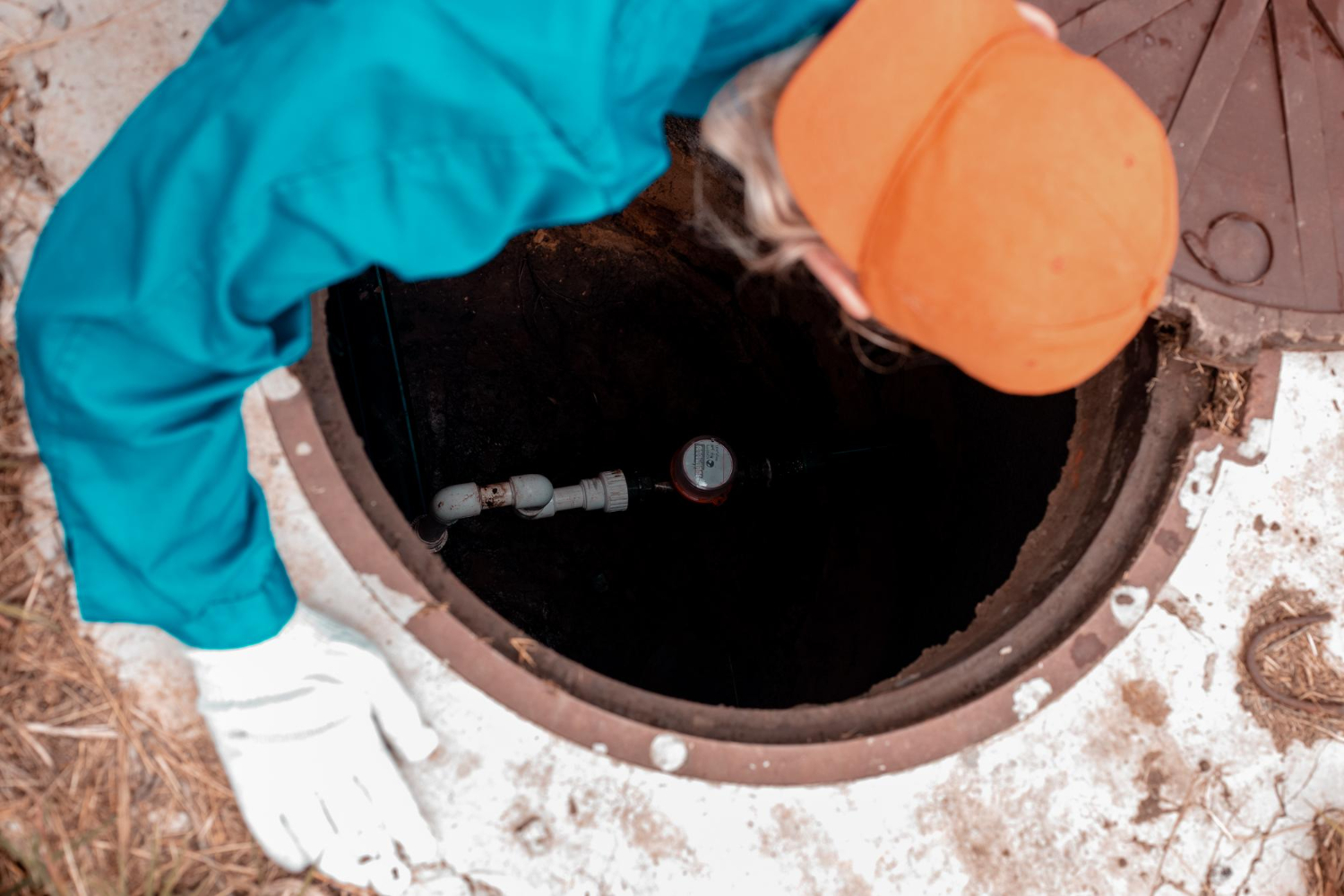
When odors are detectable outside the home specifically near the septic tank access lid, typically a concrete or plastic lid at ground level, or at the top of a riser pipe, the cause is usually one of two things: the tank is venting gas through gaps in the lid seal, or the lid or riser has cracked and is no longer providing an airtight cover.
Both conditions point toward a tank that either has gas pressure exceeding what the normal vent pathway can handle, or has deteriorated to the point where the physical containment is compromised.
A tank venting gas through its lid is typically a tank that needs service. Dutchess County NY Septic Tank Cleaning and pumping, along with an inspection of the lid and riser condition, addresses both the immediate gas pressure issue and the physical containment problem. Lids and risers that have cracked or deteriorated are replaced as part of the service process.
Seasonal Odor Patterns Near the Tank
Some property owners in Dutchess County notice that odors near the tank area appear seasonally, particularly in spring and fall. This is a recognized pattern related to atmospheric pressure and temperature differentials.
During temperature inversions, conditions where warm air at ground level is trapped beneath cooler air above, sewer gases that would normally disperse upward from the roof vent are pushed back downward. In these conditions, gases that exit the vent stack at rooftop level can drift down to ground level, creating odors near the tank and drain field area that aren’t actually escaping from the system itself. These odors typically clear as weather conditions change and aren’t an indicator of system failure.
However, if the odors persist beyond a day or two, or if they’re accompanied by other warning signs like slow drains or wet spots in the yard, professional evaluation is appropriate. Seasonal atmospheric conditions can mask a developing problem by providing a convenient explanation for what is actually a system-generated odor.
Odors Over the Drain Field: The Most Serious Presentation
What Surfacing Effluent Smells Like, and What It Means
Sewage odors detected over the drain field area, the portion of the yard where the perforated pipes disperse treated effluent into the soil, represent the most concerning odor presentation a property owner can encounter. Unlike odors from a dry trap or a blocked vent, drain field odors typically indicate that the system is failing in a way that has public health implications.
The drain field functions as the final treatment stage of the septic system. Effluent from the tank percolates through the soil in the drain field trenches, where naturally occurring bacteria complete the treatment process by removing pathogens before the water reaches the groundwater table. When odors are detectable above the drain field, it means that partially treated or untreated effluent is surfacing, reaching the ground surface rather than filtering through the soil as designed.
This happens when the soil in the drain field trenches has lost its ability to absorb incoming effluent. The most common cause is biomat formation, the accumulation of organic material and bacterial growth that clogs the soil pores over time, reducing drainage capacity until the soil can no longer accept the volume of effluent arriving from the tank. A tank that has gone too long without pumping accelerates biomat development by allowing solids to flow into the drain field with the effluent.
The EPA’s SepticSmart program identifies surfacing effluent as a public health concern, not just a property management issue. Partially treated wastewater at the surface contains pathogens that pose risks to humans and animals who come into contact with it, and to nearby water sources if surface runoff carries it off the property.
When Drain Field Odors Require Immediate Professional Response
Drain field odors accompanied by wet or spongy ground, lush green grass over the trench lines, or visible liquid pooling on the surface should be treated as an urgent situation requiring professional assessment. A Dutchess County NY Septic Tank Inspection can determine whether the problem originates in the tank, a deferred pump-out that has sent solids into the drain field, or in the drain field itself.
Depending on the extent of damage, drain field repairs and installations ranging from targeted pipe replacement to full drain field expansion or relocation may be the appropriate response. The New York State Department of Health guidelines on residential wastewater systems address the remediation requirements for failing drain fields, including permitting and soil assessment requirements for replacement systems in Dutchess County.
Chemical and Bacterial Causes of Unusual Odors
When Household Products Change How the System Smells
Not all septic odors indicate system failure. Sometimes the character of the odor, a sharper chemical smell rather than the organic sulfur smell of normal sewer gas, points toward a disruption in the tank’s biological environment rather than a physical system problem.
Septic tanks function through the activity of naturally occurring anaerobic bacteria that break down organic waste. When large quantities of antibacterial products, bleach, chemical drain cleaners, or other disinfectants enter the system, they kill portions of that bacterial population. A tank with a disrupted bacterial community doesn’t process waste as efficiently, and the changed composition of gases produced by incomplete decomposition can result in odors that smell differently than a normally functioning tank.
The CDC’s resources on onsite wastewater treatment address the relationship between household chemical use and septic system biological health, noting that protecting the microbial community inside the tank is essential to effective waste treatment and odor control.
Common household contributors to bacterial disruption:
- Antibacterial soaps and cleaning products used in large quantities
- Bleach-based toilet bowl cleaners flushed directly into the system
- Chemical drain openers, among the most damaging products for septic bacteria
- Large amounts of laundry detergent, particularly powder formulas with bleaching agents
- Garbage disposal use, which introduces high volumes of food solids that can overwhelm bacterial capacity
Reducing or eliminating these inputs typically allows the bacterial population to recover over time. If odors have been persistent and the tank has been subjected to heavy chemical use, Dutchess County NY Septic Tank Pumping removes the disrupted tank contents and gives the system a biological reset.
New System Smells: What’s Normal After Installation
Breaking In a New Septic Tank
Property owners who have recently had a new system installed, or who have moved into a home shortly after a new installation, sometimes notice mild odors during the first weeks of use. This is generally normal and not a cause for concern.
A newly installed tank doesn’t yet have an established bacterial population. The biological community that will eventually populate the tank and process waste efficiently develops over time as waste enters the system. During this establishment period, incomplete initial decomposition can produce mild odors that dissipate as the bacterial population matures.
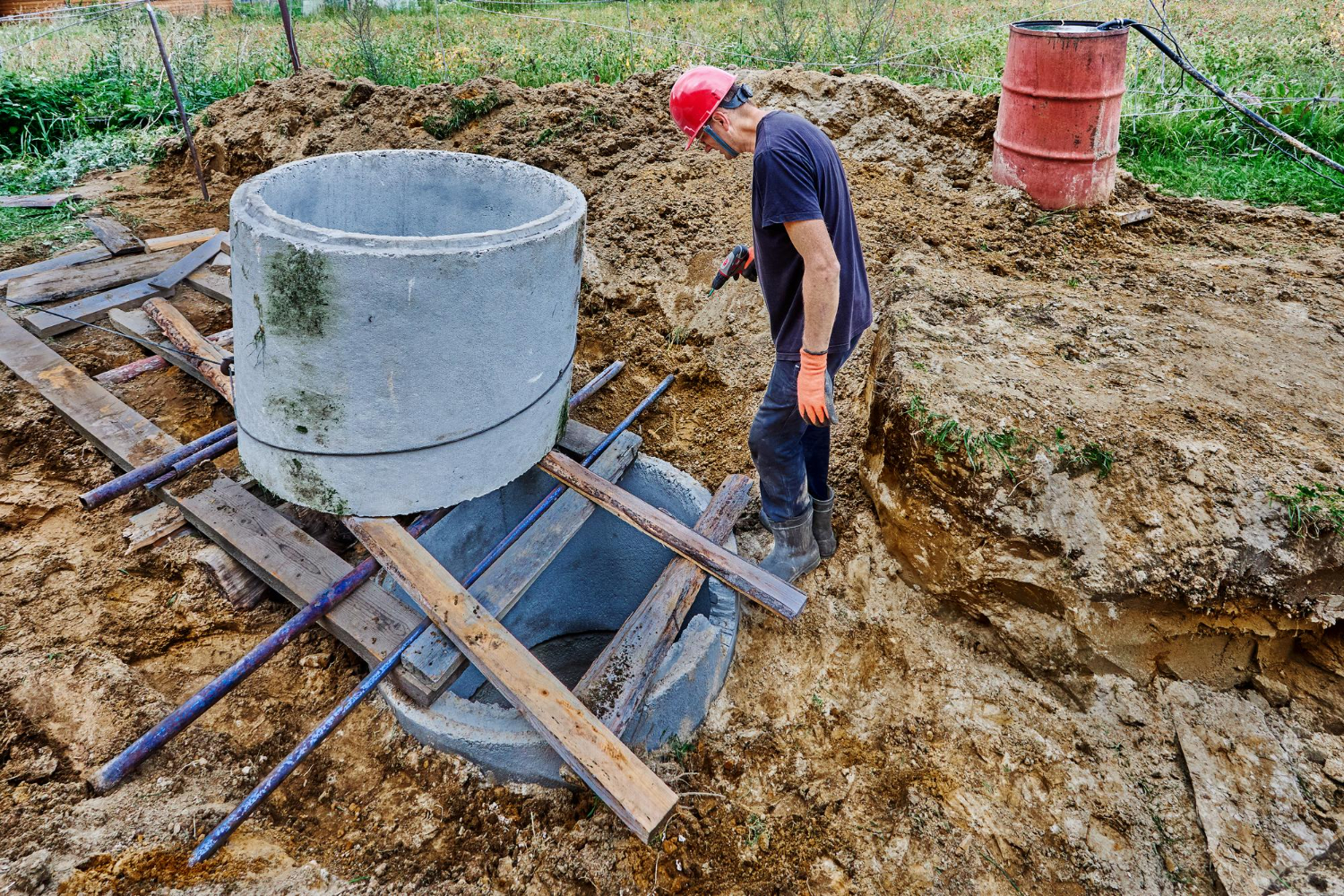
Dutchess County NY Septic Tank Installation by qualified professionals includes guidance on what to expect during the system’s initial period of use and what conditions would indicate something is actually wrong versus simply reflecting normal biological establishment. If odors during this period are strong, persistent, or accompanied by slow drainage, professional assessment is warranted to confirm that the installation is performing as designed.
A Practical Odor Diagnosis Framework
For property owners trying to identify the source of a septic odor, the location and timing of the smell provide the most useful diagnostic clues:
Odor inside the home, near specific drains only: Likely a dry trap, run water through the fixture to refill the trap seal.
Odor inside the home, affecting multiple lower-level areas: Likely a full tank with backpressure, a blocked vent stack, or a deteriorated pipe connection. Professional evaluation recommended.
Odor outside, near tank access lid only: Likely a tank venting gas through a deteriorated lid or one nearing capacity. Pumping and lid inspection appropriate.
Odor outside, over the drain field area: Potentially surfacing effluent, urgent professional assessment needed.
Odor appears seasonally and clears quickly: May be atmospheric inversion pushing roof vent gases downward. Monitor for persistence and additional symptoms.
Unusual chemical or “sharp” odor rather than organic sewage smell: Likely bacterial disruption from household chemical use. Evaluate product inputs and consider a pump-out to reset the tank environment.
Understanding which category a specific odor situation falls into helps property owners respond appropriately, quickly when the situation warrants urgency, and calmly when the cause is minor and self-correcting.
 Dubb
Dubb