
The Post-Renovation Problem Most Homeowners Miss
Home renovations are exciting. A new kitchen, updated bathrooms, fresh flooring, or an expanded living space can transform how a property looks, feels, and functions. But once the contractors pack up and the dust settles, literally, most homeowners shift their attention to decorating, not to what’s happening inside their walls, ceilings, and duct systems.
Renovation work generates extraordinary amounts of airborne particulate matter. Drywall dust, insulation fibers, sawdust, adhesive vapors, and construction debris don’t simply fall to the floor and stay there. They migrate. They travel through return air openings, settle into duct lining, accumulate on register grilles, and get pulled through the air handler every time the HVAC system runs. What enters the duct system during a renovation doesn’t leave on its own, it stays, recirculates, and affects the indoor environment long after the last contractor has gone.
This is the post-renovation problem that most homeowners in Orlando and across Central Florida don’t account for in their project budgets or timelines. The renovation itself is planned carefully. The aftermath, specifically the condition of the air distribution system that will circulate air through the finished space for years to come, is almost never addressed with the same deliberateness.
Expert duct and ventilation services after a home renovation aren’t a luxury add-on. They’re a logical and necessary step in completing the project properly.
What Happens to a Duct System During Renovation
To understand why professional service matters after renovation work, it helps to understand what renovation activity actually does to a duct system in practical terms.
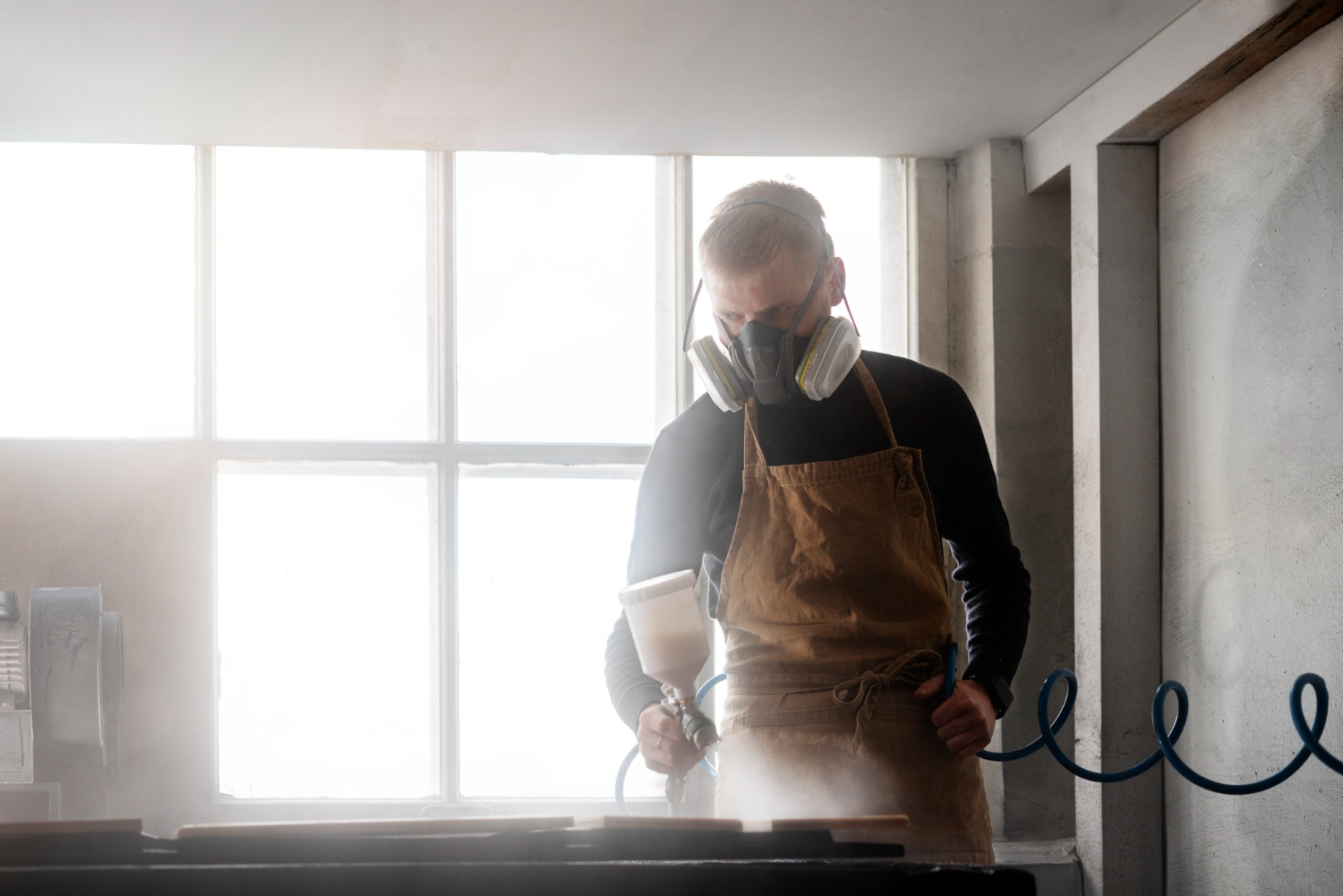
Drywall work is one of the most significant contributors. Cutting, sanding, and finishing drywall produces fine calcium sulfate dust that remains airborne for extended periods. This dust infiltrates return air openings, which are often left uncovered during active construction, and coats the interior surfaces of duct runs. Unlike coarser debris, drywall dust adheres to duct liner materials and doesn’t dislodge easily with normal airflow.
Insulation work introduces fiberglass or cellulose fibers into the air. These fibers are light enough to remain suspended for hours after disturbance. In properties where renovation includes attic work or wall cavity insulation, fibers can enter the duct system directly through penetrations, register openings, or improperly sealed connections.
Paint, adhesives, and chemical sealants release volatile organic compounds, or VOCs, during application and curing. The U.S. Environmental Protection Agency identifies VOCs as a significant indoor air quality concern, noting that concentrations indoors can be two to five times higher than outdoor levels, and significantly higher in the days following renovation activity. When the HVAC system runs during or immediately after painting and finishing work, it draws these compounds through the return system and distributes them through supply registers.
Demolition work, removing old flooring, cabinetry, tile, or wallboard, disturbs decades of accumulated dust and, in older properties, potentially hazardous materials including mold, lead paint dust, and asbestos fibers. These materials become airborne during demolition and can enter duct systems that were never designed to filter construction-level particulate loads.
The cumulative effect of these inputs is a duct system that, by the time renovation is complete, contains a substantially higher contamination load than it did before the project began.
Why Renovation Dust and Debris Demands Professional Attention
Does renovation work contaminate air ducts?
Yes, significantly. Construction activity generates drywall dust, wood particles, insulation fibers, and chemical vapors that enter return air openings and settle inside duct runs during renovation. The HVAC system, if operated during or after construction without duct protection measures, distributes this material through supply registers into every finished room. Standard air filters are not rated to capture the volume and variety of particulate introduced during renovation work.
Can renovation debris in ducts cause health problems?
According to the Centers for Disease Control and Prevention, exposure to mold, dust, and airborne particulate can cause respiratory irritation, aggravate asthma, and produce symptoms in otherwise healthy individuals. When renovation disturbs older building materials, including materials containing mold, lead, or asbestos, and those materials enter a duct system, the health risk extends well beyond temporary discomfort. Continuous recirculation of contaminated air through a finished, occupied space represents a sustained exposure condition.
How soon after renovation should duct cleaning be scheduled?
Professional duct cleaning should be scheduled after all renovation work is fully complete and the property has been vacuumed and surface-cleaned, but before extended occupancy of the finished space. Cleaning while work is still active recontaminates the system. Waiting months after occupancy allows fine particulate to compact inside duct lining and increases the period during which occupants are exposed to recirculated renovation debris.
Is a dryer vent affected by renovation work?
In renovation projects that involve laundry area modifications, utility closet changes, or any work near the dryer vent termination point, the exhaust pathway can be inadvertently compressed, disconnected, or blocked by construction materials. Even in renovations that don’t directly involve the laundry area, airborne debris can accumulate in the dryer vent exterior cap and reduce exhaust airflow. A post-renovation inspection of the dryer vent is a straightforward protective step.
The Role of Professional Duct Cleaning After Construction
Professional duct cleaning is not the same as running a vacuum attachment through accessible register openings. A thorough post-renovation duct cleaning addresses the full system, supply runs, return runs, plenums, and the air handler cabinet, using equipment and methods that remove fine particulate from duct surfaces without releasing it back into the occupied space.
Duck Squad Orlando provides Duct Cleaning service Orlando using negative air extraction combined with rotary agitation, a method that creates suction at a central point in the system while brushes dislodge material from duct wall surfaces, pulling it toward collection rather than dispersing it into the finished space. For post-renovation scenarios, this method is particularly important because drywall dust and insulation fibers adhere to duct liner surfaces in ways that airflow alone cannot dislodge.
A post-renovation duct cleaning also serves as a full system inspection. The technician assesses register condition, checks for duct connections that may have been disturbed during renovation work, and identifies any supply or return runs that show unusual accumulation suggesting a breach or improperly sealed penetration from construction activity. This inspection produces a documented baseline, a record of the duct system’s condition at the completion of the renovation project, that supports future maintenance planning.
For Orlando homeowners and commercial property operators, this documentation is practically useful. Insurance claims, property sales, and property management compliance reviews increasingly require evidence of maintained building systems. A post-renovation duct cleaning report establishes that the air distribution system was professionally serviced at the conclusion of the construction phase.
Insulation After Renovation: Why It Matters More Than Most Owners Realize
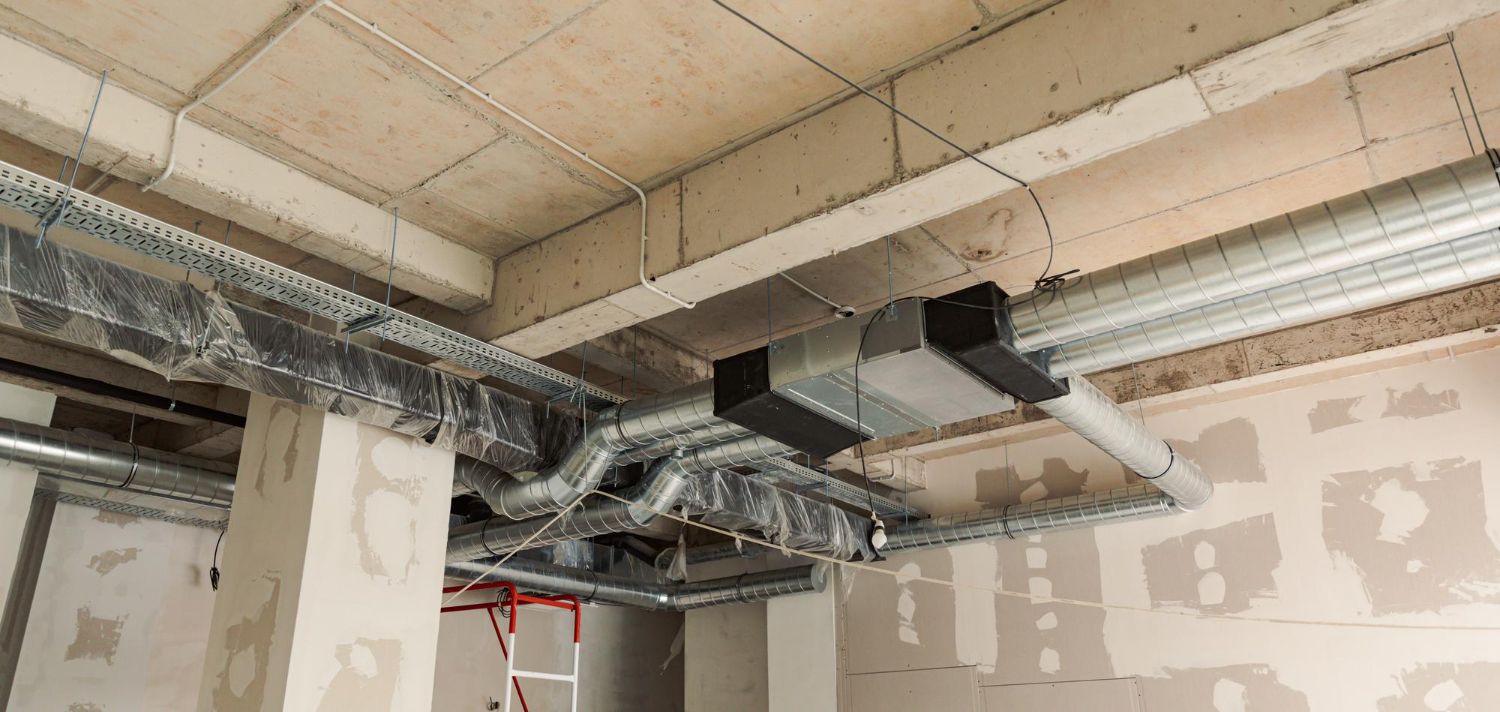
Renovation projects frequently disturb existing duct insulation, sometimes deliberately, as part of an HVAC update, and sometimes incidentally, as a consequence of attic access, ceiling work, or wall cavity modifications. When duct insulation is disturbed and not restored, the consequences extend well beyond comfort.
The U.S. Department of Energy identifies duct leakage and inadequate insulation as among the most significant contributors to HVAC energy loss in residential buildings, accounting for 20 to 30 percent of energy consumed by heating and cooling systems in some cases. In Central Florida’s climate, where attic temperatures regularly exceed 130 degrees Fahrenheit during summer months, duct runs without adequate insulation lose a significant portion of their conditioned air temperature before it reaches the supply registers.
This energy loss has a direct cost consequence. An HVAC system working to compensate for thermally inefficient duct runs runs longer cycles, consumes more electricity, and reaches the end of its service life faster. For a homeowner who has just invested in a substantial renovation, allowing that investment to underperform because duct insulation wasn’t addressed is a straightforward avoidable cost.
Duck Squad Orlando’s Ductwork Insulation Installation Orlando service addresses this directly. After renovation work that has disturbed attic runs, wall cavity duct sections, or plenum connections, Duck Squad Orlando inspects the full insulation condition, replacing deteriorated or disturbed wrap, sealing connections that have separated, and applying insulation values appropriate to the specific attic and environmental conditions of the property. The result is a duct system that performs as the HVAC equipment was designed to perform, not as a thermally compromised version of it.
For homeowners completing major renovations in established Orlando neighborhoods, Winter Park, Oviedo, Altamonte Springs, and Winter Garden among them, where duct systems may already be approaching the end of their designed service life, a post-renovation insulation assessment often reveals conditions that renovation activity made visible but didn’t create. Addressing them at the conclusion of a renovation project is far more cost-effective than scheduling a separate service call months later when comfort problems become undeniable.
Dryer Vent Cleaning as Part of a Complete Post-Renovation Service
Renovation projects that involve laundry rooms, utility closets, or any interior wall work adjacent to the dryer vent pathway deserve a specific post-renovation evaluation of the exhaust system. Dryer vent lines run through wall cavities and terminate at exterior walls or rooftop caps — locations that are frequently accessed, modified, or incidentally disturbed during construction activity.
A dryer vent that has been kinked, partially blocked by insulation material, or had its termination cap damaged during exterior renovation work will not exhaust properly. The consequences are well-documented: extended drying times, elevated fire risk from lint accumulation in a restricted vent, and moisture forced back into the laundry area when the exhaust pathway is compromised.
Duck Squad Orlando’s Dryer Vent Cleaning service In Orlando covers the full exhaust pathway, from the appliance connection through the wall run to the exterior termination point. For post-renovation properties, this service includes a condition assessment of the termination cap, verification that the duct run has not been compressed or disconnected during construction activity, and full cleaning of any lint or debris present in the line. Properties where the laundry area was part of the renovation scope should treat dryer vent inspection as a mandatory final step before returning the appliance to regular use.

Orlando’s Construction Environment and What It Means for Post-Renovation Service
Central Florida’s construction pace is among the most active in the country. Orange County and its surrounding communities — including Windermere, Lake Nona, Dr. Phillips, Ocoee, and the broader metro area — see continuous renovation and new construction activity driven by population growth, tourism infrastructure investment, and the ongoing upgrade cycle in established residential neighborhoods.
This construction environment means that post-renovation indoor air quality is a recurring issue for a large share of Orlando-area property owners at any given time. Properties undergoing kitchen and bathroom remodels, additions, flooring replacement, and HVAC upgrades all generate the duct contamination conditions described throughout this article, and all benefit from the same professional response.
For short-term rental operators and hospitality properties near International Drive and the broader tourism corridor, the timeline pressure is particularly acute. A renovation that improves the property’s appeal to guests also contaminates the duct system that will deliver air to those guests from the first night of occupancy. Post-renovation duct service is both a quality assurance measure and a property management responsibility in this context.
Duck Squad Orlando serves residential and commercial properties throughout Orange County and the surrounding metro area, including single-family homes, multifamily properties, short-term rentals, and commercial buildings of all sizes. Their team is experienced with the post-renovation service timeline, understands the construction activity patterns common to Central Florida’s building environment, and provides clear, documented service records that property owners can retain as part of their renovation project file.
A Post-Renovation Checklist for Orlando Property Owners
Completing a renovation without addressing the air distribution system is like refinishing hardwood floors but leaving the subfloor damaged beneath them. The visible result looks correct. The underlying condition tells a different story.
A responsible post-renovation checklist for any Orlando property that includes duct system exposure during construction should include: a professional duct cleaning of all supply and return runs after construction is fully complete; an inspection of duct insulation condition, particularly on attic runs disturbed during the project; a dryer vent inspection and cleaning if the laundry area or adjacent walls were part of the renovation scope; and documentation of all services completed, retained as part of the permanent property record.
Each of these steps is available through Duck Squad Orlando as a standalone service or as a combined post-renovation package.
Contact Duck Squad Orlando After Your Renovation Is Complete
Orlando homeowners and property operators who have recently completed renovation work, or who are planning a project and want to build post-construction air system service into the project timeline, can reach Duck Squad Orlando for a free consultation and estimate.
Duck Squad Orlando’s team inspects the full duct system, evaluates insulation condition, and assesses dryer vent pathway integrity before recommending any service scope. Estimates are provided before work begins. Documentation is provided after service is complete.
To schedule a post-renovation duct system assessment, contact Duck Squad Orlando at (321) 655-4800 or visit ducksquadorlando.com/contact. Duck Squad Orlando serves Orange County and surrounding communities including Windermere, Lake Nona, Dr. Phillips, Ocoee, Winter Park, Oviedo, Altamonte Springs, and the greater Central Florida metro area.

 Dubb
Dubb