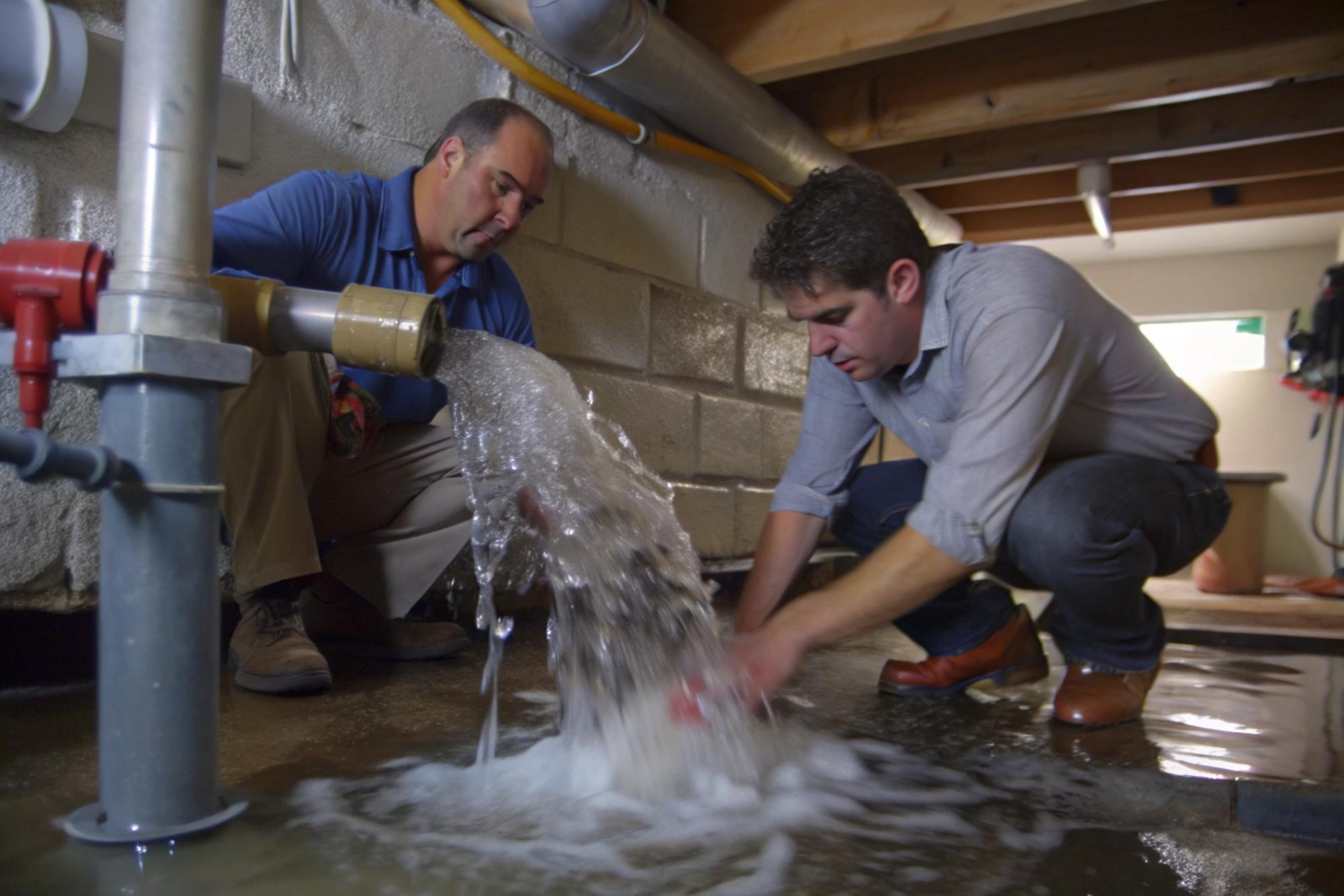
Water heaters are among the most essential yet overlooked systems within residential and commercial properties. While often hidden in garages, utility closets, or mechanical rooms, their performance directly affects daily comfort, operational efficiency, and long-term energy costs. When systems fail unexpectedly, property owners frequently require emergency plumbing services Orlando to restore access to hot water quickly.
One of the most common infrastructure decisions involves choosing between traditional storage tank water heaters and tankless (on-demand) systems. Industry experts emphasize that both technologies offer advantages and limitations. The optimal solution depends on usage patterns, property size, installation conditions, and long-term goals.
This educational analysis examines how each system works, compares benefits and drawbacks, addresses frequently asked questions, and explores considerations specific to Orlando, Florida.
Understanding How Tank Water Heaters Work
Traditional storage tank water heaters operate by heating and storing a set volume of water within an insulated tank. Most residential models hold between 30 and 80 gallons. Water remains heated continuously, and when a faucet is turned on, hot water is drawn from the top of the tank while cold water enters the bottom to be reheated.
Advantages of Tank Water Heaters
- Lower upfront installation cost
• Simpler replacement process in existing setups
• Reliable hot water for moderate simultaneous use
• Widespread familiarity among technicians
For properties already equipped with tank systems, replacement typically requires minimal structural modification. Professionals offering plumbing services Orlando often note that conventional systems remain common due to accessibility and predictable performance.
Disadvantages of Tank Water Heaters
- Limited supply based on tank size
• Standby energy loss from maintaining heated water
• Larger physical footprint
• Risk of tank rupture over time
When sediment accumulates inside tanks, heating efficiency decreases. In some cases, deterioration can lead to leaks requiring Orlando Water Heater repairs.
Understanding How Tankless Water Heaters Work
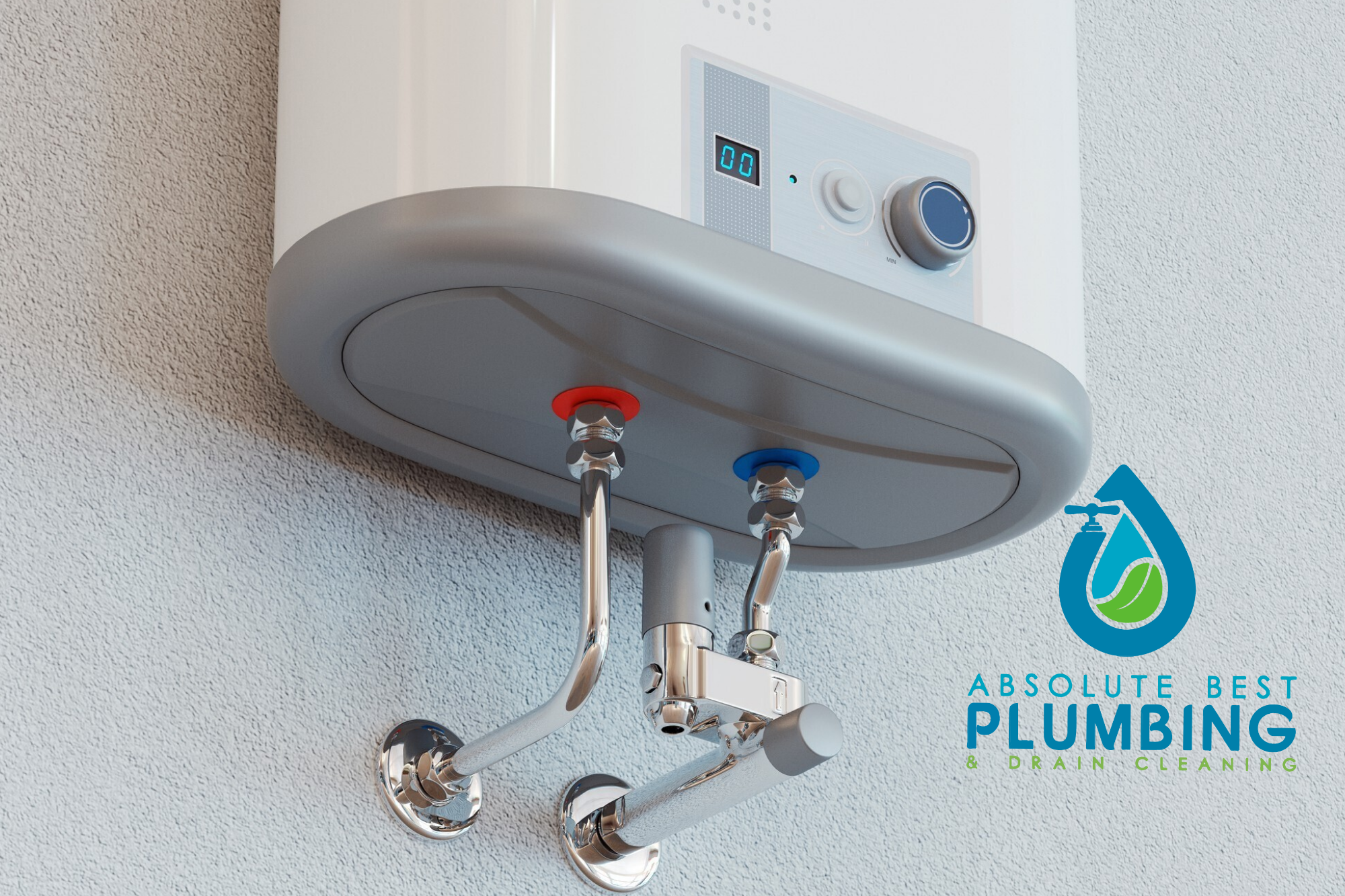
Tankless water heaters heat water only when needed. When a hot water tap is activated, cold water flows through a heat exchanger, where it is rapidly heated before being delivered to the fixture.
Because no storage tank is involved, water is not continuously reheated.
Advantages of Tankless Systems
- Continuous hot water supply
• Reduced standby energy loss
• Compact wall-mounted design
• Longer potential lifespan
The U.S. Department of Energy – Water Heating explains that tankless systems can be more energy-efficient for homes that use less than 41 gallons of hot water daily.
In properties with limited space, tankless systems free up utility room capacity.
Disadvantages of Tankless Systems
- Higher upfront installation cost
• Possible need for electrical or gas line upgrades
• Flow rate limitations during simultaneous use
• More complex installation requirements
In some retrofit scenarios, upgrading gas lines or electrical capacity may be necessary. Professionals providing plumbing services Orlando often evaluate infrastructure readiness before installation.
Energy Efficiency Considerations
Energy efficiency is one of the most discussed factors when comparing tank and tankless water heaters. Traditional tank systems continuously heat stored water to maintain a preset temperature. This process creates what experts refer to as standby heat loss, meaning energy is consumed even when no hot water is actively being used. Over time, that continuous reheating contributes to higher energy consumption, particularly in households with inconsistent usage patterns.
Tankless systems operate differently. They heat water only when a fixture demands it. According to the U.S. Department of Energy – Water Heating , on-demand systems can be 24%–34% more energy efficient for homes that use lower volumes of hot water daily. By eliminating standby losses, tankless units reduce unnecessary energy waste.
However, efficiency is not universal. In properties with high simultaneous demand, tankless systems may require multiple units, which can offset efficiency gains. ENERGY STAR – Residential Water Heaters emphasizes that proper sizing is critical for achieving projected savings.
Professionals offering plumbing services Orlando often conduct demand calculations before recommending a system, ensuring that efficiency projections align with real-world usage. Ultimately, energy performance depends on consumption habits, system sizing, and maintenance discipline rather than system type alone.
Installation Requirements and Structural Considerations
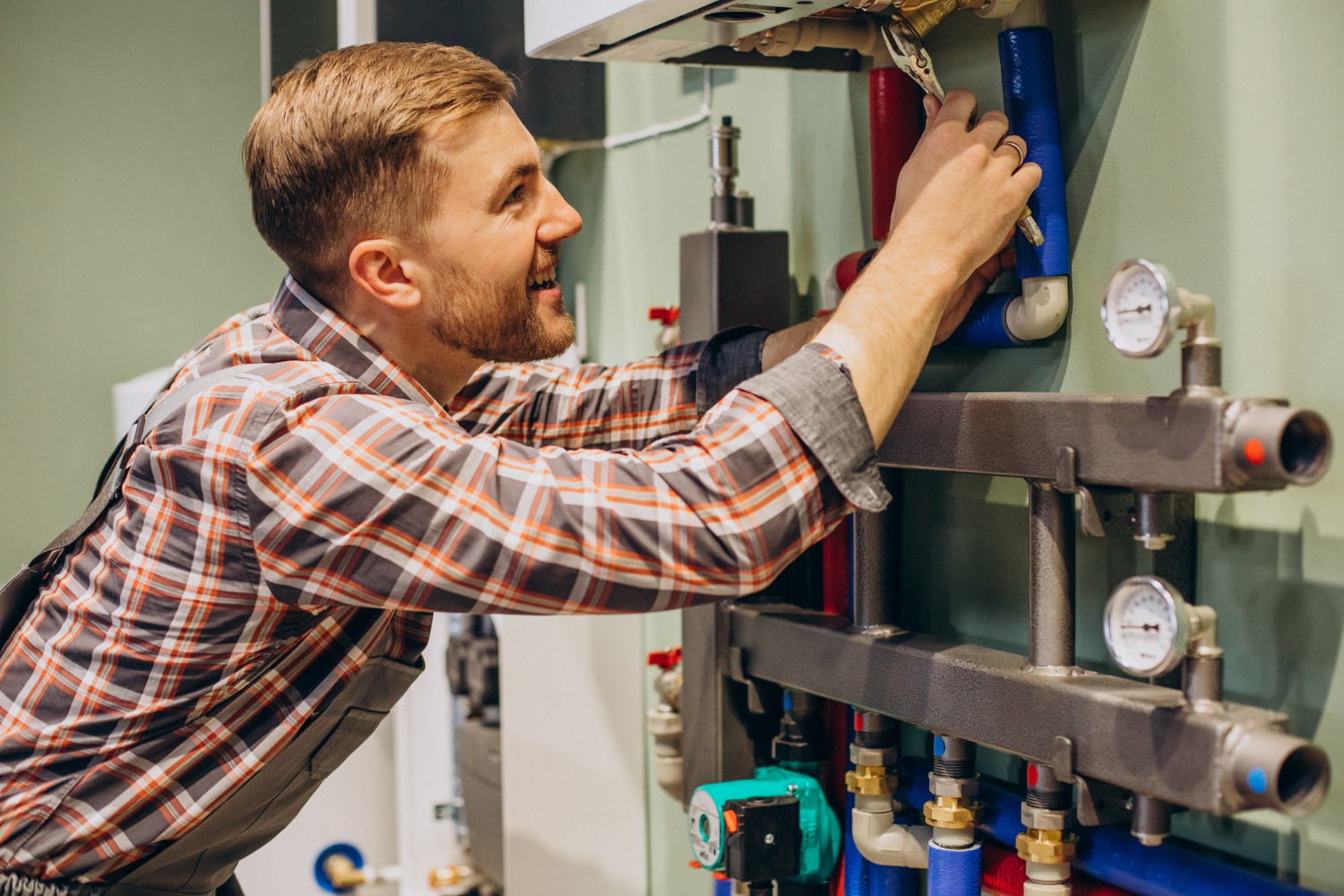
Installation complexity differs significantly between tank and tankless systems. Replacing an existing tank water heater with a similar model is typically straightforward, as the plumbing connections, venting systems, and gas or electrical supply lines are already configured for that type of unit.
By contrast, converting from a tank to a tankless system often requires infrastructure evaluation. Gas-powered tankless units typically demand higher BTU capacity than conventional tanks. This may necessitate upgrading gas lines or modifying venting systems to meet code requirements. Electric tankless systems may require upgraded electrical panels to handle increased load demands.
Professionals conducting Orlando Water Heater repairs frequently assess venting compliance, clearance spacing, and structural support before recommending system changes. Improper venting can reduce efficiency and create safety risks.
In older properties, outdated plumbing materials may also require pipe replacement Orlando to ensure compatibility with modern equipment. Additionally, water pressure regulators may need adjustment to accommodate system specifications.
Installation planning must account for ventilation, gas supply, electrical capacity, drainage access, and local building code compliance. Experts emphasize that structural readiness plays a decisive role in determining whether a tankless conversion is practical or cost-effective.
Lifespan Comparison
Lifespan differences between tank and tankless water heaters are frequently cited in infrastructure planning discussions. Traditional tank systems typically last between 8 and 15 years, depending on maintenance practices and water quality conditions. Corrosion within the tank is the primary limiting factor, as prolonged exposure to heated water gradually degrades interior surfaces.
Tankless systems, by contrast, often have projected lifespans ranging from 15 to 25 years. Because they do not store water continuously, they are less susceptible to internal corrosion caused by standing heated water. However, longevity depends heavily on mineral content and maintenance routines.
In regions with hard water, scale buildup can reduce the efficiency of tankless heat exchangers. Without descaling, performance may decline prematurely. Similarly, tank systems without periodic flushing may accumulate sediment that accelerates wear.
Professionals providing plumbing services Orlando often recommend routine inspections to extend service life for either system. Experts consistently note that projected lifespan figures assume consistent maintenance, proper installation, and compatible water chemistry.
Ultimately, tankless systems generally offer longer operational life, but maintenance and environmental factors significantly influence real-world performance outcomes.
Maintenance Requirements
Maintenance plays a decisive role in preserving both efficiency and longevity. Tank water heaters require annual flushing to remove sediment accumulation at the bottom of the tank. Over time, sediment can insulate the heating element, reducing efficiency and increasing strain on internal components. Inspection of the anode rod is also essential, as this component helps prevent internal corrosion.
Tankless systems require descaling to remove mineral buildup within the heat exchanger. In areas with high mineral content, this maintenance may be required annually. Filter cleaning and inspection of internal components also help preserve performance.
When neglected, both systems may fail unexpectedly. In such situations, emergency plumbing services Orlando may be required to restore functionality.
Maintenance requirements should be factored into lifecycle planning. Although tankless systems may operate longer overall, they demand regular descaling to maintain efficiency. Tank systems require sediment flushing and inspection of pressure relief valves.
Experts emphasize that system type does not eliminate maintenance responsibility. Long-term reliability depends on consistent preventative care, regardless of technology selection.

Water Usage Patterns and Demand
Water usage patterns strongly influence system suitability. In smaller households with staggered water usage, tank systems often perform reliably. However, if multiple fixtures operate simultaneously, such as showers, dishwashers, and washing machines, the stored hot water supply may be depleted.
Tankless systems eliminate the limitation of stored volume, but they are not unlimited in capacity. Each unit has a maximum flow rate measured in gallons per minute. If multiple high-demand fixtures operate at once, water temperature may fluctuate unless the system is properly sized.
Professionals providing plumbing services Orlando frequently calculate expected peak demand before recommending installation. In commercial properties such as salons, restaurants, or multi-unit housing, high-volume usage may require multiple tankless units installed in parallel.
Demand calculations must consider fixture count, occupancy, and usage timing. Experts consistently stress that accurate demand forecasting prevents performance issues and improves long-term satisfaction with either system type.
Environmental and Water Conservation Factors
Water heater selection intersects with broader environmental considerations. While tankless systems reduce standby energy loss, overall environmental impact depends on fixture efficiency and water consumption habits.
The EPA WaterSense program highlights the importance of water-efficient fixtures in reducing overall consumption. Upgrading faucets and showerheads complements improvements in water heating efficiency.
Fixture improvements performed through faucet repair installation Orlando may reduce hot water demand, indirectly supporting energy savings regardless of heater type.
Environmental impact also includes manufacturing footprint and equipment lifespan. Longer-lasting systems reduce material waste over time.
Experts emphasize that sustainability requires a holistic approach. Water heaters, supply lines, and fixtures function as an integrated system. Selecting high-efficiency equipment while maintaining water conservation practices supports reduced environmental impact and improved resource management.
Space and Structural Constraints
Physical space plays an important role in system selection. Tank water heaters require dedicated floor space and sufficient clearance for maintenance access. In compact properties, this footprint may limit utility room storage capacity.
Tankless units are wall-mounted and significantly smaller, making them attractive in condominiums or homes with limited mechanical space. However, wall-mounted installation requires structural support and proper venting pathways.
Professionals conducting Orlando Water Heater repairs often evaluate wall composition, ventilation routes, and gas line access before recommending tankless installation.
Although tankless units save space, installation complexity may increase if structural modifications are required. Clearance codes must also be followed to ensure safe operation.
Space constraints can influence feasibility, but structural compatibility ultimately determines whether a conversion is practical.
Cost Analysis: Upfront vs Long-Term
Upfront installation costs for tank systems are typically lower than tankless systems. Replacement of an existing tank heater often requires minimal modification, reducing labor expenses.
Tankless systems, however, may require upgraded gas lines, venting adjustments, or electrical modifications, increasing initial investment. Over time, energy savings may offset some of the higher installation cost, particularly in lower-demand households.
Lifecycle cost analysis includes: Installation cost, energy consumption, maintenance frequency, expected lifespan.
Professionals offering plumbing services Orlando often evaluate long-term financial implications rather than focusing solely on initial expense.
Experts consistently emphasize that financial decisions should account for projected energy savings, maintenance responsibilities, and durability expectations.
Common Causes of Failure
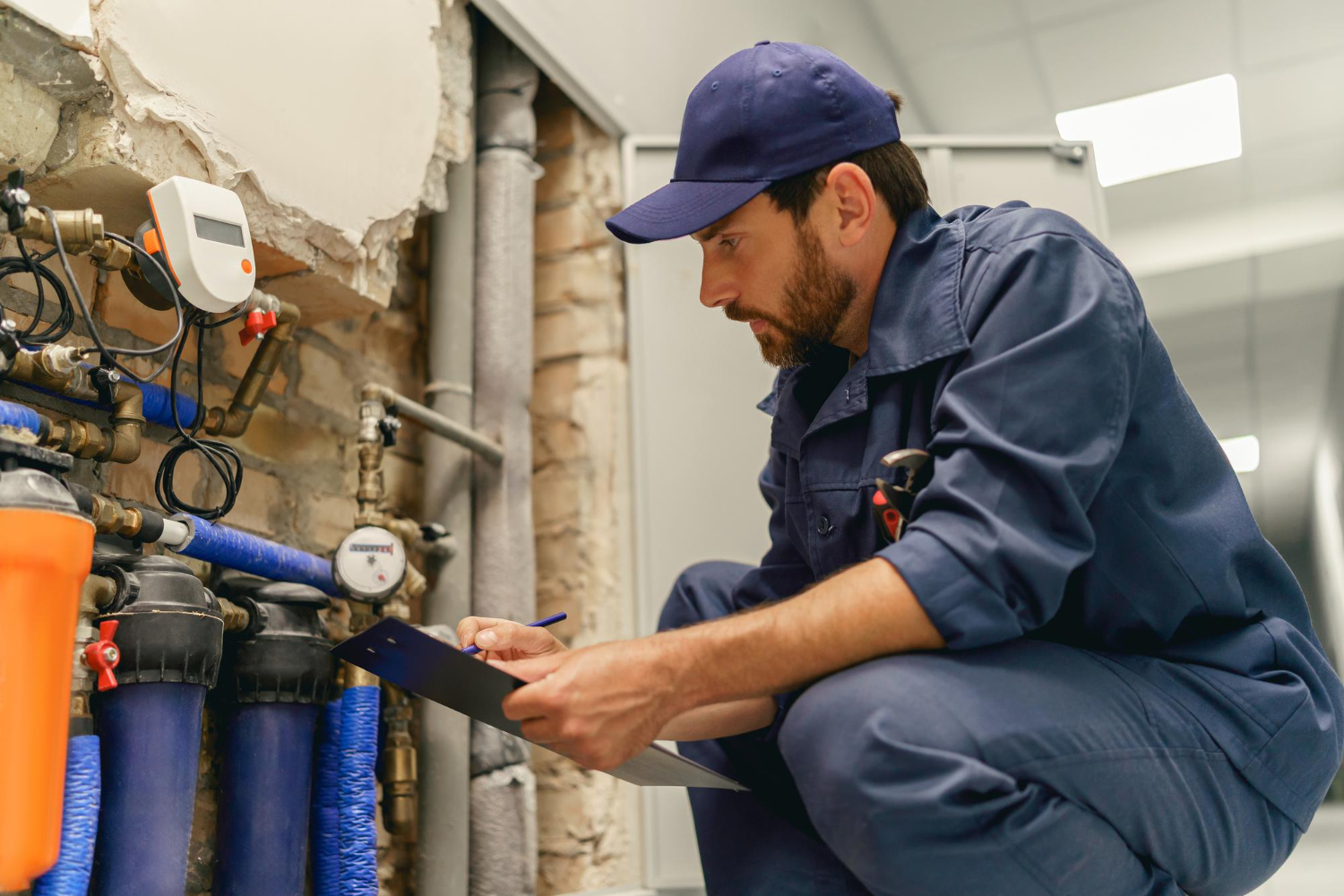
Tank systems most commonly fail due to internal corrosion, sediment accumulation, and pressure imbalances. Over time, rust weakens the tank lining, leading to leaks.
Tankless systems may fail due to scale buildup, sensor malfunction, or electrical component degradation. Mineral accumulation inside the heat exchanger reduces efficiency and can trigger error codes.
Supply line deterioration may also contribute to performance issues, sometimes requiring water line repair service Orlando.
Failure often occurs gradually rather than suddenly. Warning signs include inconsistent water temperature, unusual noises, visible corrosion, or increased utility costs.
Experts emphasize early intervention to prevent escalation into major system failure.
Frequently Asked Questions
Which system is more energy efficient?
Tankless systems typically reduce standby heat loss, but actual savings depend on usage patterns and proper sizing.
Which lasts longer?
Tankless systems generally have longer service life, often exceeding 20 years with consistent maintenance.
Do tankless heaters provide unlimited hot water?
They provide continuous heating, but flow rate limits apply during simultaneous high demand.
Is conversion always possible?
Conversion may require gas line upgrades, electrical panel expansion, or pipe replacement Orlando, depending on existing infrastructure.
Do both systems require maintenance?
Yes. Tank systems require flushing and anode inspection. Tankless systems require descaling and filter cleaning.
Orlando Climate Considerations
Orlando’s climate reduces freeze-related risks common in colder regions. Both tank and tankless systems operate effectively in warm conditions.
However, mineral content in water may require regular descaling. Professionals performing Orlando Water Heater repairs often note mineral accumulation as a primary maintenance factor in Central Florida.
Environmental awareness improves equipment lifespan and efficiency.
When Replacement Is Advisable
Replacement is often considered when systems exceed projected lifespan, require frequent repairs, or show signs of corrosion or leakage.
In severe failure cases, emergency plumbing services Orlando may be required to mitigate property damage.
Proactive replacement reduces structural risk and operational disruption.
Broader Infrastructure Planning
Water heater selection should not occur in isolation. Industry professionals consistently emphasize that water heating systems function as one component within a larger plumbing ecosystem. Supply lines, pressure regulators, fixture efficiency, drainage capacity, and water quality management all interact with the performance of a tank or tankless unit.
Before installing or upgrading equipment, comprehensive system evaluation is often recommended. Professionals providing plumbing services Orlando frequently assess pipe material, water pressure stability, fixture age, and existing line capacity to ensure compatibility with the selected water heater system. Installing a high-performance heater without evaluating surrounding infrastructure may result in inconsistent output or accelerated wear on older components.
For example, aging or undersized pipes may restrict flow rates in tankless systems, while sediment-heavy water may reduce efficiency in both technologies. In some cases, broader upgrades such as pipe replacement Orlando may align with long-term modernization strategies.
Infrastructure planning also includes anticipating future needs. Renovations, additional bathrooms, commercial expansion, or increased occupancy can alter hot water demand. Planning for scalability reduces the likelihood of premature equipment replacement.
Experts consistently note that coordinated system evaluation supports energy efficiency, structural durability, and regulatory compliance. A comprehensive infrastructure strategy ensures that water heating upgrades strengthen overall plumbing performance rather than creating isolated improvements.
Long-Term Performance Perspective
Long-term performance in water heating systems results from strategic decision-making rather than reactive response to failure. Experts emphasize that durability, efficiency, and cost stability depend on proactive planning, environmental awareness, and disciplined maintenance practices.
Both tank and tankless systems can deliver reliable service when properly sized and installed. However, long-term outcomes depend on factors such as water chemistry, usage patterns, mineral content, and routine inspection schedules. Neglecting maintenance may shorten lifespan regardless of system type.
When breakdowns occur unexpectedly, emergency plumbing services Orlando may be necessary to prevent property damage. Yet infrastructure specialists consistently stress that many emergency scenarios originate from previously detectable warning signs, such as minor leaks, fluctuating temperatures, or reduced efficiency.
Long-term performance also involves financial planning. Lifecycle cost analysis, including installation, energy consumption, maintenance frequency, and projected lifespan, provides a clearer understanding of overall value. Rather than focusing solely on upfront expense, experts recommend evaluating total operational impact over decades of service.
In climates such as Orlando’s, environmental compatibility further supports longevity. By aligning system type with structural readiness and water quality conditions, property owners improve the likelihood of stable hot water access and reduced operational disruption.
Durable performance is not accidental. It reflects informed infrastructure choices, professional installation standards, and consistent preventative oversight.
 Dubb
Dubb