Water conservation has become one of the most pressing environmental and infrastructure priorities of the 21st century. Across the United States, municipalities, utilities, and regulatory agencies are grappling with the reality that freshwater resources face increasing pressure from population growth, climate variability, and aging infrastructure. Florida is no exception. Despite its reputation for abundant rainfall, Central Florida faces genuine water resource management challenges, driven by rapid population growth, high per-capita water consumption, and the need to protect the Floridan Aquifer system that supplies drinking water to millions of residents.
In this context, licensed plumbing professionals occupy a uniquely influential position. They interact directly with the physical infrastructure through which water is distributed, used, and wasted at the property level. Their technical decisions, what materials to specify, which fixtures to install, how to diagnose and repair leaks, have cumulative conservation consequences that extend far beyond any individual service call. Understanding the role that plumbers play in water conservation helps property owners, policymakers, and the broader public appreciate that conservation is not solely a behavioral challenge. It is fundamentally an infrastructure challenge, and infrastructure is the domain of the licensed plumbing professional.
The Infrastructure Gap Between Conservation Goals and Reality
Water conservation policy in the United States has made significant progress through appliance efficiency standards, public education campaigns, and tiered pricing structures that discourage excessive consumption. But a substantial gap remains between stated conservation goals and actual water use outcomes, and a significant portion of that gap exists within the plumbing systems of existing residential and commercial buildings.
The EPA WaterSense program estimates that the average American household leaks approximately 10,000 gallons of water per year from fixable issues, dripping faucets, running toilets, leaking supply connections, and deteriorating pipe joints. Nationally, household leaks waste nearly 1 trillion gallons annually. This is not water lost to drought or evaporation, it is water that was treated, pressurized, and delivered to properties, only to be wasted through failures in the private plumbing infrastructure that licensed plumbers are trained to assess and repair.
This gap between delivered water and water actually used productively is where the plumber’s conservation role is most direct. Every leak identified and repaired, every aging toilet replaced with a high-efficiency model, every deteriorating supply line restored to integrity, these are measurable conservation interventions with immediate, quantifiable impact on water consumption at the property level.
The Scale of the Opportunity
The conservation opportunity represented by plumbing system improvements at the property level is substantial:
- A single toilet with a failing flapper wastes up to 200 gallons of water per day, more than 70,000 gallons per year from one fixture
- A faucet dripping at one drop per second wastes approximately 3,000 gallons annually
- A leaking supply line or deteriorated pipe joint can waste tens of thousands of gallons before it produces obvious symptoms
- An aging, inefficient water heater wastes both water and the energy used to heat it
Multiplied across millions of properties, these individual fixture and system failures represent a conservation opportunity that dwarfs what behavioral change alone can achieve. And addressing them requires licensed technical expertise, the ability to diagnose the source of loss, specify the appropriate repair or replacement, and implement that solution correctly according to code.
Leak Detection and Repair as a Primary Conservation Function
The most direct conservation contribution of plumbing professionals is the identification and elimination of water losses from leaking pipes, fixtures, and connections. This function encompasses a range of activities from straightforward fixture repair to sophisticated diagnostic investigation of underground infrastructure.
Visible Fixture Leaks
The most accessible conservation interventions involve visible, above-ground fixtures, faucets, toilets, showerheads, and supply connections. Licensed plumbers approach these fixtures not merely as mechanical components to be repaired when they fail completely, but as systems to be assessed for efficiency and water loss at every service interaction.
Professional faucet repair installation Orlando services, for example, address not just the immediate symptom of a dripping tap but the underlying component condition, worn cartridges, deteriorated O-rings, corroded valve seats, that determines whether the repair will hold or whether the fixture will return to leaking within months. Thorough repair eliminates the leak for an extended period, not merely until the next billing cycle.
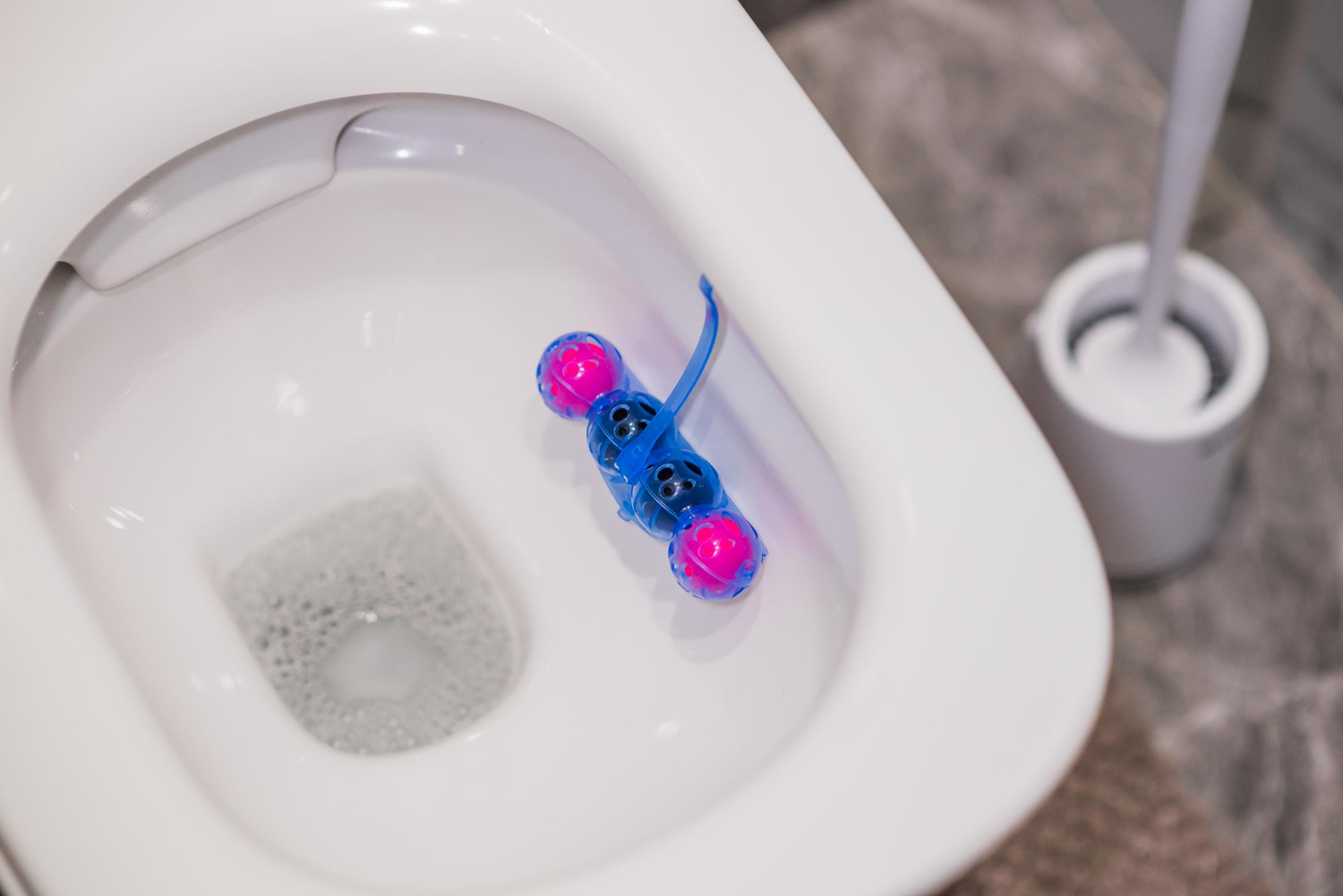
Similarly, toilet assessment and repair represents one of the highest-leverage conservation interventions available to residential plumbing professionals. The toilet is the single largest water user in most homes, and toilet leaks, many of which occur silently through failing flappers and flush valves, are among the most common and most significant sources of residential water waste. Professional Clogged Toilet Repair Services Orlando addresses both the obvious functional failures and the silent internal leaks that property owners often don’t know are occurring.
Underground and Hidden Leaks
A significant portion of residential and commercial water loss occurs in locations that are not immediately visible, inside walls, under slabs, in underground supply lines, and within the sewer lateral infrastructure that carries wastewater away from the property. These hidden losses can persist for months or years without producing obvious surface symptoms, wasting enormous volumes of water while potentially causing structural damage that compounds the initial infrastructure problem.
Licensed plumbers have access to diagnostic technologies, pressure testing, acoustic leak detection, camera inspection, that allow them to locate hidden water losses without unnecessary destructive investigation. The ability to pinpoint the source of a concealed leak and address it precisely, with minimum disruption, is a technical capability that directly enables conservation outcomes that would be impossible through property owner action alone.
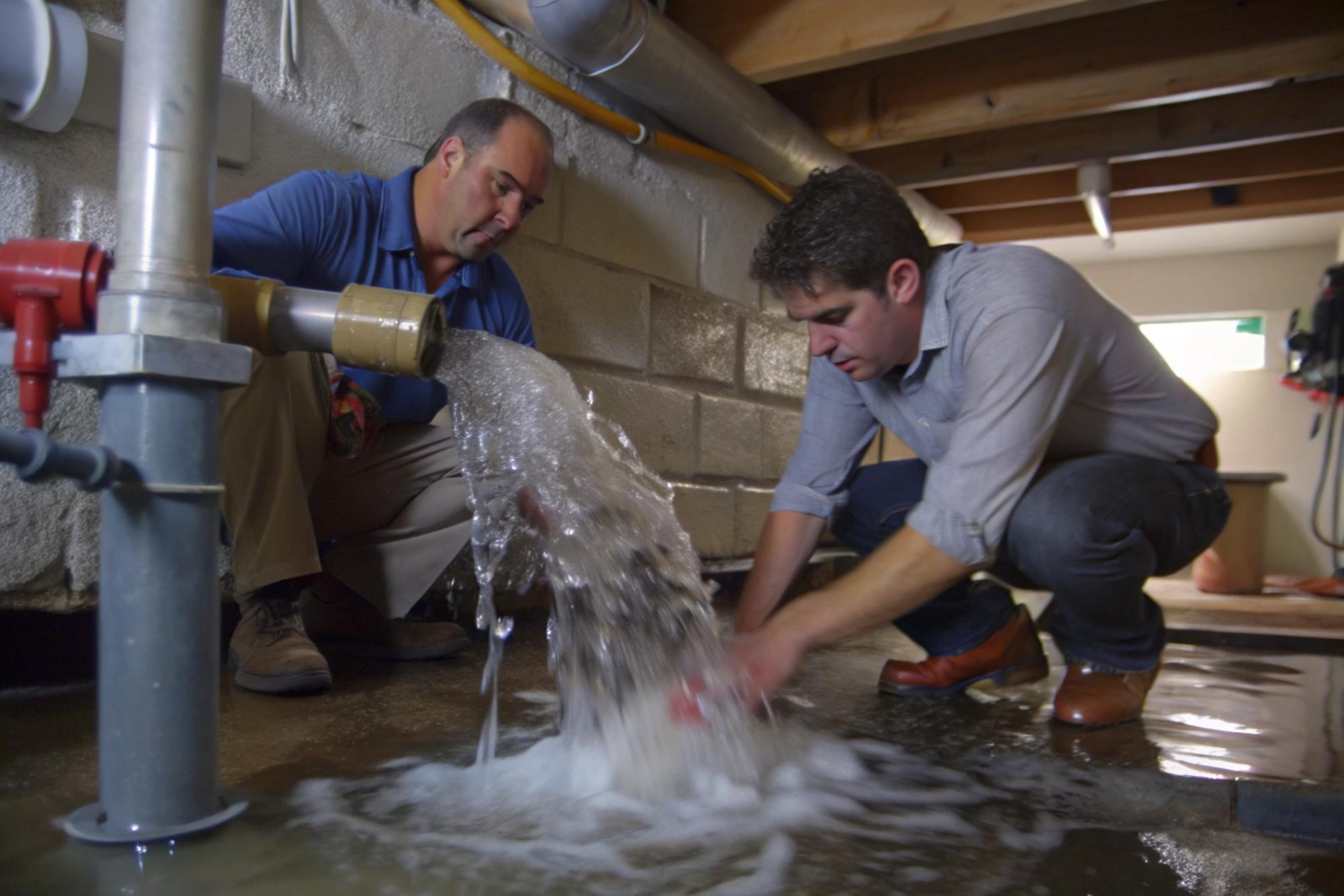
Water service line assessment is a specific area where plumbing professionals provide irreplaceable conservation value. Aging service lines, the pipes connecting the municipal distribution main to the property, can develop leaks that manifest as wet areas in the yard, unexplained water bill increases, or reduced pressure at fixtures without any other obvious indicator. Providers of water line repair service Orlando use professional diagnostic approaches to locate service line losses and restore system integrity, eliminating water losses that the property owner may not have known were occurring.
Fixture Specification and Water Efficiency Standards
Beyond repair, licensed plumbing professionals influence water conservation outcomes through the fixture and equipment specifications they recommend and install. Every fixture installation represents a choice point at which efficiency standards are either met, exceeded, or bypassed, and the plumber’s professional knowledge of available options and their performance characteristics directly shapes that choice.
WaterSense Certification and Professional Specification
The EPA WaterSense program certifies fixtures and fittings that meet established water efficiency and performance criteria. WaterSense-labeled toilets use a maximum of 1.28 gallons per flush — compared to 3.5–7 gallons per flush for pre-1994 models still found in many older properties. WaterSense faucets are limited to 1.5 gallons per minute at the lavatory, compared to the 2.2 gallons per minute standard maximum. WaterSense showerheads deliver 2.0 gallons per minute or less.
When licensed plumbers specify and install WaterSense-certified fixtures, they translate these efficiency standards into real conservation outcomes at the property level. The cumulative effect across a household, WaterSense toilets, faucets, and showerheads throughout, can reduce indoor water consumption by 20% or more compared to a home equipped with older standard fixtures.
Knowledgeable plumbers help property owners understand the practical performance characteristics of high-efficiency fixtures, addressing the common concern that low-flow means low performance, and guide selection of certified products that deliver comfort and functionality alongside efficiency. This advisory role is particularly valuable when property owners are replacing fixtures after failure, when the choice between standard and high-efficiency replacement has direct and lasting conservation consequences.
High-Efficiency Toilet Replacement
Among the fixture upgrade opportunities that plumbing professionals facilitate, toilet replacement represents the largest single conservation opportunity in most residential properties. Homes built before 1994, of which there are many in Orlando’s housing inventory, typically have 3.5-gallon or larger tanks. Upgrading these to WaterSense-certified 1.28-gallon models saves more than 13,000 gallons per toilet per year in a household with average use patterns.
For commercial properties with multiple restrooms and high occupancy, restaurants, office buildings, hotels, healthcare facilities, the conservation impact of toilet replacement across all fixtures is proportionally larger and the financial case for upgrade is correspondingly stronger.
Plumbing professionals who proactively identify older, inefficient toilets during service visits and inform property owners of the conservation and cost-saving potential of replacement are performing a genuinely valuable advisory function that connects technical expertise to conservation outcomes.
Water Heater Efficiency and Hot Water System Optimization
Water heating represents one of the most significant intersections between plumbing infrastructure, energy consumption, and water conservation. The U.S. Department of Energy estimates that water heating accounts for 14–18% of total home energy consumption, making it the second largest energy expense in most households. The plumbing systems that deliver hot water throughout a property directly affect both the energy efficiency of water heating and the volume of water consumed in the process.
Hot Water Distribution Efficiency
One of the less-discussed water conservation functions of plumbing professionals involves hot water distribution system design and optimization. In a typical home, running a tap until hot water arrives from the water heater wastes a significant volume of cold water, water that was already delivered to the property but discharged before use.
The volume wasted in this waiting period depends on the distance between the water heater and the fixture, the pipe diameter, and the presence or absence of a recirculation system. In larger homes and commercial properties, the cold-water purge before hot water arrives can add up to thousands of gallons per year per fixture location.
Licensed plumbers address this loss through several approaches:
- Hot water recirculation systems that keep hot water at or near fixtures, eliminating the purge wait
- Point-of-use water heaters at remote fixture locations that provide immediate hot water without distribution losses
- Proper pipe insulation of hot water distribution lines, reducing heat loss and the frequency of purge cycles
- Strategic pipe routing that minimizes the distance between heaters and high-use fixture locations
These system-level design decisions, made at installation or during renovation, have lasting conservation consequences that accumulate over the life of the building.
Water Heater Maintenance and Conservation
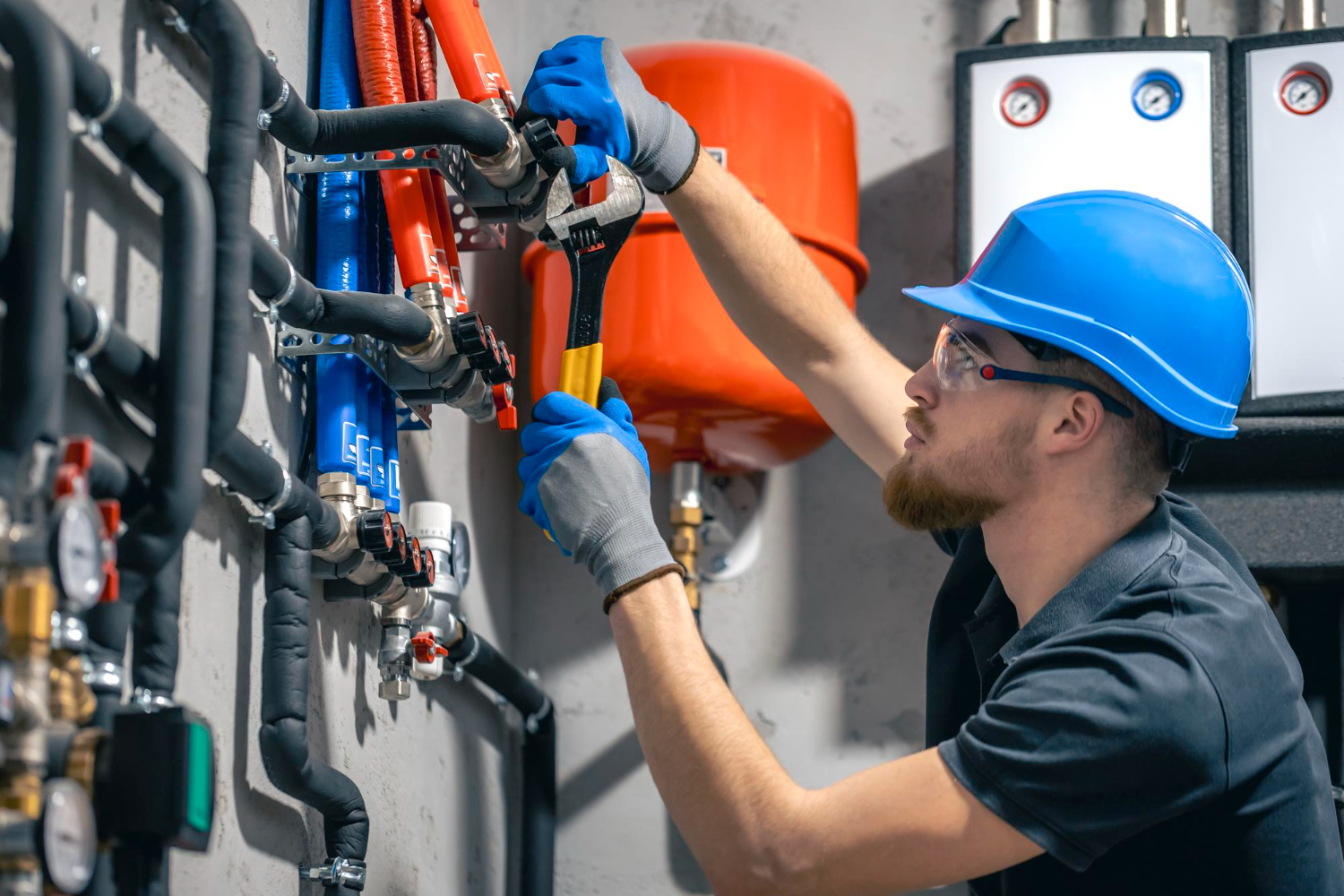
Plumbing professionals also contribute to conservation through water heater maintenance that keeps heating systems operating efficiently. A water heater operating with significant scale accumulation on its heating elements consumes more energy to deliver the same hot water output, and is more likely to fail prematurely, requiring emergency replacement rather than planned upgrade.
Regular maintenance, annual tank flushing to remove sediment, anode rod inspection and replacement, thermostat verification, extends water heater service life and maintains operating efficiency. Providers of Orlando Water Heater repairs who incorporate comprehensive maintenance assessment into their service interactions help property owners avoid the dual waste of premature equipment replacement and ongoing efficiency loss from neglected systems.
ENERGY STAR-certified water heaters, including heat pump water heaters, high-efficiency tankless systems, and solar thermal units, represent the current state of water heating efficiency technology. Plumbing professionals who are knowledgeable about these technologies and can accurately explain their benefits, limitations, and installation requirements to property owners play an important role in accelerating adoption of efficient equipment.
Pipe System Integrity and Conservation
The condition of the supply pipe system throughout a property, from the service line at the street through the complete interior distribution network, has direct conservation implications that extend beyond obvious leak events.
Aging Pipe Materials and Water Loss
Many Orlando-area properties built before the mid-1990s contain pipe materials that are now approaching or past the end of their designed service lives. These aging systems present escalating water loss risk as deterioration progresses.
Polybutylene supply pipes, used widely in Central Florida residential construction from approximately 1975 through 1995, are subject to internal degradation from chloramine exposure that creates micro-fracture patterns leading to sudden failure. Unlike the gradual, symptomatic deterioration of metal pipes, polybutylene failures can occur without obvious warning, producing sudden water losses that require immediate emergency response.
Professional assessment of aging pipe infrastructure, identifying materials at elevated failure risk and advising on proactive pipe replacement Orlando before failure occurs, is a conservation function that prevents the water losses and associated property damage of sudden pipe failures. It also prevents the emergency service demand that reactive failure response generates, demand that draws plumbing professional resources away from planned conservation-oriented maintenance work.
Sewer System Integrity and Water Resource Protection
The conservation role of plumbing professionals extends beyond supply-side water savings to include the protection of water resources from contamination through deteriorated wastewater infrastructure. Cracked, root-intruded, or deteriorated sewer laterals that allow sewage to escape into groundwater represent a water quality threat to the aquifer systems that supply drinking water to Central Florida communities.
Sewer lateral inspection and rehabilitation, camera assessment to identify structural deterioration, root removal, pipe lining or replacement where indicated, protects both the integrity of the wastewater system and the quality of the groundwater resources that receive any infiltration from compromised laterals. This protective function is a water resource conservation contribution that operates alongside the more directly measurable supply-side water savings from leak repair and fixture efficiency.
The Plumber’s Advisory Role in Conservation Decision-Making
Beyond their direct technical interventions, licensed plumbing professionals serve an important advisory function that shapes property owner conservation decisions across many interactions over time. The trust relationship between a property owner and their regular plumbing service provider creates an ongoing channel for conservation guidance that complements public information campaigns and regulatory standards.
Translating Standards into Property-Specific Guidance
Water efficiency standards, whether federal efficiency requirements, local ordinance requirements, or voluntary programs like WaterSense, can be abstract when presented in policy documents or public communications. A licensed plumber who encounters a property owner replacing a toilet, upgrading a water heater, or renovating a bathroom can translate these standards into specific, actionable guidance tailored to the property’s characteristics and the owner’s priorities.
This translation function is particularly valuable because plumbing professionals understand the interconnected nature of water systems. They can explain, for example, why upgrading to a high-efficiency toilet delivers maximum conservation benefit when the existing supply line and shutoff valve are also in good condition, and that a failing supply connection can offset fixture efficiency gains through ongoing leakage. The system-level perspective that professional expertise provides enables conservation recommendations that are more effective in practice than single-fixture guidance alone.
Identifying Conservation Opportunities During Routine Service

very routine service interaction, a drain cleaning visit, a water heater flush, a faucet repair call, is an opportunity for the attending professional to observe the broader property plumbing condition and identify conservation opportunities that the property owner may not have considered.
The professional who notices an older toilet running intermittently while servicing a kitchen faucet, or who observes a bathroom faucet with a significantly worn aerator while addressing a supply line concern, and who communicates these observations to the property owner is performing a conservation advisory function alongside the primary service. The comprehensive approach to plumbing services Orlando that licensed professional contractors provide, considering the whole system rather than only the presenting complaint, naturally generates these conservation advisory opportunities.
Emergency Response and Conservation Education
Emergency plumbing events, burst pipes, sudden fixture failures, acute sewer backups, create heightened property owner attention to their plumbing infrastructure. The professional who responds to an emergency and, in the process of restoring system function, explains what caused the failure and how similar events can be prevented in the future is providing conservation education at a moment when it is most likely to be retained and acted upon.
Providers of emergency plumbing services Orlando who take the time to explain the conservation and maintenance implications of the emergency they’ve addressed, rather than simply completing the repair and departing, contribute to a better-informed property owner community that is more likely to invest in proactive maintenance and efficient fixtures over time.
Commercial Properties and the Amplified Conservation Impact
The conservation role of plumbing professionals is amplified in commercial property contexts, where higher occupancy, greater fixture counts, and larger water volumes mean that every efficiency intervention has proportionally greater conservation impact.
A commercial office building with 50 restroom fixtures, a restaurant with high-volume kitchen water use, or a hotel with hundreds of guest rooms, each of these property types represents a water consumption profile where professional plumbing guidance and infrastructure optimization can generate conservation savings measured in hundreds of thousands of gallons annually.
Commercial property operators who engage licensed plumbing professionals for comprehensive system assessment, identifying fixture efficiency upgrade opportunities, water loss sources, and hot water system optimization options, access conservation outcomes that are simply not achievable through occupant behavior change alone. The infrastructure dimension of commercial water conservation is fundamentally a plumbing professional domain.
Frequently Asked Questions
Q: How much water can professional plumbing services actually save? A: The conservation impact varies significantly by property condition. A property with multiple leaking fixtures, an aging toilet, and a deteriorated supply line might save 50,000–100,000 gallons or more annually through comprehensive professional intervention. Even a single toilet replacement from a pre-1994 model to a WaterSense-certified unit saves more than 13,000 gallons per year. The EPA estimates that fixing easily corrected household water leaks saves approximately 10,000 gallons per home annually on average.
Q: Are WaterSense-certified fixtures noticeably different in performance from standard fixtures? A: Modern WaterSense-certified fixtures are engineered to deliver performance equivalent to or better than older standard fixtures at significantly lower flow rates. Certified toilets achieve complete, reliable flushing at 1.28 gallons per flush through improved bowl geometry and flush valve design. Certified faucets and showerheads use aerating and flow-shaping technology to deliver comfortable, effective water delivery at reduced volume. Performance concerns about low-flow fixtures reflect older product generations and are generally not applicable to current certified products.
Q: How does water heater efficiency connect to water conservation? A: Inefficient water heaters waste water in two ways: they consume more energy to deliver the same hot water output, increasing the resource cost of each gallon heated; and they contribute to longer hot water wait times at fixtures, increasing the volume of cold water purged before hot water arrives. Efficient water heaters — particularly those combined with hot water recirculation systems, reduce both energy consumption and the volume of water wasted in delivery. The U.S. Department of Energy provides detailed guidance on water heater efficiency options and their comparative conservation performance.
Q: What is the most impactful single plumbing improvement a property owner can make for water conservation? A: For most properties with pre-1994 toilets, toilet replacement delivers the largest single conservation impact — saving more water per dollar invested than virtually any other plumbing upgrade. For properties with current-generation toilets but aging supply infrastructure, leak detection and repair of hidden losses can produce equivalent or greater savings depending on the severity of the losses present. A professional plumbing assessment is the most reliable way to identify the highest-priority conservation opportunity for a specific property.
 Dubb
Dubb