The water heater is one of the hardest-working appliances in any home or commercial property. Operating continuously, often around the clock, to maintain a supply of hot water for bathing, cleaning, cooking, and a range of other daily needs, it accumulates wear in ways that are largely invisible until something goes noticeably wrong. For many property owners, the water heater becomes a concern only when it stops working, at which point replacement, often under emergency conditions, is the only option remaining.
This reactive approach to water heater management is both financially costly and practically avoidable. Water heaters, like most mechanical systems, respond directly to the quality of maintenance they receive. Properties where water heaters are professionally maintained on a scheduled basis consistently see longer equipment lifespans, lower operating costs, better energy efficiency, and fewer emergency failures than properties where maintenance is deferred until problems develop. Understanding the specific mechanisms through which professional maintenance extends water heater life helps property owners make informed decisions about their plumbing infrastructure investment.
In the Orlando, Florida context, where water chemistry, humidity, and high year-round demand create a particularly demanding operating environment, the case for professional water heater maintenance is especially compelling.
Why Water Heaters Deteriorate, and How Maintenance Interrupts That Process
Every water heater deteriorates over time. The mechanisms of that deterioration are well understood, and they are, to a meaningful degree, manageable through professional intervention. Understanding what’s happening inside an aging water heater explains why maintenance works and what it’s protecting against.
Sediment Accumulation: The Primary Deterioration Driver
The most universal and significant deterioration mechanism in conventional tank water heaters is sediment accumulation. Water delivered by municipal utilities contains dissolved minerals, primarily calcium and magnesium carbonate, that precipitate out of solution when water is heated. These mineral particles settle to the bottom of the tank over time, accumulating into a layer of insulating material between the heating element and the water above it.
The consequences of sediment accumulation cascade through the entire water heater system:
- Reduced heating efficiency: The sediment layer insulates the heating element from the water, forcing the element to operate longer and at higher temperatures to achieve the same water temperature output. The U.S. Department of Energy documents that scale accumulation on heating elements can reduce water heater efficiency by 10–15% in electric units and comparably in gas units with sediment-insulated burner surfaces.
- Overheating of the tank base: When gas-fired water heaters accumulate sediment, the burner heats the sediment layer rather than the water directly. This creates localized overheating at the tank base that accelerates corrosion of the steel tank wall from inside, the primary mechanism of tank failure in gas water heaters.
- Noise and performance symptoms: The crackling, rumbling, or popping sounds that many property owners notice from older water heaters are caused by water boiling and bubbling through the sediment layer, an audible indicator that sediment accumulation has reached a significant level.
- Accelerated anode rod depletion: Sediment in the tank increases the chemical reactivity of the water environment, accelerating consumption of the sacrificial anode rod that protects the tank from corrosion.
Annual professional flushing, draining a volume of water from the tank base through the drain valve to remove accumulated sediment, directly interrupts this deterioration cycle. Properties where annual flushing is maintained consistently demonstrate significantly less sediment accumulation and correspondingly better efficiency retention and longer tank life than those where flushing is deferred.
Providers of Orlando Water Heater repairs routinely identify sediment accumulation as a primary contributing factor in premature water heater failure, and document that properties with regular flushing history present with substantially better internal tank condition than age-matched units without maintenance history.
Anode Rod Depletion and Tank Corrosion
The sacrificial anode rod, a magnesium or aluminum rod suspended in the tank, is the primary protective mechanism against tank corrosion in conventional water heaters. It works through electrochemical sacrifice: the anode rod material corrodes preferentially in the tank’s water environment, protecting the steel tank walls from the corrosion that would otherwise attack them.
This protection is effective and well-engineered, but it is finite. The anode rod depletes over time as it sacrifices itself to protect the tank. Once the rod is depleted, the tank walls become the most reactive metal in the system and corrosion begins. Tank corrosion, once established, is irreversible and progressive, it leads inevitably to tank failure, typically manifesting as a leak from the base or sides of the unit.
The rate of anode rod depletion depends on several factors relevant to Orlando property owners:
- Water chemistry: Softer water and water treated with chloramines (as used in Orlando’s municipal system) accelerates anode rod depletion compared to harder, unchlorinated water
- Water heater temperature setting: Higher temperature settings increase the chemical reactivity of the tank environment, accelerating anode consumption
- Tank size and water turnover rate: Units with higher daily water consumption see faster anode depletion due to increased fresh water introduction and associated chemistry cycling
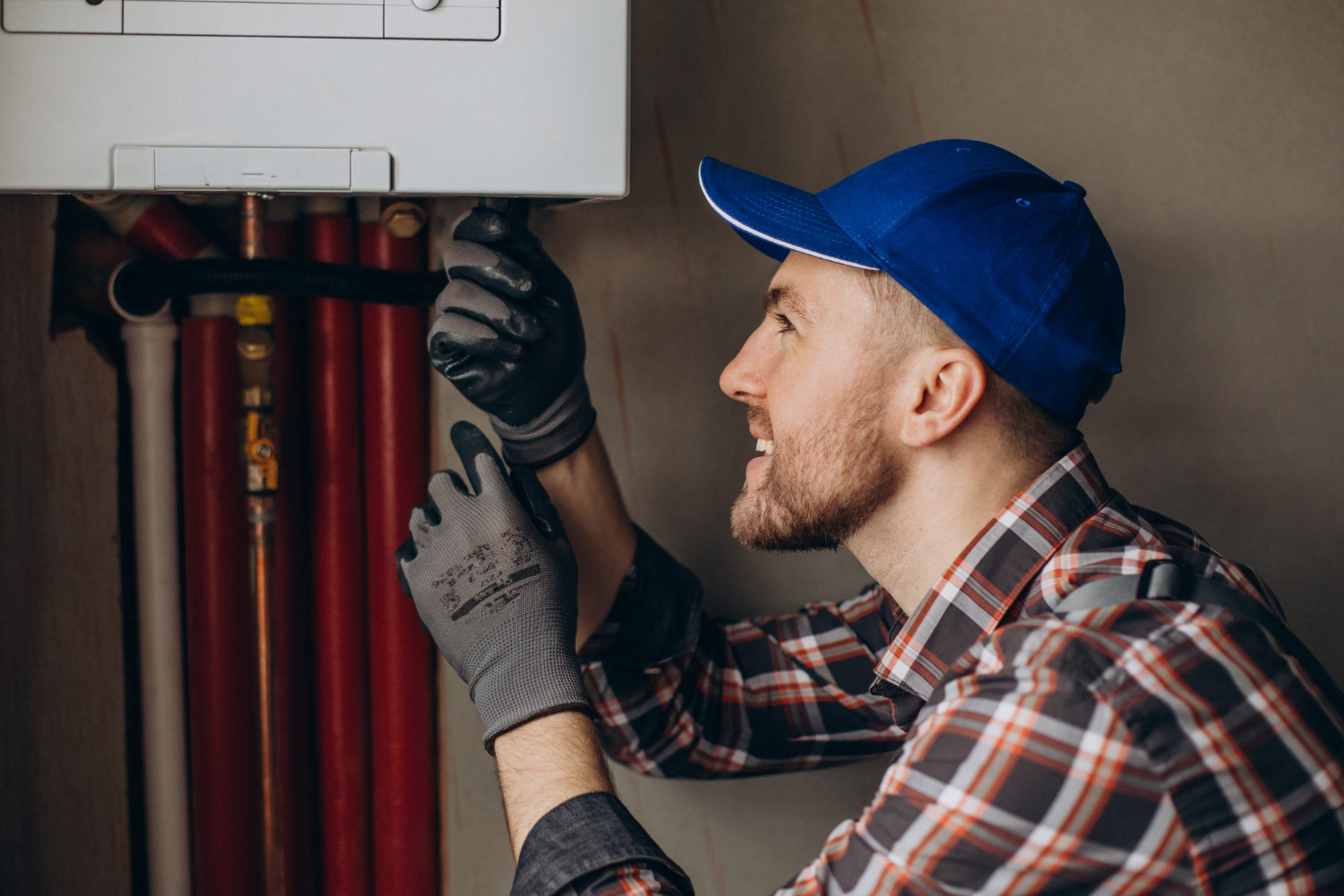
Professional inspection of anode rod condition, and proactive replacement when depletion reaches threshold, is one of the most direct tank life extension interventions available. A new anode rod, installed before the existing rod is fully depleted, resets the corrosion protection cycle and can add years to the functional tank life. This is a maintenance intervention that has no DIY substitute, assessing anode rod condition requires draining a portion of the tank, using appropriate tools to remove the rod (which is often corroded in place), evaluating its remaining sacrificial material, and selecting the correct replacement specification for the unit and water chemistry context.
Professional Inspection Components and Their Maintenance Value
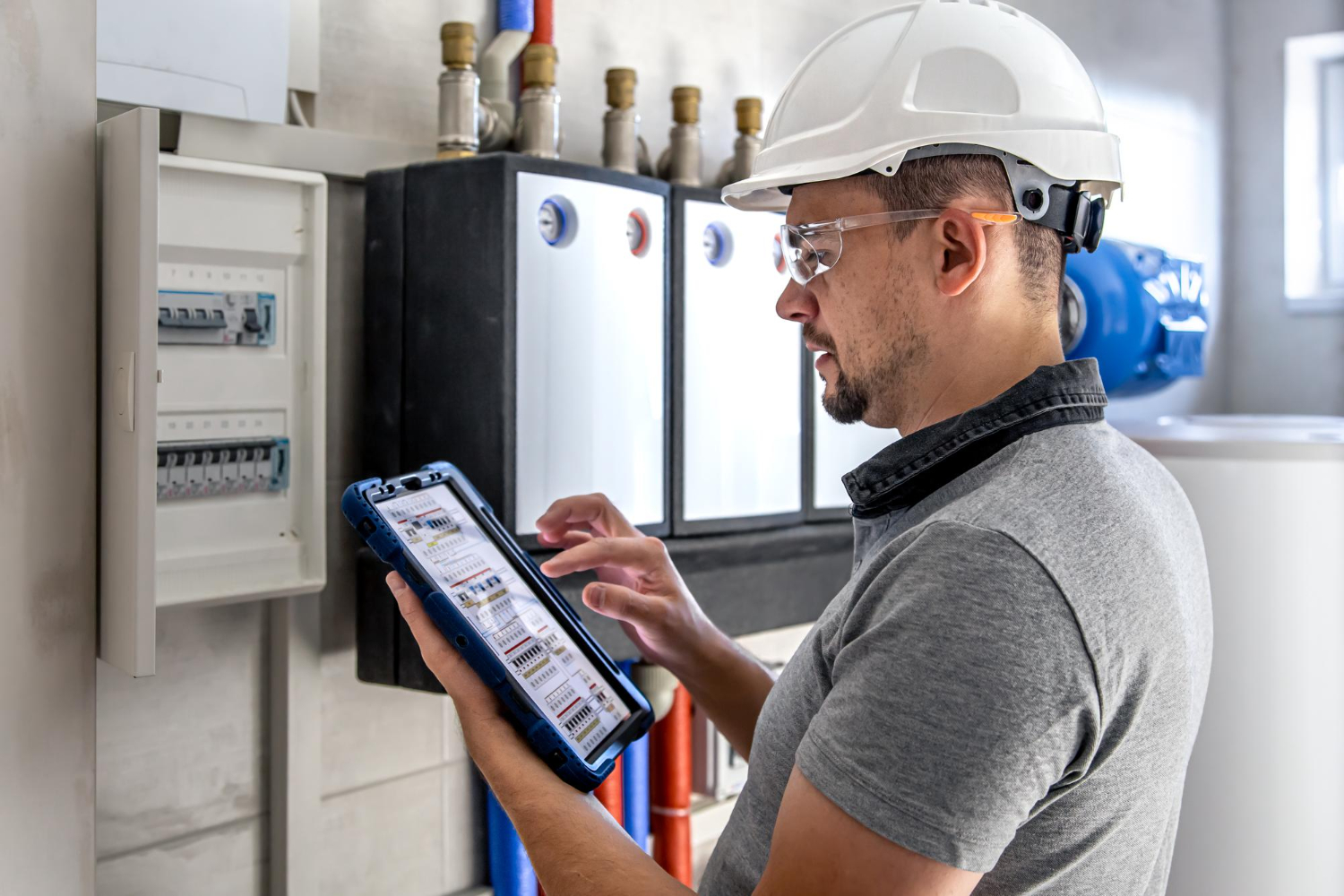
A comprehensive professional water heater maintenance visit encompasses multiple inspection and service components, each addressing a specific deterioration pathway. Understanding what these components are and what they protect against helps property owners evaluate the completeness of the maintenance service they’re receiving.
Temperature and Pressure Relief Valve Testing
The temperature and pressure (T&P) relief valve is the primary safety device on a tank water heater. It is designed to open automatically if tank temperature or pressure exceeds safe thresholds, preventing the catastrophic failure that can result from a water heater operating without pressure relief.
T&P valves can fail in two directions: they can stick open (causing continuous water discharge) or, more dangerously, they can stick closed (failing to relieve pressure when needed). Testing the T&P valve, briefly lifting the lever to confirm it opens and reseats correctly, is a standard component of professional maintenance inspection. Valves that don’t operate freely or that drip continuously after testing are flagged for replacement.
T&P valve replacement is a straightforward professional service that directly protects the safety of the property and its occupants. The valve should be replaced every 3–5 years as a matter of course, and immediately if testing reveals operational problems.
Thermostat Calibration and Temperature Verification
The U.S. Department of Energy recommends a water heater temperature setting of 120°F for most residential applications, a setting that balances hot water performance, scalding safety, and energy efficiency. Water heaters operating above this threshold waste energy continuously, accelerate component wear throughout the system, and present scalding risk at fixtures.
Professional maintenance includes verifying actual tank temperature against thermostat setting, a check that matters because thermostat calibration drifts over time and because factory settings are sometimes higher than the recommended 120°F. Correcting an elevated temperature setting during a maintenance visit delivers immediate energy savings and reduces thermal stress on tank components, anode rod, and connected supply lines.
For commercial properties with specific hot water temperature requirements, healthcare settings, food service operations, professional calibration ensures compliance with applicable regulatory standards while maintaining energy efficiency within the permitted range.
Expansion Tank Inspection
Closed water supply systems, increasingly common as municipalities require pressure-reducing valves and backflow prevention devices, require thermal expansion tanks to accommodate the volume increase that occurs when water in the tank heats. Without an expansion tank in a closed system, thermal expansion creates pressure spikes that stress the tank, the T&P valve, and supply connections throughout the system.
Professional maintenance inspection includes confirming that an expansion tank is present where required, that it is properly sized for the water heater capacity and system pressure, and that its internal air charge is correctly maintained. An expansion tank that has waterlogged (lost its air charge) provides no pressure relief function and needs replacement. This is a component that many property owners are unaware of but that licensed plumbing professionals routinely check during maintenance visits.
Flue and Venting Inspection (Gas Units)
For gas water heaters, proper venting of combustion gases, including carbon monoxide, is a critical safety requirement. Professional maintenance includes visual inspection of the flue and venting system for:
- Corrosion or deterioration of vent pipe sections
- Proper connections and absence of gaps or separations
- Correct draft, confirming that combustion gases are being drawn up and out rather than spilling into the living space
- Absence of blockages from debris, pest nesting, or collapsed vent components
Venting failures are not merely maintenance issues, they are life-safety concerns. Carbon monoxide from an improperly vented gas appliance is odorless, colorless, and acutely dangerous. Professional inspection of venting systems at every maintenance visit provides ongoing safety assurance that property owners cannot replicate through visual inspection alone.

The Energy Efficiency Dimension of Water Heater Maintenance
Water heater maintenance is not only about extending equipment lifespan, it is also about preserving the energy efficiency that the equipment was designed to deliver. A water heater that is operating with sediment accumulation, a depleted anode rod, an elevated thermostat, and a degraded expansion tank is consuming significantly more energy per gallon of hot water delivered than the same unit would consume with those components in proper condition.
The ENERGY STAR certification program establishes efficiency standards for water heaters that represent the performance level of properly functioning, well-specified equipment. However, ENERGY STAR ratings reflect the efficiency of the unit as designed and installed, not the efficiency of a unit that has been operating for several years without maintenance. The gap between rated efficiency and actual operating efficiency grows with each deferred maintenance cycle.
For Orlando property owners, this efficiency gap has direct financial consequences. Water heating accounts for a substantial portion of household energy consumption, and inefficiency at the water heater level compounds into meaningful monthly cost increases that accumulate over the life of the unit. Maintenance that restores the efficiency of a degraded unit to near its designed performance level delivers ongoing utility savings that contribute to the financial return of the maintenance investment.
The intersection of water heater efficiency and water conservation is also worth noting. Inefficient water heaters create longer wait times for hot water at fixtures, because they recover more slowly and may deliver water at inconsistent temperatures, resulting in more water being run at the fixture while waiting for the desired temperature. The EPA WaterSense program emphasizes that water and energy efficiency at the fixture and system level are interconnected, and that a well-maintained water heater is an essential component of an efficient, low-waste hot water system.
Orlando-Specific Factors That Make Maintenance More Critical
While professional water heater maintenance is beneficial in any geographic context, Orlando’s specific environmental conditions make it particularly important for Central Florida property owners.
Water Chemistry and Accelerated Deterioration
Orlando’s municipal water supply uses chloramine disinfection, a treatment approach that, while effective for distribution system safety, is more chemically aggressive toward certain plumbing materials than free chlorine. Chloramine exposure accelerates rubber component degradation throughout the plumbing system, including the gaskets, seals, and flexible connections associated with water heater installations. It also affects the chemistry of tank corrosion in ways that make anode rod monitoring more important than in unchlorinated water environments.
Orlando’s water also has moderate to moderately high hardness, which drives sediment accumulation at a rate that makes annual flushing particularly important. In high-hardness water environments, sediment accumulation between annual flush visits can be substantial, making adherence to an annual maintenance schedule more consequential than in softer water areas.
High Year-Round Demand
Florida’s climate means that hot water demand remains relatively consistent year-round, without the seasonal reduction that occurs in colder climates where warm-weather showering and outdoor water use reduces hot water consumption. This sustained high demand means that Orlando water heaters accumulate operating hours, and the associated wear, faster than units in climates with significant seasonal demand variation.
A water heater in a northern climate might have meaningful low-demand periods during summer months. The equivalent unit in Orlando operates at consistent demand year-round, reaching the same total operating hours in a shorter calendar time. This compressed wear timeline makes maintenance schedule adherence more critical, the interval between annual maintenance visits represents more total operating wear in Orlando than in lower-demand climates.
Humidity and External Component Condition
Florida’s high ambient humidity creates an external corrosion environment for water heater components that are not fully protected by the tank insulation jacket. Exposed fittings, pressure relief valve discharge pipes, supply connections, and gas line connections at the unit are all subject to external corrosion acceleration from persistent moisture in the surrounding air.
Professional maintenance visits include inspection of these external components, identifying early-stage corrosion at fittings, checking the condition of supply line connections, and observing any signs of moisture at the unit base that might indicate early tank seam deterioration. Catching these external concerns at an early stage allows targeted intervention before they escalate into failures.
The Connected Plumbing System: Water Heater Maintenance in Context
Water heater performance is not independent of the broader plumbing system condition. The supply lines delivering water to the heater, the pipes distributing hot water throughout the property, and the fixtures using that hot water all interact with the water heater’s function and longevity in ways that comprehensive maintenance should address.
Supply Line Condition and Water Heater Impact
The condition of the supply piping delivering water to the water heater affects the quality and chemistry of the water entering the tank. Homes with aging galvanized steel or deteriorated pipe infrastructure introduce rust particles, scale fragments, and elevated mineral loads into the water heater, accelerating internal sediment accumulation and component wear beyond the rate driven by water chemistry alone.
For Orlando properties with aging supply infrastructure, including those with polybutylene piping that is subject to chloramine-driven degradation, professional assessment of supply pipe condition is a natural complement to water heater maintenance. Providers of pipe replacement Orlando who also assess water heater condition provide property owners with a complete picture of how supply system condition is affecting water heater performance and longevity.
Similarly, service line integrity affects the pressure and sediment load at the water heater. Properties with deteriorating water service lines experience sediment introduction events, particularly after municipal pressure events or service line disturbances, that disproportionately affect the water heater as the first major appliance downstream. Professional water line repair service Orlando assessment, conducted in conjunction with water heater maintenance, ensures that upstream supply conditions are not undermining the benefits of the heater maintenance itself.
Fixture Demand and Water Heater Cycling
The demand pattern imposed on a water heater by the fixtures it serves affects how frequently the unit cycles, and therefore how rapidly it accumulates operating wear. Fixtures with leaks or inefficiencies increase hot water demand beyond the household’s actual use, forcing the water heater to cycle more frequently to replace water that is being wasted rather than used.
A running hot water faucet, a toilet with a hot water connection leak, or a dishwasher that draws more hot water than necessary all translate directly into increased water heater cycling. Professional attention to fixture condition, including faucet repair installation Orlando services that address leaking faucets and Clogged Toilet Repair Services Orlando that resolve running toilet conditions, reduces unnecessary water heater demand and extends the interval between maintenance-relevant wear accumulation.
Professional Maintenance Scheduling: What Property Owners Should Know
Establishing and maintaining a professional water heater maintenance schedule requires understanding what intervals are appropriate, what service components should be included, and how to integrate water heater maintenance with broader plumbing system care.
Recommended maintenance intervals:
- Annual: Tank flushing and sediment removal, T&P valve testing, thermostat verification, visual inspection of all external components, gas/electrical connection check, anode rod assessment
- Every 2–3 years: Anode rod replacement (more frequently in aggressive water chemistry environments like Orlando’s)
- Every 3–5 years: T&P valve replacement regardless of test results, expansion tank inspection and replacement if waterlogged
- At any sign of performance change: Unusual noise, discolored water, reduced hot water volume, increased recovery time, or moisture at the unit base all warrant immediate professional assessment
For commercial properties with larger capacity units and higher demand, maintenance intervals may be compressed relative to residential recommendations, a licensed plumbing professional familiar with the specific unit and property water chemistry is the appropriate source for commercial maintenance scheduling guidance.
The full range of plumbing services Orlando available from licensed professional contractors includes water heater maintenance as a scheduled service, one that can be coordinated with other annual plumbing system maintenance activities to minimize property owner scheduling burden and maximize the efficiency of the service visit.
When water heater concerns arise outside of scheduled maintenance, unusual symptoms, sudden performance changes, or visible problems, responsive emergency plumbing services Orlando provide the professional assessment needed to determine whether the situation requires immediate intervention or can be addressed through a scheduled maintenance appointment.
Frequently Asked Questions About Water Heater Maintenance
Q: How can a property owner tell if their water heater needs professional maintenance? A: Several observable indicators suggest that professional maintenance is overdue: rumbling, popping, or crackling sounds during heating cycles (sediment accumulation); reddish or rusty water from hot taps (internal corrosion); reduced hot water volume or longer recovery times (sediment insulation of heating elements); water pooling at the unit base (early tank failure); or T&P valve that drips continuously (valve stuck open). Annual professional maintenance prevents most of these symptoms from developing.
Q: Is DIY water heater flushing an adequate substitute for professional maintenance? A: DIY tank flushing, connecting a hose to the drain valve and running water until clear, provides some sediment removal benefit and is better than no maintenance. However, it does not include T&P valve testing, anode rod assessment, thermostat calibration, venting inspection, expansion tank evaluation, or the professional judgment that identifies developing conditions before they reach failure threshold. Professional maintenance encompasses all of these components, providing comprehensive protection that DIY flushing alone cannot replicate.
Q: Does water heater maintenance affect homeowner’s insurance coverage? A: Insurance policies typically cover sudden and accidental water damage but may exclude damage resulting from known, deferred maintenance conditions. A water heater that fails after years of documented neglect may generate coverage questions that a well-maintained unit would not. Professional maintenance records provide documentation of responsible property management that supports insurance coverage expectations.
Q: How does professional maintenance compare in cost to early water heater replacement? A: Annual professional maintenance typically costs a fraction of the annualized cost of water heater replacement. By extending the functional service life of an existing unit by three to five years or more, professional maintenance delivers a return that substantially exceeds its cost, particularly when the replacement would otherwise occur under emergency conditions, which typically carry premium service costs.
 Dubb
Dubb