Septic systems have long been a foundational part of infrastructure across Dutchess County. From rural properties in Millbrook and Pine Plains to residential neighborhoods in Wappingers Falls and Hopewell Junction, onsite wastewater treatment remains essential where municipal sewer access is unavailable.
However, septic systems are no longer viewed as static underground tanks requiring occasional pumping. Advances in environmental science, engineering, and digital monitoring are reshaping how septic systems are designed, installed, maintained, and regulated.
Population growth in semi-rural communities, increased environmental awareness, and stricter groundwater protection standards are driving this transformation. As more homeowners renovate older properties and commercial developments expand into previously undeveloped land, septic systems must meet higher performance, safety, and sustainability benchmarks than in decades past.
Climate variability is also influencing system design. Heavier rainfall events, fluctuating groundwater levels, and seasonal freeze-thaw cycles in the Hudson Valley require more resilient infrastructure. Modern septic solutions are being engineered not only for treatment efficiency but also for long-term durability under changing environmental conditions.
Understanding emerging technologies and regulatory trends helps homeowners, commercial property managers, contractors, and real estate professionals make informed decisions about long-term wastewater planning. The future of septic systems is no longer just about waste disposal, it is about environmental stewardship, smart infrastructure management, and protecting property value across Dutchess County communities.
Why Septic Innovation Matters in Dutchess County
Dutchess County includes environmentally sensitive areas, private wells, wetlands, and tributaries connected to the Hudson River. As development continues and environmental standards evolve, septic systems must meet higher performance expectations.
The EPA SepticSmart Program emphasizes that properly designed and maintained septic systems protect groundwater, prevent disease transmission, and reduce nutrient pollution.
Modern innovation focuses on:
- Improved treatment efficiency
- Reduced environmental impact
- Smarter monitoring
- Longer system lifespan
- Compliance with stricter health regulations
These advancements are especially relevant in regions where soil conditions vary and seasonal freezing can impact system performance.
Advanced Treatment Systems (ATS)
Traditional septic systems rely heavily on soil filtration. Advanced Treatment Systems (ATS) add engineered components that improve wastewater treatment before effluent reaches the drain field.
What Is an Advanced Treatment System?
An ATS incorporates additional mechanical or biological processes such as:
- Aerobic treatment units (ATUs)
- Media filters
- Recirculating sand filters
- Peat biofilters
These systems introduce oxygen into wastewater, encouraging aerobic bacteria to break down contaminants more efficiently than conventional anaerobic tanks.
Why ATS Is Gaining Popularity
Advanced systems are increasingly used in:
- Smaller lots with limited drain field space
- Environmentally sensitive areas
- Properties near lakes or wetlands
- Commercial facilities with higher wastewater loads
In certain cases, new construction may require Dutchess County NY Septic Tank Installation that incorporates advanced treatment components to meet updated health standards.
The New York State Department of Health – Septic System Guidelines outline performance expectations and soil requirements that influence when advanced systems are necessary.
Smart Septic Monitoring Technology
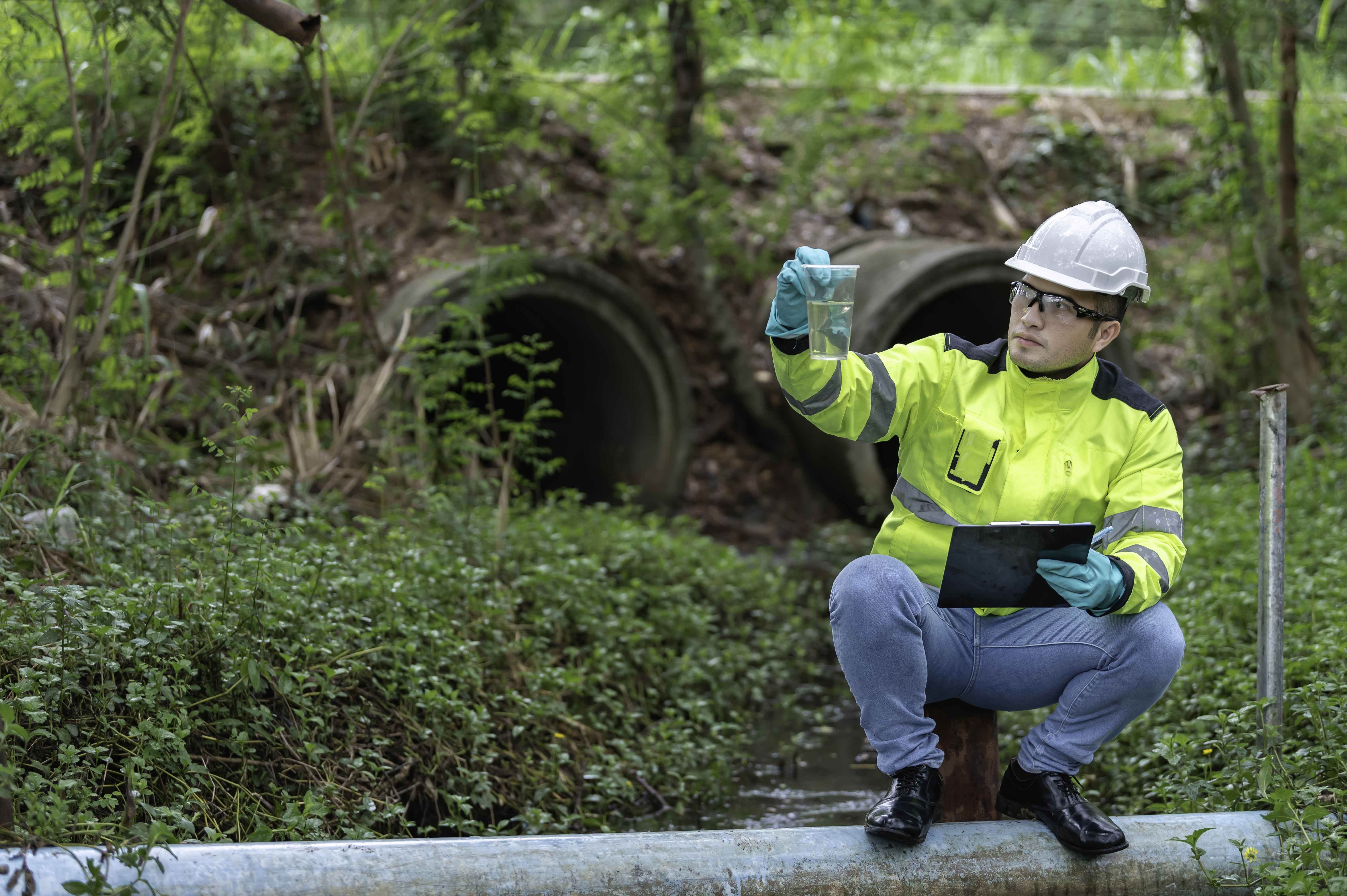
One of the most significant innovations in the septic industry is remote monitoring technology.
How Smart Monitoring Works
Sensors installed within septic tanks or pump chambers measure:
- Liquid levels
- Pump cycles
- Sludge accumulation
- Alarm conditions
Data can be transmitted wirelessly to property owners or septic professionals for analysis.
Benefits of Digital Monitoring
Smart systems offer:
- Early leak detection
- Reduced emergency backups
- More accurate pumping schedules
- Improved commercial compliance
Rather than relying solely on time-based pumping intervals, data-driven maintenance helps optimize services like Dutchess County NY Septic Tank Pumping.
For commercial properties in Poughkeepsie or Beacon with higher occupancy turnover, monitoring ensures systems remain within safe operating levels.
Eco-Friendly and Sustainable Septic Designs
Environmental sustainability has become central to septic system innovation.
Nitrogen-Reducing Technologies
Excess nitrogen from wastewater can contribute to algae blooms and groundwater contamination. New nitrogen-reducing septic systems use:
- Specialized media filters
- Advanced aerobic treatment
- Recirculation systems
These technologies lower nutrient discharge before effluent enters soil.
The CDC – Onsite Wastewater Treatment highlights the importance of proper wastewater treatment to prevent environmental contamination and protect drinking water sources.
Smaller Environmental Footprints
Modern systems are designed to:
- Require less excavation
- Use energy-efficient pumps
- Minimize soil disturbance
- Extend drain field lifespan
These innovations are particularly valuable in Dutchess County properties with limited yard space or sloped terrain.
Innovations in Drain Field Technology
Drain field failure has historically been one of the most expensive septic issues. New materials and layouts are improving long-term durability.
Chamber Systems vs. Gravel Systems
Traditional drain fields use gravel trenches. Newer chamber systems use lightweight plastic chambers that:
- Increase effluent distribution
- Reduce soil compaction
- Improve oxygen exchange
Chamber systems also require less gravel, reducing installation labor and transportation impact.
Pressure Distribution Systems
Pressure distribution systems use pumps to evenly disperse wastewater across the drain field. This improves treatment uniformity and reduces localized oversaturation.
When drain fields require correction or redesign, services like Dutchess County Septic Tank Repair may incorporate these newer technologies to improve longevity.
Grease Management and Commercial System Advances
Restaurants, event venues, and food-related businesses in Dutchess County present unique septic challenges.
Improved Grease Interceptors
Modern grease traps are engineered with:
- Enhanced baffle systems
- Easier access ports
- Odor-control components
Regular maintenance combined with pipe cleaning helps prevent clogs and backups.
High-Capacity Commercial Tanks
Larger commercial tanks are now built with:
- Reinforced concrete
- Corrosion-resistant materials
- Modular expansion capabilities
Routine services such as Dutchess County NY Septic Tank Cleaning remain critical to preserving system efficiency.

Regulatory Trends Shaping the Future
Septic innovation is closely tied to evolving regulation.
Increased Inspection Requirements
Property transfers increasingly require documented Dutchess County NY Septic Tank Inspection to verify system integrity.
Municipalities may adopt:
- Mandatory inspection intervals
- Upgrade requirements for failing systems
- Capacity verification before home expansions
Financial Assistance Programs
The NYS DEC Septic Replacement Program provides funding assistance for eligible septic replacements in environmentally sensitive areas.
These programs encourage proactive upgrades rather than reactive emergency repairs.
Climate Change and Septic Resilience
Changing weather patterns influence septic design considerations.
Increased Rainfall and Flooding
Heavier rainfall events can saturate soil and reduce drain field absorption capacity.
Modern design strategies include:
- Elevated drain fields
- Improved surface drainage
- Waterproof tank lids
- Strategic site grading
Cold Weather Adaptations
Dutchess County winters can lead to frozen pipes or shallow system components. New insulation methods and deeper burial standards reduce freeze-related damage.
Sewer and water infrastructure improvements, including Water Repairs & Installations, often complement septic modernization in properties upgrading utilities.
The Role of Preventative Maintenance in the Future
As septic technology advances, preventative maintenance remains the single most important factor in system longevity. Even the most innovative aerobic treatment units, nitrogen-reducing systems, or digitally monitored tanks still rely on routine service to function properly. Technology enhances oversight, but it does not eliminate biological realities inside a wastewater system.
Future-focused maintenance strategies increasingly rely on data rather than guesswork. Smart sensors can monitor sludge accumulation, liquid levels, and pump activity. This allows septic professionals to recommend service intervals based on actual system performance instead of generalized timelines. However, routine services such as Dutchess County NY Septic Tank Pumping remain essential to remove accumulated solids before they migrate into the drain field.
Preventative care also includes periodic Dutchess County NY Septic Tank Cleaning to maintain internal tank efficiency and prevent hardened sludge buildup. Inspections help identify small cracks, loose baffles, or early-stage pipe blockages before they escalate into full system failures.
Water conservation practices will continue to play a role in septic sustainability. High-efficiency fixtures, staggered laundry usage, and leak detection reduce hydraulic overload. As environmental regulations tighten and property owners prioritize sustainability, proactive maintenance will become less of an optional recommendation and more of an expected standard across Dutchess County communities.
Portable Sanitation and Temporary Infrastructure
Temporary sanitation infrastructure is evolving alongside permanent septic systems. Construction projects, outdoor festivals, agricultural operations, and seasonal events across Dutchess County frequently rely on portable toilet rentals to manage short-term wastewater demands. Modern portable sanitation units are far more advanced than older models.
Innovations now include:
- Improved ventilation systems
- Hands-free flushing mechanisms
- Solar-powered lighting
- Eco-friendly waste treatment additives
- Sealed containment tanks that reduce odor
These advancements minimize environmental impact and reduce strain on permanent septic systems during high-traffic periods. For example, large outdoor events in Beacon or Rhinebeck can temporarily increase wastewater generation beyond what a permanent onsite system is designed to handle. Portable units help distribute that load safely.
Additionally, construction projects that involve excavation, septic relocation, or major renovations often require temporary sanitation solutions to maintain code compliance for workers. Proper waste containment prevents accidental overuse of existing septic systems during building phases.
As sustainability becomes a larger focus, portable sanitation providers are also incorporating environmentally responsible disposal methods and improved servicing logistics. This trend supports broader wastewater management goals and reduces the risk of contamination during short-term infrastructure demands.
What This Means for Contractors and Builders
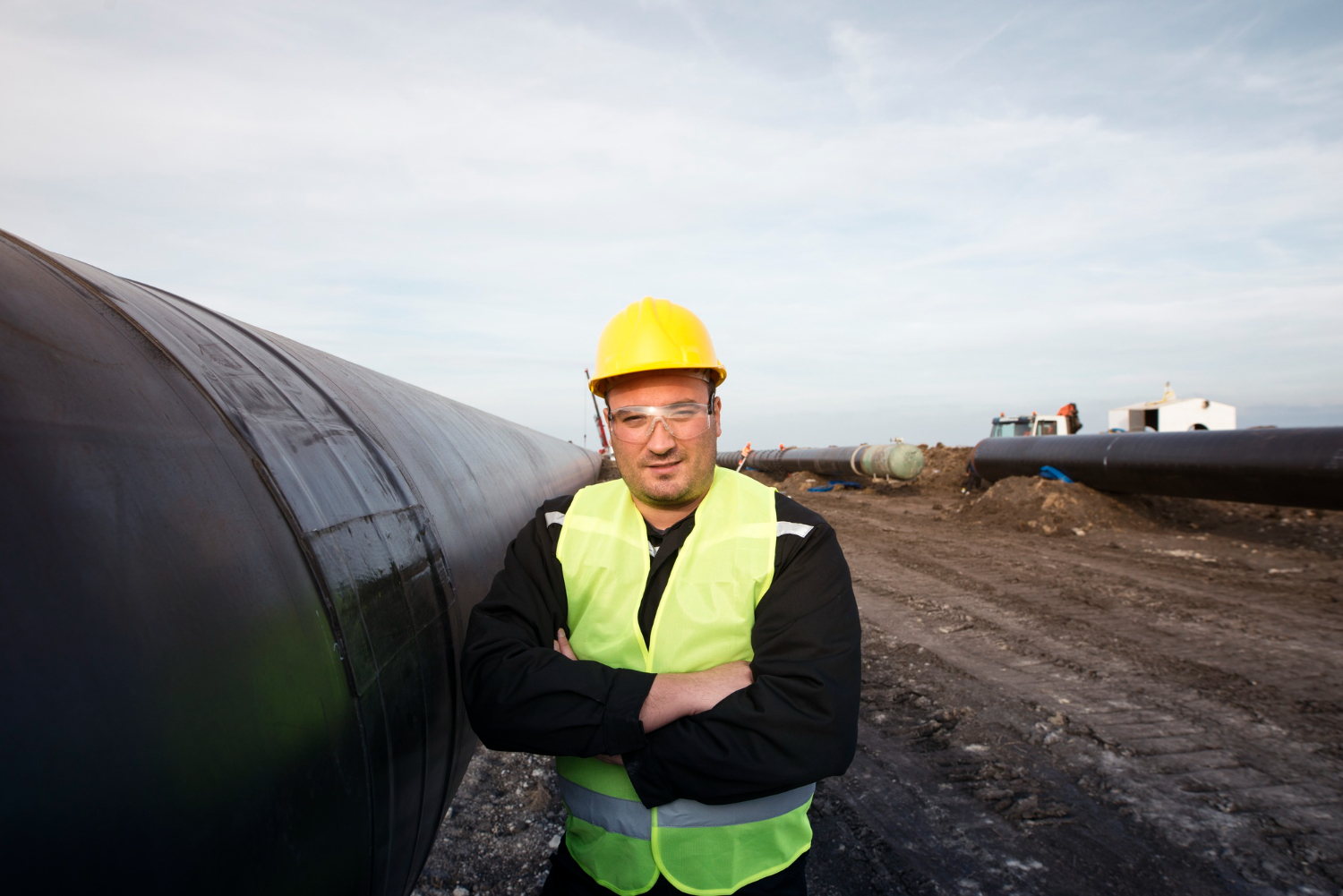
For contractors and builders operating in Dutchess County, septic system planning is no longer a secondary consideration. It is an integral part of site design, regulatory approval, and long-term property functionality. As systems grow more advanced, construction professionals must coordinate more closely with septic specialists early in the development process.
Key planning considerations include:
- Soil percolation testing before foundation design
- Accurate system mapping to avoid structural conflicts
- Capacity calculations tied to bedroom count or occupancy load
- Compliance with updated setback requirements
When new construction is required, Dutchess County NY Septic Tank Installation may involve advanced treatment components rather than conventional gravity-fed systems. Builders must account for electrical access, aeration units, and control panels that were not common in older designs.
In renovation projects, expanding a home or commercial facility may require evaluation through Dutchess County NY Septic Tank Inspection to verify that the existing system can handle increased wastewater output.
Accidental damage during excavation remains a significant risk. Heavy equipment can crush tanks or compact drain fields if infrastructure locations are not clearly identified. Early coordination reduces delays, protects project budgets, and ensures compliance with local health department standards.
The Growing Importance of Professional Expertise
As septic systems incorporate more sophisticated treatment technologies and monitoring equipment, professional expertise becomes increasingly critical. Modern systems may include pumps, aerators, electrical alarms, timed dosing systems, and specialized filtration media. Improper servicing of these components can compromise performance and create regulatory issues.
Septic professionals trained in both traditional and advanced systems understand how to evaluate structural integrity, biological activity, and hydraulic balance. For example, identifying early-stage drain field stress may allow corrective action through Dutchess County Septic Tank Repair rather than requiring complete replacement.
In addition, evolving state and county regulations require accurate documentation of system condition, maintenance history, and compliance status. Professionals familiar with Dutchess County permitting processes can help property owners navigate inspection requirements and upgrade mandates.
As environmental oversight expands and property transactions increasingly demand verified system performance, relying on experienced septic specialists reduces risk. Advanced technology does not replace expertise; it amplifies the need for trained evaluation and informed decision-making. In the future of wastewater management, professional knowledge remains as essential as the equipment itself.
Frequently Asked Questions About Septic Innovation
Are advanced septic systems required for all new homes?
Not always. Requirements depend on lot size, soil quality, proximity to water bodies, and local health regulations.
Do smart monitoring systems replace pumping?
No. They improve timing accuracy but do not eliminate the need for services such as Dutchess County NY Septic Tank Pumping.
Are modern systems more expensive?
Initial installation costs may be higher, but improved efficiency and longer lifespan often offset long-term expenses.
Long-Term Outlook for Septic Systems in Dutchess County
The future of septic systems reflects a broader shift toward sustainability, accountability, and technological integration.
Key trends include:
- Increased environmental oversight
- Smarter maintenance scheduling
- More efficient treatment technologies
- Enhanced inspection documentation
- Greater homeowner education
As property development continues across Dutchess County communities, septic systems must evolve to protect groundwater, maintain property values, and meet updated public health expectations.
Innovation does not eliminate the fundamentals. Tanks must remain accessible. Drain fields must remain protected. Inspections must be thorough. Maintenance must be consistent.
The difference is that modern technology now offers tools to manage these responsibilities more efficiently and predictably.
Septic systems may be underground, but their future is increasingly visible, shaped by environmental science, digital monitoring, and a growing recognition that responsible wastewater management is central to community health and long-term property sustainability.
 Dubb
Dubb