

Restaurant owners often assume that general liability insurance for restaurants is the main policy standing between the business and most lawsuits. That belief is understandable. General liability is one of the most recognized forms of commercial coverage, and the U.S. Small Business Administration describes it as protection against financial loss resulting from bodily injury, property damage, medical expenses, libel, slander, defending lawsuits, and certain settlements or judgments. But for restaurants, the central question is not whether general liability matters. It does. The real question is whether it truly protects the business from the claims that appear most often in day-to-day restaurant operations.
That distinction matters because restaurants face a layered risk environment. Customer slips, employee injuries, burns, food preparation hazards, kitchen fire risk, cleanup accidents, delivery-related vehicle exposure, and alcohol-related claims do not all fit neatly inside one coverage category. OSHA’s restaurant safety materials identify recurring hazards such as burns and scalds while serving, strains and sprains while cooking and cleaning, slips and falls in food preparation areas, and fire hazards tied to poor housekeeping, grease buildup, and faulty cords. A restaurant that treats one liability policy as the full answer may feel protected on paper while still carrying major blind spots in practice.
This is especially important in Florida, where restaurant owners often operate under fast-moving staffing models and compliance obligations that extend beyond guest-facing claims. Florida’s Division of Workers’ Compensation states that employers conducting work in the state are required to provide workers’ compensation insurance for employees, with requirements depending on industry, number of employees, and entity organization. In other words, a restaurant’s most common claim risks often extend beyond what general liability insurance is designed to handle.
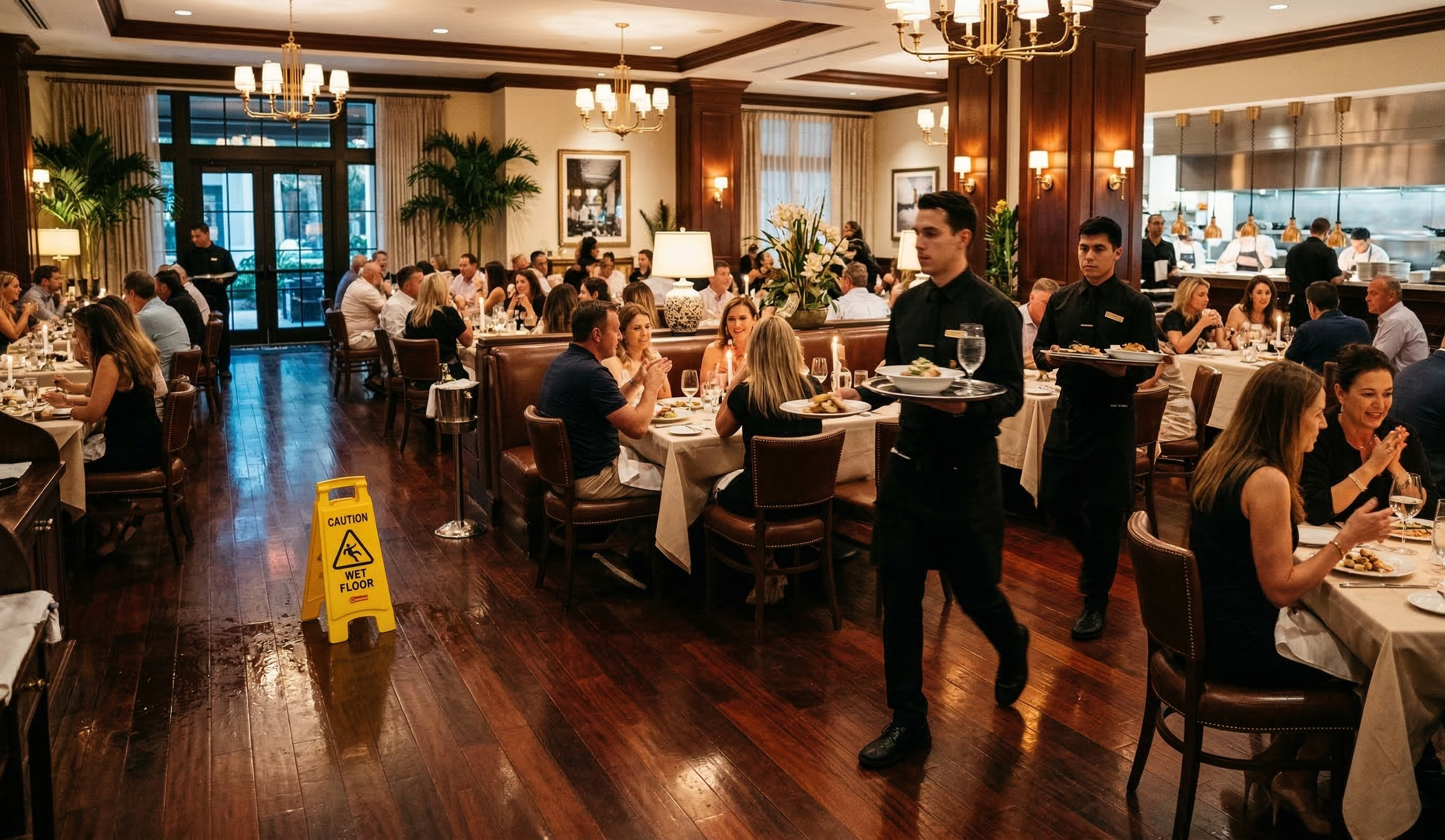
Why General Liability Insurance for Restaurants Matters So Much
Even with its limitations, general liability insurance for restaurants remains one of the most important foundational coverages in the hospitality industry. The SBA’s business insurance guidance says general liability insurance protects against financial loss caused by bodily injury, property damage, medical expenses, and certain legal defense costs. For a restaurant, that matters because the business constantly interacts with the public in a physical space where accidents can happen.
Restaurants serve hot food and drinks, move customers through dining areas, manage spills, store cleaning products, use hard flooring, handle deliveries, and maintain seating areas with ongoing turnover. These conditions make third-party injury and property damage risk a normal part of operations, not a rare exception. CIS’s own restaurant and entertainment insurance page reflects this by listing general liability insurance as one of the core coverages for restaurants and explaining that it protects against damages and injuries occurring on the business premises.
From an editorial standpoint, the best way to think about restaurant general liability insurance is as a key outer layer of protection around public-facing operations. It can be highly relevant when a customer is injured or when the business is alleged to have caused certain kinds of third-party damage. But that does not mean it automatically extends to every claim category a restaurant may face.
What General Liability Insurance Usually Helps Cover for Restaurants
A useful way to understand general liability coverage for restaurants is to start with the type of claims it is commonly associated with. The SBA specifically lists bodily injury, property damage, medical expenses, libel, slander, and defense costs as part of the typical general liability framework. In restaurant settings, that often connects to several common exposure types.
Customer Slip-and-Fall Claims
This is probably the most familiar example. A guest slips near an entrance during rain, trips on an uneven surface, or falls because of a spill in a service area. These are exactly the kinds of third-party bodily injury scenarios that make general liability relevant.
Property Damage to Others
If restaurant operations somehow damage another party’s property, general liability may also become important. This is part of the standard third-party property damage role the SBA associates with general liability coverage.
Some Premises-Based Injury Allegations
Restaurants welcome a constant flow of customers, vendors, and visitors. When the alleged harm is connected to the premises and involves third parties, general liability often sits near the center of the insurance response discussion.
Certain Legal Defense Costs
One reason liability protection for restaurants matters is that even questionable claims can be expensive to defend. The SBA explicitly notes that general liability can help with defending lawsuits and with settlements or judgments in covered situations.
These examples help explain why restaurant owners value general liability so highly. It can be essential. The mistake is not in valuing it. The mistake is in assuming it covers everything else.
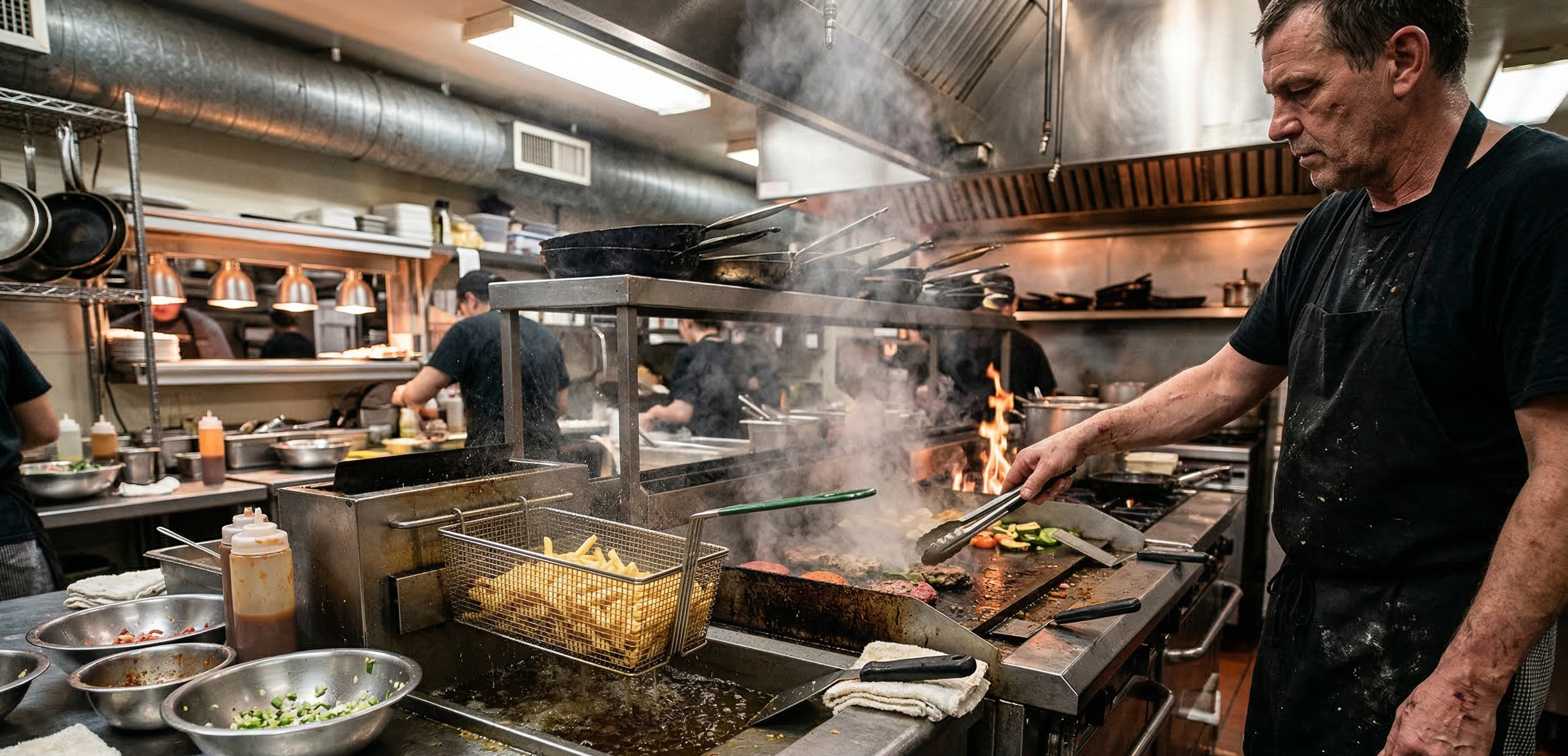
Where General Liability Insurance for Restaurants Stops
This is where many restaurants misunderstand their protection. General liability insurance for restaurants is not a master policy for every kind of restaurant loss. It is only one part of a broader commercial insurance structure.
Employee Injuries Are Not the Same as Customer Injury Claims
One of the clearest limitations is employee injury. A common restaurant claim scenario is not a customer falling in the dining room, but an employee getting hurt in the kitchen, prep area, or cleanup process. Florida’s workers’ compensation system exists precisely because employee injury risk is handled differently. The Florida Division of Workers’ Compensation says employers working in Florida must provide workers’ compensation coverage based on industry, employee count, and entity structure, and its system guide outlines coverage rules under Chapter 440, Florida Statutes.
That distinction is critical for restaurants because OSHA’s restaurant materials show how common worker injury exposure really is. Workers may face burns while serving, strains and sprains while cooking, cuts and machine guarding hazards in food preparation, and lifting-related strain during cleanup. These are not rare edge cases. They are normal operational risks. So when owners ask whether restaurant liability insurance protects the business from the most common claims, the answer is incomplete if it ignores employee injuries. General liability is not the same thing as workers’ compensation.
Property Damage to the Restaurant Itself Is a Different Issue
If a restaurant suffers damage to its own building improvements, furniture, equipment, or contents, that is not the same as third-party property damage. CIS’s restaurant page separates general liability from property insurance, and specifically states that property insurance protects equipment, fixtures, and furniture. That distinction matters because many restaurants wrongly assume that “liability” means protection for anything bad that happens on-site. It does not.
Vehicle-Related Restaurant Claims Often Fall Outside General Liability
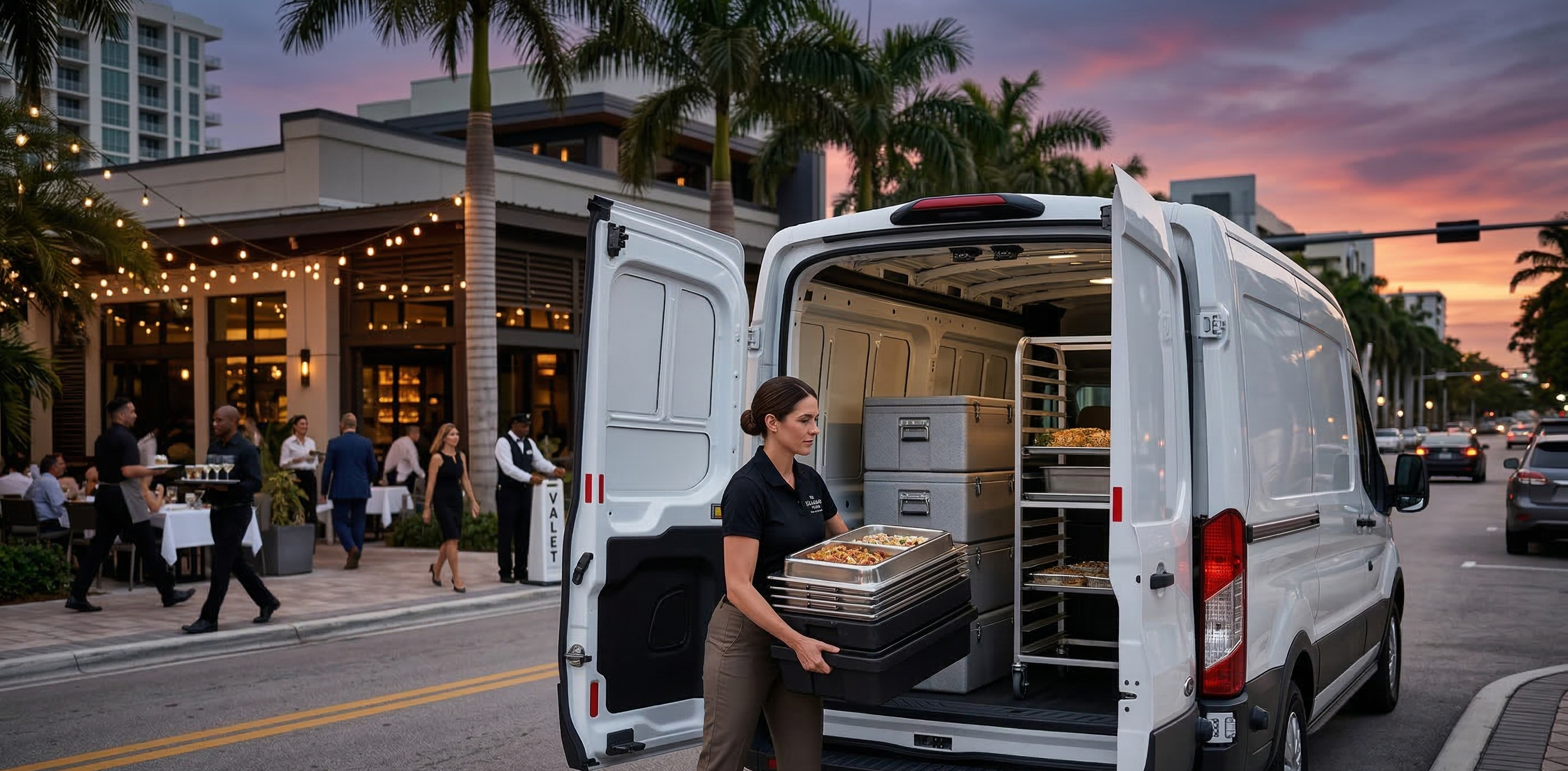
Restaurants increasingly rely on vehicles, whether through catering, supply runs, delivery, management errands, or employee use of personal vehicles for business purposes. CIS’s commercial auto page lists liability, collision, comprehensive, non-owned auto, and hired auto coverages, which shows that vehicle exposure is addressed through a dedicated commercial auto structure rather than through generic general liability alone.
This matters because a restaurant may think it is “not really an auto business” while still creating meaningful vehicle-related liability through daily operations. In those cases, general liability coverage for restaurants is not the whole answer.
Alcohol-Related Incidents Can Require Specialized Coverage
CIS’s restaurant and entertainment page separately lists liquor liability insurance among core restaurant coverages. That alone signals an important point: restaurants with alcohol exposure should not casually assume that general liability fully resolves alcohol-related claim risk. If the business serves alcohol, that issue deserves its own insurance review.
Why Restaurants Misread General Liability So Often
The misunderstanding around general liability insurance for restaurants usually comes from how restaurant owners experience risk. Most of them do not think in policy categories. They think in practical scenarios. A customer gets hurt. A worker gets burned. A vehicle is used for a supply run. A freezer fails. A bar incident escalates. To the owner, these all feel like “restaurant problems.” But insurance does not organize itself around that simple label.
Insurance works by category, and those categories matter. CIS’s own service structure separates restaurant and entertainment insurance, workers’ compensation, commercial auto, general liability, and other business coverages across distinct pages and product lines. That structure reflects real differences in how claims are classified and how businesses should think about protection.
The result is that many owners overestimate the reach of general liability because it is the most familiar policy name. It sounds broad. It is broad in one sense. But it is not universal.
The Most Common Restaurant Claims Are Often Multi-Layered
To answer whether general liability insurance for restaurants protects against the most common claims, it helps to look at how restaurant claims actually unfold. They are often multi-layered rather than isolated.
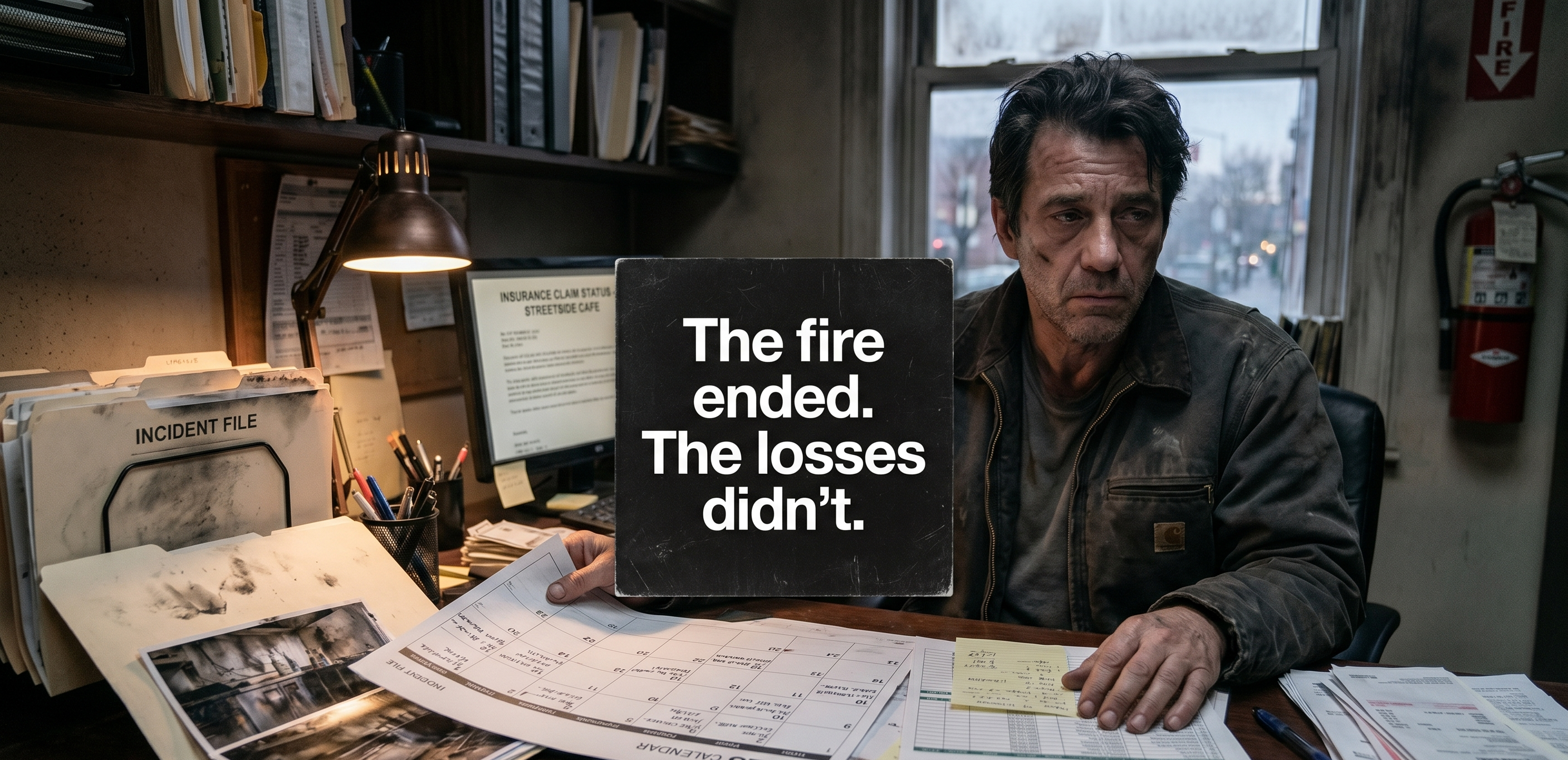
A wet-floor incident may begin as a customer injury claim. But if an employee was also injured while trying to clean up the area, workers’ compensation becomes relevant too. A fire event may create property damage to the restaurant itself, business interruption concerns, and potential third-party claims depending on the facts. A delivery-related incident may raise both operational and auto liability questions. A late-night altercation in a restaurant with alcohol service may not fit neatly into general liability assumptions.
This is why CIS’s restaurant insurance positioning is more realistic than a one-policy narrative. Its restaurant and entertainment page groups together general liability, property insurance, liquor liability, cyber liability, workers’ compensation, commercial auto, and equipment breakdown. That bundled perspective is important because the most serious restaurant claims often involve overlapping operational realities.
Florida Restaurants Also Need to Think About Compliance Exposure
There is another reason restaurant general liability insurance cannot be treated as the full protection plan: compliance. Florida’s workers’ compensation rules create obligations independent of whether the owner feels adequately insured in a general sense. The Florida Department of Financial Services states that employers conducting work in Florida are required to provide workers’ compensation coverage depending on their business profile, and the enforcement division says that when an employer operates without required coverage, investigators may issue a Stop-Work Order requiring the business to cease all operations until it complies with the law and pays a penalty.
That means a restaurant could hold a general liability policy and still face serious exposure if it ignores workers’ compensation obligations. The state’s enforcement materials make clear that operating without required workers’ compensation is not a minor paperwork issue. It can become an operational shutdown issue.
This is especially relevant in restaurants because staffing structures can change quickly. A concept may begin small and then add part-time servers, prep workers, dishwashers, managers, or kitchen staff. Once those changes occur, the risk picture changes with them.
What a Stronger Restaurant Insurance Strategy Looks Like
A stronger answer to the question behind this article is not “yes” or “no.” It is closer to this: general liability insurance for restaurants is essential, but it protects only one major layer of a restaurant’s claim exposure.
A more realistic restaurant insurance strategy usually includes asking separate questions:
Does the business face customer injury and third-party property damage exposure? If so, general liability matters.
Does the business have employees exposed to burns, slips, cuts, lifting strain, or cleanup injuries? If so, workers’ compensation review matters. OSHA’s restaurant pages and Florida’s workers’ compensation rules both support that conclusion.
Does the business rely on physical equipment, furniture, buildout, and fixtures? If so, property protection matters. CIS’s restaurant page identifies property insurance as a separate core coverage area.
Does the business serve alcohol? If so, liquor liability deserves separate review. CIS specifically lists it as restaurant-relevant coverage.
Does the business use vehicles in any operational way? If so, commercial auto review matters, especially where hired or non-owned auto exposure may exist. CIS’s commercial auto page explicitly identifies those forms of coverage.
That is what risk-management-oriented thinking looks like. It is less about buying “more insurance” in the abstract and more about matching coverage categories to how the restaurant actually functions.
Practical Signs a Restaurant May Be Over-Relying on General Liability
There are several warning signs that a restaurant may be leaning too heavily on general liability as a catch-all solution.
The owner is not sure what policy handles employee injuries
That usually signals a workers’ compensation blind spot. Florida’s system makes clear that employee injury coverage follows separate rules and requirements.
The business uses vehicles informally
If managers pick up supplies, staff make deliveries, or personal vehicles are used for business errands, the restaurant may have vehicle-related exposure that general liability does not fully address. CIS’s commercial auto page exists for exactly this reason.
The restaurant serves alcohol but has never reviewed liquor-specific exposure
CIS’s restaurant page separates liquor liability from general liability, which is a strong indicator that restaurant owners should not assume they are interchangeable.
The owner assumes “liability” covers damage to the restaurant’s own equipment
CIS’s coverage structure separates liability from property protection.
Staffing has grown, but insurance review has not
Florida workers’ compensation obligations depend on the business profile and employee structure, and the enforcement consequences for getting it wrong can be severe.
So Does General Liability Insurance Really Protect a Restaurant From the Most Common Claims?
The most accurate answer is that general liability insurance for restaurants protects against some of the most common public-facing claims, but not all of the most common restaurant claims overall. It can be central when the issue involves third-party bodily injury, certain property damage claims, and related legal defense costs. The SBA’s description of general liability supports that role clearly.
But restaurant risk does not stop at third-party premises liability. Some of the most frequent operational exposures in restaurants involve employee injuries, kitchen hazards, vehicle use, alcohol service, and property-related problems. OSHA’s restaurant materials show how broad the workplace hazard environment is, and Florida’s workers’ compensation framework shows that employee-risk compliance cannot be ignored.
That is why a restaurant relying only on general liability is often protected in one important area but under-protected in others.
Final Thoughts
For restaurant owners, general liability insurance for restaurants should be viewed as a foundation, not as the entire building. It matters because restaurants face real third-party injury and property damage exposure, and general liability is designed to respond to that kind of risk. The SBA’s business insurance guidance makes that clear. But restaurants also face employee injury exposure recognized by OSHA, workers’ compensation obligations enforced by Florida, and operational risks that extend into property, auto, and alcohol-related categories.
For that reason, the smarter question is usually not whether general liability matters. It does. The smarter question is whether the restaurant’s overall insurance structure reflects how the business actually operates. In an external editorial setting, that is the natural point where a reader may want broader restaurant-specific insurance guidance.
 USA.CIS

 Dubb
Dubb