
When water floods a home at two in the morning, or mold is discovered behind a bathroom wall during a renovation, or a tropical storm peels back a corner of a commercial roof and lets in three inches of rain, the first instinct for most property owners in Orlando is financial. How much is this going to cost me? How much will insurance cover? And will hiring a professional restoration company actually help or hurt my bottom line?
The answer to that last question surprises most people. A widespread assumption among homeowners and property investors is that restoration companies are an added expense on top of the disaster, that engaging professionals increases the total spend rather than reducing it. The reality, supported by how insurance claims actually work and how water damage actually behaves in structures, is precisely the opposite.
Professional restoration services, when engaged quickly and executed by a qualified team, consistently result in lower total financial exposure for property owners. They do this through several interconnected mechanisms: preventing secondary damage that would otherwise require separate and more expensive claims, producing documentation that supports accurate and complete insurance reimbursement, limiting the scope of work required by stopping damage progression before it compounds, and meeting the duty-to-mitigate requirements that most insurance policies contain.
Going Green Restoration USA has helped Orlando homeowners, vacation rental operators, and business owners navigate exactly this equation for years. Their team, available through 24/7 Emergency Restoration Orlando services, understands both the technical side of property restoration and the insurance dynamics that determine how much of that restoration a policy will ultimately cover.
This article examines the relationship between professional restoration and insurance outcomes in detail, giving Orlando property owners the information they need to make smart decisions the moment water damage or mold strikes.
Understanding the Duty to Mitigate
Before examining how restoration affects insurance payouts, it is essential to understand a concept that most policyholders do not encounter until a claim is disputed: the duty to mitigate.
Nearly every standard homeowner’s insurance policy in Florida contains language requiring the policyholder to take reasonable steps to prevent further damage after a covered loss event occurs. This is called the duty to mitigate, and it has direct, significant consequences for how insurance companies evaluate claims.
When a pipe bursts and a homeowner waits three days before calling anyone, allowing water to migrate through subfloor, saturate wall cavities, and begin generating mold, the insurance adjuster reviewing that claim has grounds to deny coverage for the secondary damage on the basis that the policyholder failed to take reasonable mitigation steps. The initial pipe burst may be a covered event. The mold remediation required three weeks later because nothing was done in the first 72 hours may not be.
This is not a theoretical risk. Insurance companies in Florida apply this provision regularly, and the documentation gap between what a policyholder claims happened and when it happened versus what professional records show is often where claims fall apart.
Engaging a professional restoration company like Going Green Restoration USA immediately after a water event creates a documented record of mitigation action, timestamped reports, moisture readings, extraction logs, equipment deployment records, that directly satisfies the duty-to-mitigate requirement and protects the policyholder’s coverage entitlement on secondary damage.
The Federal Emergency Management Agency’s disaster recovery resources consistently emphasize in their published guidance that prompt professional response is the foundation of effective disaster recovery, and that documentation of that response is what makes recovery claims stick.

How Professional Documentation Changes Claim Outcomes
Beyond the duty to mitigate, professional restoration documentation affects insurance claims in several other concrete ways.
Scope of Damage Accuracy
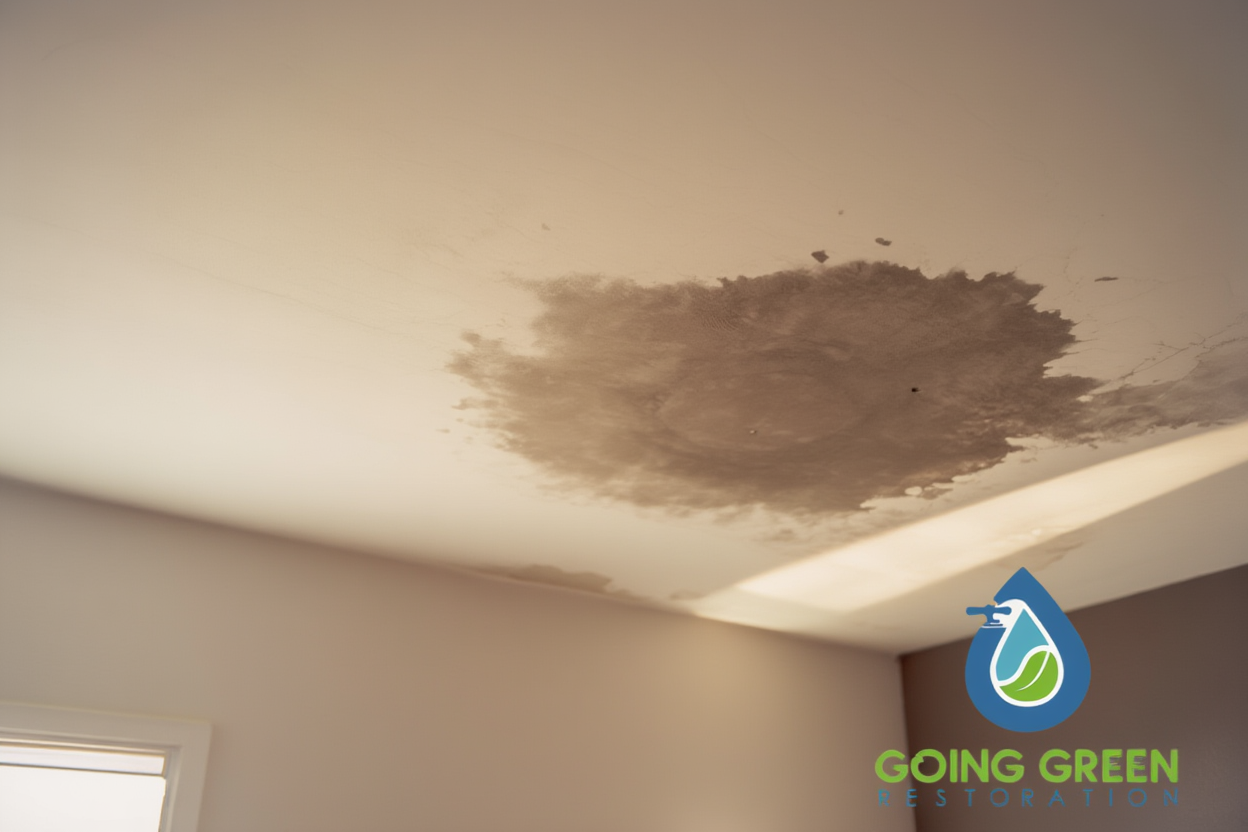
Insurance adjusters work from visible evidence. A homeowner walking an adjuster through a water-damaged room points out what they can see, stained ceilings, warped flooring, wet drywall. What they cannot demonstrate without professional equipment is the moisture content inside wall cavities, the saturation level of subfloor materials, the migration of water along structural framing to areas nowhere near the original event, or the early-stage mold growth developing behind intact surfaces.
Professional restoration companies use moisture meters, thermal imaging cameras, and structured inspection protocols to identify and document the full scope of damage, including everything invisible to the naked eye. Their reports give adjusters a complete picture that typically results in a more accurate, and more complete, settlement.
Homeowners who handle claims without professional documentation often discover that their settlement does not cover work that was genuinely necessary, simply because no one documented that the need existed at the time of adjustment.
Material and Labor Cost Validation
Restoration companies provide itemized documentation of every material used and every hour of labor performed. This documentation, formatted according to industry standards and often cross-referenced with pricing databases like Xactimate that insurance companies themselves use, gives adjusters the direct comparisons they need to approve line items efficiently.
Homeowners submitting claims without professional documentation often receive lower settlements because they lack the industry-standard cost justification that adjusters require to approve specific line items. The restoration company’s detailed invoice is not just a bill, it is evidence.
Timeline Documentation That Prevents Disputes
One of the most common points of dispute in water damage claims is the timeline, specifically, whether damage was pre-existing or occurred during the claimed event, and whether secondary damage resulted from the covered event or from the policyholder’s failure to act. A professional restoration company’s timestamped documentation, initial assessment report, daily moisture readings, equipment logs, treatment records, creates an objective timeline that makes these disputes nearly impossible to sustain.
The Secondary Damage Equation
The most financially significant way that professional restoration reduces total insurance exposure is by preventing secondary damage, damage that would otherwise require its own separate, more expensive resolution.
Water damage and mold are the two most common examples of this dynamic, and in Florida’s climate they are inseparable.
When water intrudes into a structure and is not professionally extracted and dried within an appropriate timeframe, the following sequence is virtually guaranteed: moisture migrates further into structural materials than the original surface event suggests; humidity elevates in enclosed spaces like wall cavities and subfloor voids; mold colonizes within 24 to 48 hours on wet organic materials; and the scope of affected material expands daily until professional intervention occurs.
The U.S. Environmental Protection Agency’s mold remediation guidelines note in their published resources that mold growth begins rapidly following water intrusion and that larger affected areas require more intensive and expensive professional remediation. Every day of delay between water intrusion and professional response is a day during which the scope, and cost, of eventual remediation expands.
A professional restoration team that arrives within hours of a water event and completes proper structural drying frequently saves the property from mold remediation entirely. The cost of the initial restoration is a fraction of what mold remediation, material replacement, and secondary claim processing would have cost if that restoration had been delayed or skipped.
Going Green Restoration USA’s Orlando Water Damage Restoration process is specifically designed around this principle, fast response, complete extraction, professional drying, and eco-certified antimicrobial treatment as a standard part of the initial restoration, not an afterthought.

What Insurance Companies Actually Look For
Understanding what insurance companies evaluate during a claim helps property owners make decisions that protect their coverage outcomes.
Professional Certification and Licensing
Insurance companies give significantly more weight to restoration documentation produced by licensed, certified professionals than to owner-produced records or work performed by uncertified contractors. Certification from the Institute of Inspection, Cleaning and Restoration Certification (IICRC), the industry standard body, signals to adjusters that the work was performed according to established professional standards. Going Green Restoration USA’s team holds the certifications that insurance companies recognize and respect.
Industry-Standard Reporting Formats
Adjusters process many claims simultaneously. Reports formatted in familiar, industry-standard structures, using recognized terminology, standardized moisture reading formats, and itemized scopes of work, are processed more efficiently and disputed less frequently than informal homeowner narratives or non-standard contractor invoices.
Photographic Evidence Volume and Quality
Professional restoration companies photograph affected areas comprehensively, wide shots establishing context, close-ups showing specific damage, thermal images revealing hidden moisture, before-and-after comparisons of treated areas. This visual record is the foundation of any successful claim and is something homeowners rarely produce with the thoroughness that adjusters need.
Continuity of Documentation
A claim supported by documentation that begins at the initial discovery event and continues through every stage of restoration, extraction, drying, antimicrobial treatment, material removal, reconstruction, is a fundamentally stronger claim than one assembled retrospectively from memory and receipts. Professional restoration companies create this continuous documentation as a standard byproduct of their work.
The Vacation and Rental Property Dimension
For Orlando’s substantial vacation rental and investment property community, the insurance dynamics of water damage and restoration carry additional complexity worth addressing directly.
Vacation rental properties often sit unoccupied between bookings, meaning water events can go undetected for extended periods. A supply line failure that would be discovered within hours in a primary residence may go undetected for a week or more in a vacation property between guest stays. By the time the damage is discovered, what could have been a contained restoration event has become a multi-room mold remediation project.
Insurance companies scrutinize vacation rental claims carefully, particularly when delayed discovery is involved. The question of whether the policyholder maintained adequate oversight of the property, including regular inspections and prompt response to issues, is directly relevant to coverage outcomes. Smart water sensors, regular inspection schedules, and a pre-established relationship with a restoration company like Going Green Restoration USA, a trusted Orlando Restoration Company, are the practical tools that demonstrate responsible property stewardship and support favorable claim outcomes.
Their Orlando Residential Mold Remediation team has extensive experience working with vacation property owners managing claims remotely, providing the on-site professional presence and documentation that remote owners cannot produce themselves.
When Insurance Policies Create Complications
It would be incomplete to discuss restoration and insurance without acknowledging where complications arise, and how professional restoration helps navigate them.
Coverage Exclusions for Gradual Damage
Most standard homeowner policies cover sudden and accidental water damage but exclude gradual damage, leaks that developed over time rather than from a discrete event. The line between sudden and gradual is often contested, and insurance companies apply the exclusion aggressively.
Professional restoration companies understand how to document the characteristics of damage that support the sudden-event narrative when that is accurate, specific failure points, the absence of pre-existing staining, moisture readings consistent with a recent event rather than chronic exposure. This documentation expertise is part of the value a professional restoration team brings beyond the physical work.
Mold Coverage Limitations
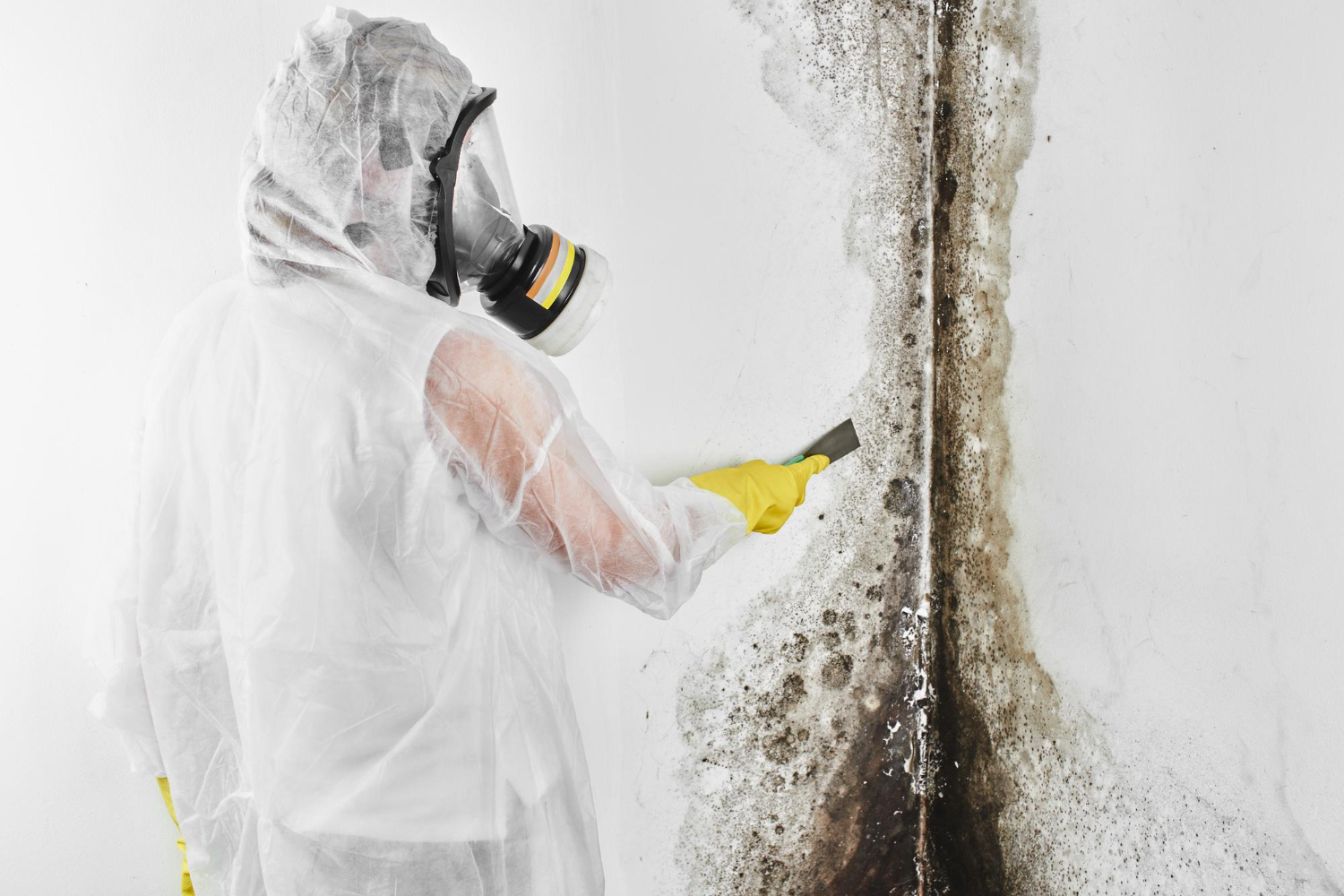
Many Florida homeowner policies cap mold coverage at relatively low limits, sometimes $10,000 or less, separate from the broader property damage coverage. When mold develops as a consequence of a covered water event, properly documenting the causal connection between the original event and the mold development is essential for accessing the broader property damage coverage rather than being limited to the mold sublimit.
Going Green Restoration USA’s Mold Removal Orlando process includes documentation that establishes exactly this causal chain, moisture readings from the initial water event, evidence of the progression timeline, and professional assessment of the connection between water intrusion and mold development.
The Role of Public Adjusters
For large or complex claims, some property owners engage public adjusters, licensed professionals who represent the policyholder’s interests in negotiating with insurance companies. Public adjusters consistently report that their most effective cases are built on thorough professional restoration documentation. The restoration company’s reports are the evidentiary foundation that public adjusters use to negotiate settlements.
The CDC’s guidance on mold and health impacts, available through their published environmental health resources, is also sometimes referenced in claim negotiations to establish the health necessity of professional mold remediation, supporting coverage arguments for the full scope of remediation work.
The Real Numbers: What Delay Costs Property Owners
The financial case for immediate professional restoration is not theoretical. The cost differential between prompt professional response and delayed or absent response is measurable and significant.
Industry data consistently shows that water damage restoration costs increase substantially for every 24-hour period that water remains in a structure without professional drying. Materials that can be dried in place during the first 24 to 48 hours typically require removal and replacement if drying is delayed beyond 72 hours. A standard drywall section that costs a fraction of its replacement value to dry may cost several hundred dollars to remove, dispose of, replace, and refinish if drying is delayed too long.
Multiply that across the multiple walls, ceiling sections, and flooring areas typically involved in even a moderate water event, and the cost differential between immediate and delayed professional response routinely reaches tens of thousands of dollars.
And that calculation does not include mold remediation, which adds containment labor, HEPA filtration equipment, antimicrobial products, additional material removal, air quality testing, and clearance documentation to the scope.
Going Green Restoration USA’s Water Damage Repair Orlando services are priced to reflect the genuine value of fast, professional response, and the investment consistently proves itself against the alternative of delayed action and expanded secondary damage.
The Professional Difference Is Measurable
For Orlando homeowners, vacation property investors, and business owners, the question of whether professional restoration services reduce insurance payouts has a clear answer grounded in how insurance claims actually work, how water damage actually progresses in structures, and how documentation actually affects settlement outcomes.
Professional restoration services, engaged promptly and executed by a qualified, certified team, consistently produce better financial outcomes than delayed response or DIY mitigation. They do this by satisfying duty-to-mitigate requirements, producing documentation that supports complete and accurate settlements, preventing secondary damage that would otherwise generate additional claim exposure, and providing the kind of professional credibility that moves insurance adjustments efficiently toward fair resolution.
Going Green Restoration USA has been serving Central Florida property owners through exactly these situations since 2014. Their team is certified, experienced in insurance coordination, available around the clock, and committed to the eco-friendly practices that protect both the property and the people inside it.
To learn more about their full range of restoration services, or to speak with their team directly about an active water damage or mold situation, visit goinggreenrestorationusa.com or call (407) 800-9204. Their team is available 24 hours a day, 7 days a week, because water damage and insurance outcomes both improve with speed.
 Dubb
Dubb