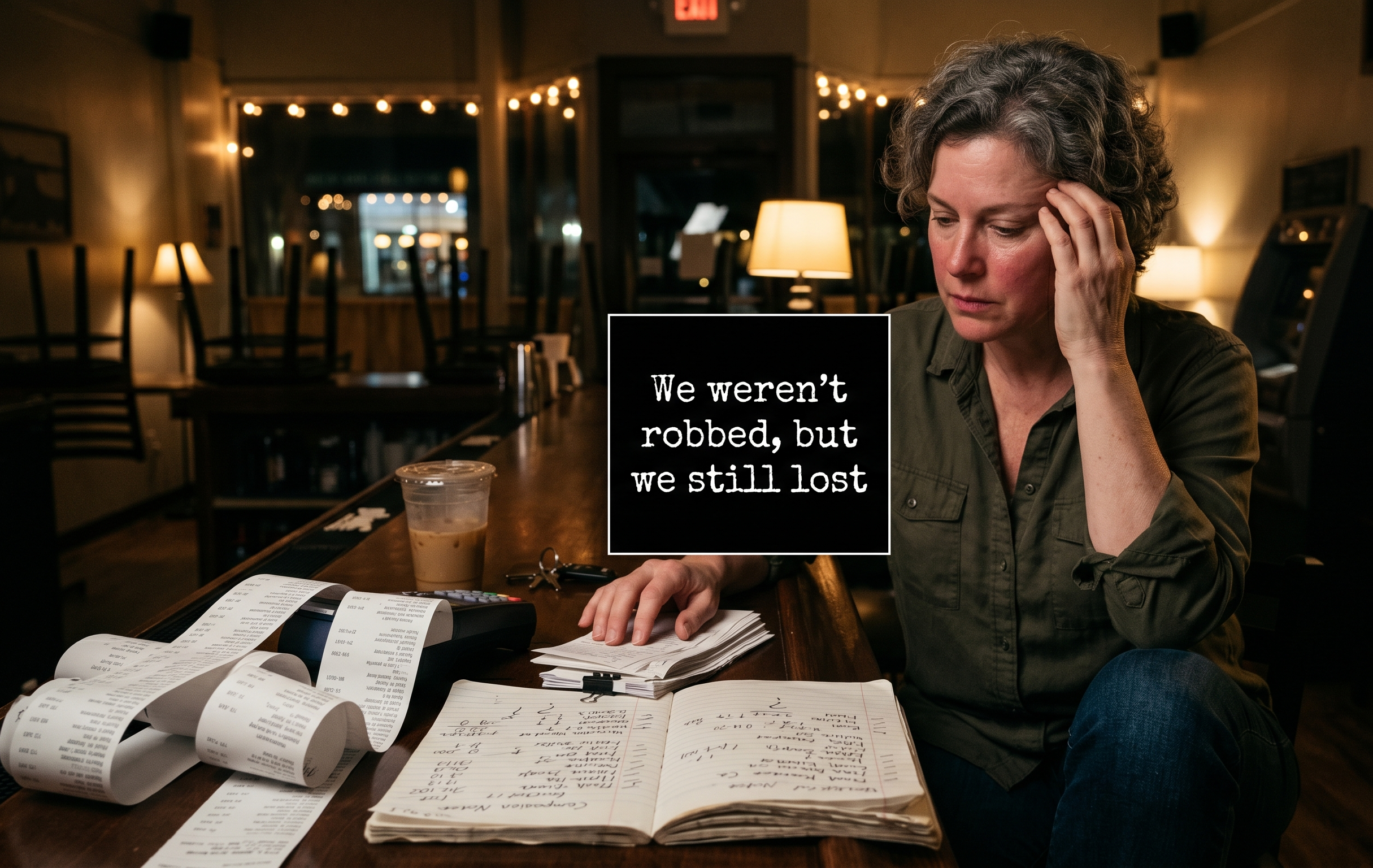
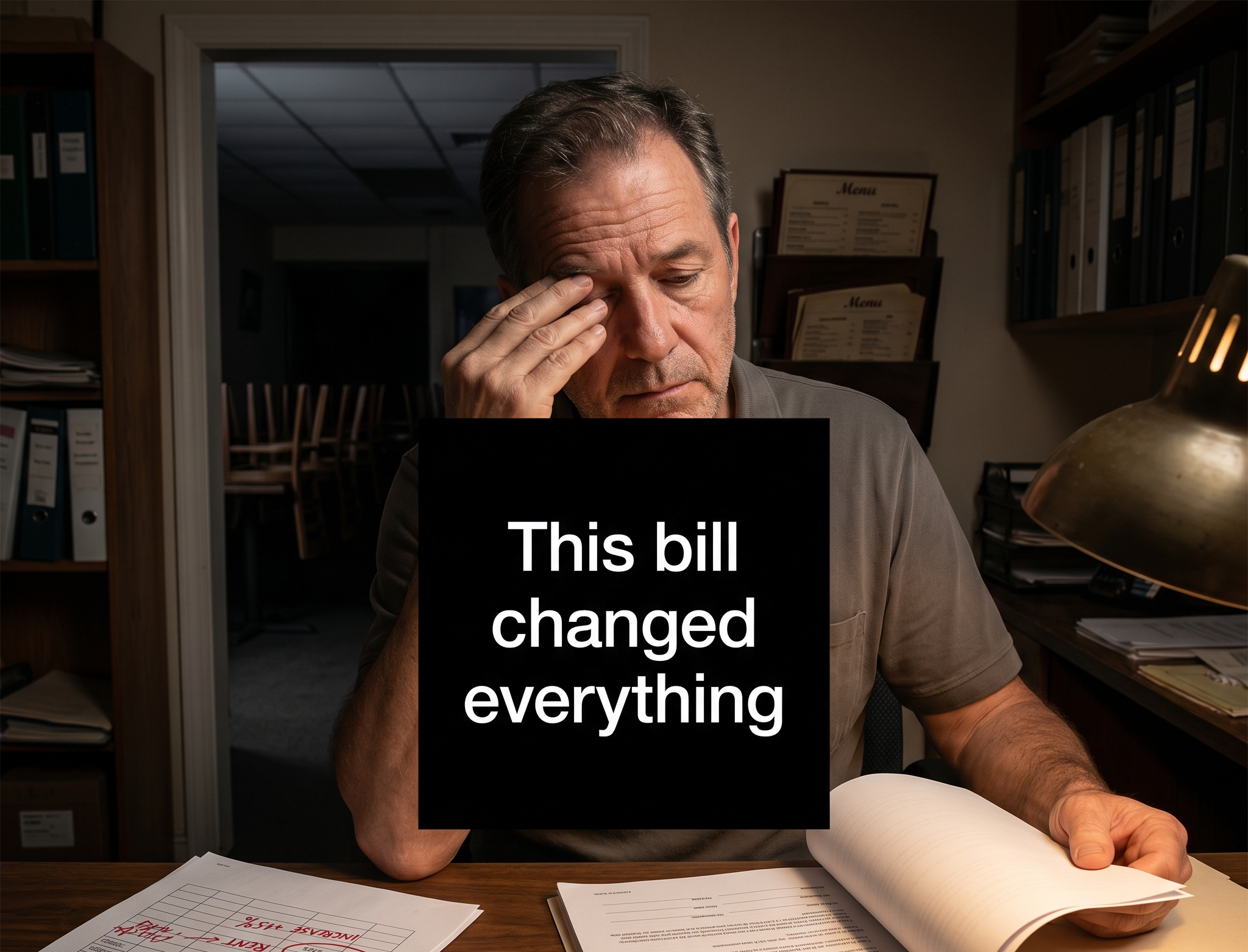
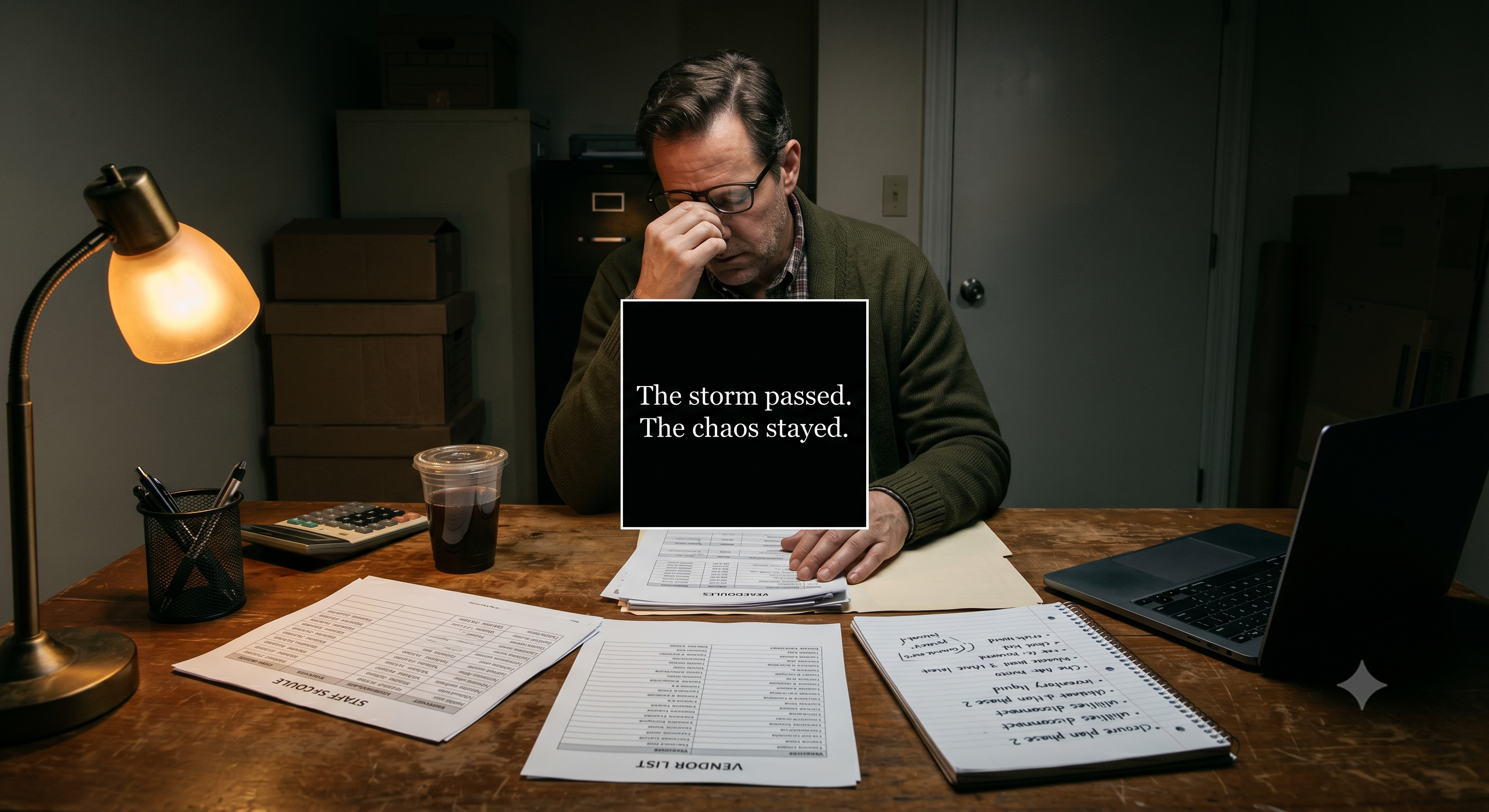
On a Tuesday morning, the owner opened the renewal email and stared at the number longer than he wanted to admit.Nothing dramatic had happened that year. No major fire or no viral scandal. Neither visible collapse. The restaurant still opened on time, still served guests, and still looked busy enough from the outside. Yet the new premium landed on his desk like a warning.
The increase did not feel like a routine adjustment. It felt like one more piece of pressure in a business that already had too little room to absorb pressure. That is where the story of rising restaurant insurance costs begins. It begins in the quiet moment when an owner realizes that insurance is no longer just another bill. It is starting to shape how the business thinks. The National Restaurant Association said in its 2026 State of the Restaurant Industry release that more than 9 in 10 operators cite food, labor, insurance, energy, and swipe fees as significant challenges. It also said 42% of operators reported that their restaurant was not profitable the year before.
At first, the owner tried to make the increase feel manageable. He told himself the restaurant would work around it. Maybe the menu could absorb some of the pain or labor could tighten a little more. Perhaps a supplier contract could be pushed harder. But that kind of reasoning is exactly why rising restaurant insurance costs now deserve more serious attention. The pressure does not stay inside the insurance line. It leaks into pricing, staffing, cash flow, and risk tolerance. The National Restaurant Association’s research says rising costs remain the industry’s key stressor and continue to limit margins. It also says operators face a challenging environment marked by uneven traffic and higher operating expenses.
The story matters because it is ordinary. It is not about a reckless owner or a business in obvious chaos. It is about a restaurant that keeps working while the math gets harder. In that environment, rising restaurant insurance costs stop sounding like a finance topic and start sounding like an operating story. This is also where broader risk management becomes part of the conversation. Insurance cost pressure does not sit outside operations. It changes how operators look at risk, spending, and future decisions.
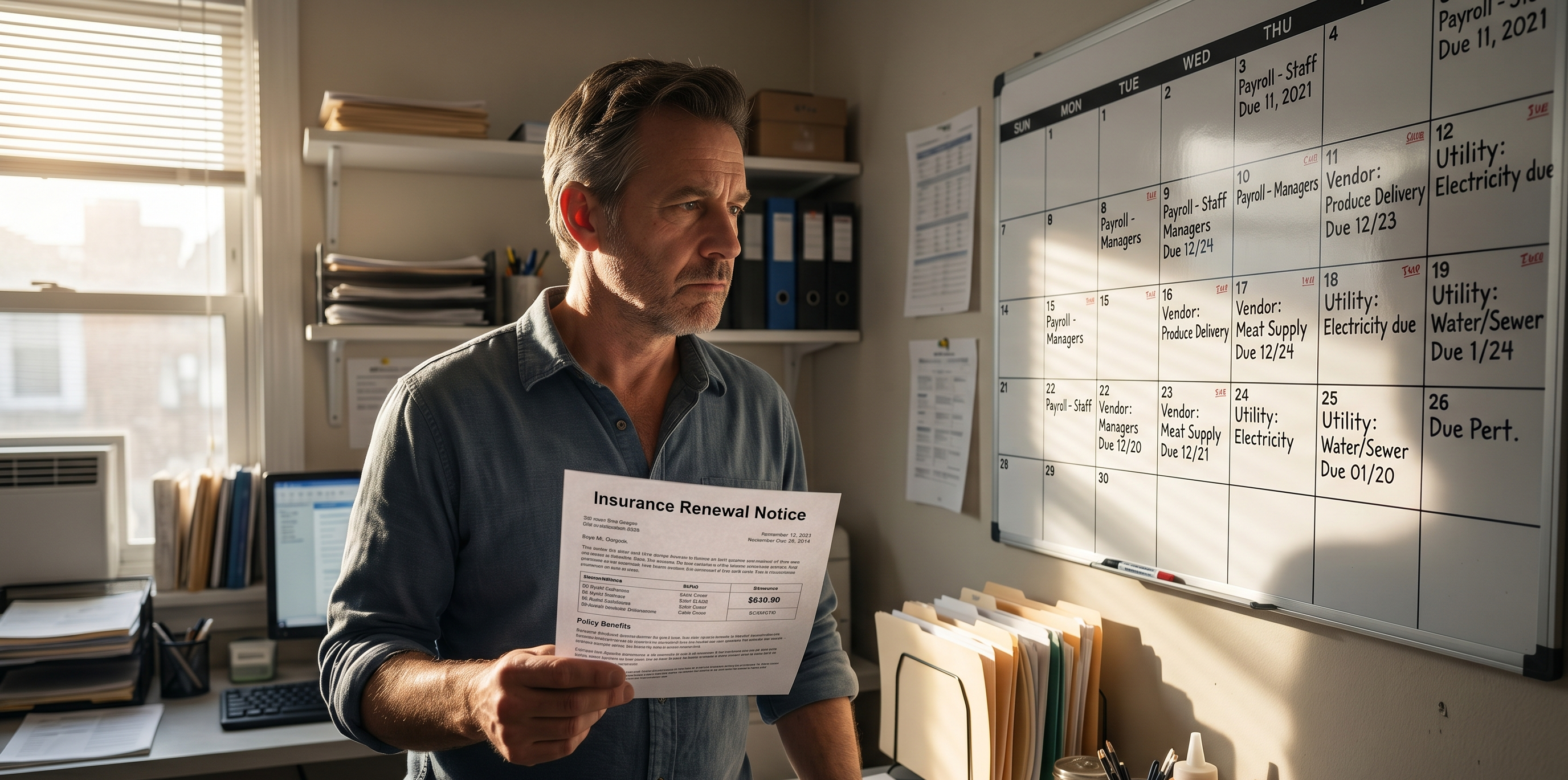
Rising Restaurant Insurance Costs Change the Mood Before They Change the Budget
The owner did not cut anything that morning. He did not rewrite the menu. He did not call staff into a meeting. But the mood changed. That is part of the point.
When rising restaurant insurance costs hit a business that already works on tight margins, the first effect is often psychological. The owner starts looking at everything through a narrower lens. A maintenance project now feels easier to delay. A new hire feels riskier. A promotion feels less attractive if the extra volume will not fix the margin problem. The National Restaurant Association’s 2026 industry release says persistent cost increases continue to shape restaurant decision-making and that operators remain under cost pressure even when demand still exists.
That shift matters because restaurants do not make decisions in isolation. They make them in bundles. A business under cost strain does not say, “Only insurance changed.” It says, “One more thing got more expensive.” The Association’s 2025 profitability analysis makes that point from another angle. It said total restaurant input costs had risen 30% since before the pandemic and reminded readers that a typical restaurant had only about a 5% pre-tax profit margin before those increases. That left little room for sustained cost growth.
So when owners talk about rising restaurant insurance costs, they are rarely talking about that bill alone. They are talking about cumulative pressure. Insurance becomes part of a larger story in which food, labor, utilities, health benefits, and payment-related costs all compete for a limited margin. That is why the increase feels heavier than the invoice alone would suggest.
The Real Story Is Not the Premium. It Is the Margin
In the story, the owner prints the renewal and sets it next to the weekly numbers. That is when the increase becomes real.
The question is not simply whether the new premium is annoying. The question is what it does to the margin. The National Restaurant Association has said clearly that rising costs continue to pressure profitability. Its 2025 profitability analysis showed that restaurants were already facing steep increases across key input categories, while its 2026 report said many operators remain unprofitable even before solving for new cost pressures.
That is why rising restaurant insurance costs matter more than many outside the industry realize. A restaurant can survive many expenses when margins are healthy. It cannot absorb them the same way when profitability is already thin. If an operator was barely keeping the math together, a larger insurance bill does not remain a side issue. It becomes part of the reason the business starts making smaller, more defensive choices.
The owner in the story does what many owners do. He starts dividing costs into those he can push back on and those he cannot. Insurance often feels like one of the harder ones. That creates frustration because it turns the rest of the business into the adjustment zone. Menu pricing, scheduling, purchasing, and planned improvements now carry the burden of offsetting an increase that did not create visible new revenue. That is the point where rising restaurant insurance costs move from irritation to strategy.
Rising Restaurant Insurance Costs Push Owners Into Harder Tradeoffs
By the end of the week, the owner has started asking sharper questions.
Can the restaurant raise prices again without losing traffic? Should it cut hours on slower days or delay equipment work that still seems optional? What about shrinking manager coverage on certain shifts? None of those questions begin as insurance questions. Yet rising restaurant insurance costs help create them when margins are already under strain.
The National Restaurant Association’s 2026 release said operators plan to keep investing in efficiency, training, and technology to handle persistent pressure. That detail matters because it shows the industry is not simply absorbing higher costs passively. Operators are actively trying to rebuild margin through better systems. But that also means each new cost increase competes with investments that might strengthen the business long term.
This is where the story gets more serious. A restaurant under insurance pressure may begin making choices that look reasonable one by one but weaken resilience over time. Deferred repairs can create future problems. Thinner staffing can strain service and safety. Smaller training budgets can hurt consistency. In other words, rising restaurant insurance costs do not only affect what the business pays. They affect what the business postpones.
That is why the issue belongs in a broader operational discussion, not only an accounting one. Once higher insurance expense starts crowding out stronger operations, the restaurant may be protecting one financial line by weakening another.
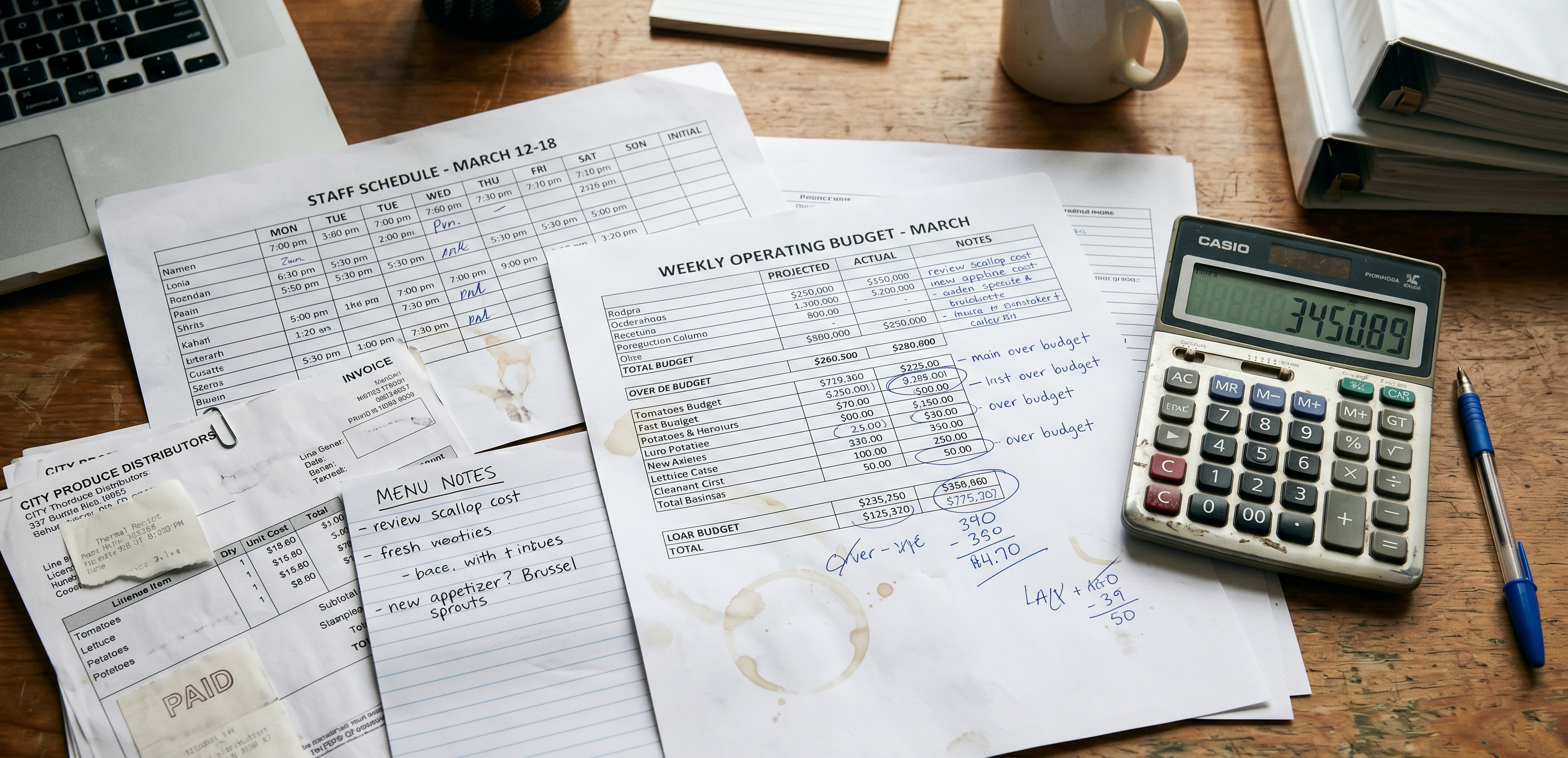
The Owner Starts Seeing Insurance Differently
Before this renewal, the owner treated insurance as protection. After the renewal, he starts treating it as pressure.
That change is important. Insurance still protects the business. But rising restaurant insurance costs can alter how owners emotionally relate to that protection. Instead of feeling like a stable part of the business, it starts to feel like another volatile variable. When that happens, operators may become more reactive. They may review coverages more aggressively or may question every exposure. Mayve they resent risk in a new way because risk now feels more expensive before any claim even occurs.
The National Restaurant Association’s 2026 release gives useful context here. It says cost pressure is limiting margins while traffic remains uneven. That means many operators do not feel they can solve expense growth simply by selling more. A cost line that rises in that environment hits differently than it would in a cleaner growth period.
That is one reason rising restaurant insurance costs deserve better communication than they usually get. The business problem is not only numerical. It is behavioral. A more pressured operator may underinvest, overcorrect, or delay useful decisions. The cost increase shapes management posture. That can matter almost as much as the bill itself.
Rising Restaurant Insurance Costs and the Temptation to Cut the Wrong Things
The owner never says, “Let’s become reckless.” No one says that. The danger is subtler.
A business under margin strain often starts trimming around the edges. Maybe training gets pushed to next month or a floor issue gets watched instead of fixed. Perhaps staffing gets tighter on a night that really needed more coverage or one manager takes on too many responsibilities at once. Those are the kinds of moves that can quietly increase exposure while trying to control expense. That is why rising restaurant insurance costs can become operationally dangerous if the response is poorly targeted.
The Association’s research on restaurant cost pressure supports this larger pattern. It has repeatedly described an environment in which operators face persistent expense growth and must rely on efficiency, technology, and smarter management to preserve margins. That is different from simply cutting blindly. It suggests that the most effective operators respond with discipline, not panic.
So the story is not “insurance went up, so the owner cut staff.” The story is more nuanced. Insurance went up, margins narrowed, and the owner faced a growing temptation to cut the easiest visible costs rather than the right ones. That is a more realistic and more useful version of the problem. It shows why rising restaurant insurance costs should trigger careful review instead of instinctive retreat.
Health Costs, Labor Pressure, and Insurance Live in the Same Room
By the next month, the owner is no longer discussing insurance in isolation at all.
That is realistic. The National Restaurant Association’s research on health coverage costs noted that labor costs for a typical full-service restaurant represented 36.5% of sales in 2024, including wages, salaries, and benefits such as health insurance. It also said many restaurants remain concerned about rising expenses because inflation keeps compressing margins. In a separate 2025 analysis, the Association again emphasized how little room many restaurants have to absorb continued cost increases.
This matters because rising restaurant insurance costs do not hit a clean spreadsheet. They hit a business already juggling labor, benefits, vendor pricing, occupancy, and customer price sensitivity. The owner in the story understands this now. The renewal is not the only pressure point. It is one more pressure point inside a crowded field. That makes the increase feel larger than it would in a simpler business.
It also explains why owners sometimes sound more emotional than outsiders expect. They are not reacting only to one bill. They are reacting to a pattern. In that pattern, every new cost line feels like an attack on flexibility. That is the real business environment in which rising restaurant insurance costs now land.
Why This Topic Is Bigger Than One Renewal Notice
The reason to tell this as a story is that the renewal email is only the visible trigger. The deeper issue is structural.
The National Restaurant Association’s 2026 State of the Restaurant Industry release described a business climate shaped by persistent cost increases, uneven traffic, and cautious operator optimism. That combination matters. It means many restaurants still have demand, but not enough margin comfort to ignore rising expenses. When insurance moves up in that setting, it becomes a symbol of a wider problem: the business may look active, even healthy, while its financial resilience gets thinner.
That is why rising restaurant insurance costs deserve editorial attention rather than only technical discussion. Operators are not just comparing quotes. They are asking what kind of business remains possible when more of every dollar is already spoken for. The problem is not theoretical. If 42% of operators reported being unprofitable in the prior year, then any meaningful cost pressure matters more than a casual reader might assume.
The story helps show that insurance cost is not boring when it changes decision quality. Once it starts shaping staffing, maintenance, pricing, and tolerance for delay, it becomes part of the business narrative.

Rising Restaurant Insurance Costs Also Change Growth Decisions
At some point, the owner asks a harder question: “Do I still want to grow this business the way I planned?”
That is where the article moves beyond survival. Rising restaurant insurance costs can also alter how a business thinks about growth. Expansion, longer hours, added delivery activity, and more event-driven service may all start to look different when the owner feels less confident about the cost structure surrounding risk.
The Association’s 2026 release said many operators still plan to hire and still expect modest growth, but it also stressed that they are doing so under continued pressure. That detail matters because growth is not disappearing. It is becoming more selective. Operators may still move forward, but with more caution and more scrutiny.
In the story, that means the owner starts asking whether every new activity carries hidden cost beyond the visible one. A packed event sounds attractive. More off-premises volume sounds useful. Longer operating hours sound like opportunity. But if the broader cost environment already feels unstable, then rising restaurant insurance costs can make those opportunities feel less clean than they once did. Growth no longer feels like a simple upside calculation. It becomes a risk-and-margin calculation.
That mindset is not irrational. It is the product of sustained pressure. But it does show how far insurance cost can travel into strategic thinking.
What the Owner Learns to Ask Instead
The useful turn in the story comes when the owner stops asking, “How do I survive this increase?” and starts asking, “What is this increase telling me about the business?”
That is a better question. It turns rising restaurant insurance costs into a diagnostic signal rather than just a frustration. The issue may point to sector-wide pressure. It may reflect a broader risk environment. It may force a closer look at how the restaurant handles staffing, training, premises issues, alcohol exposure, delivery, or continuity planning. This also reveals that the business has been treating insurance too passively for too long.
This is where restaurant and entertainment insurance becomes a natural internal reference inside the larger discussion. Restaurants with entertainment, bar activity, events, or heavier guest intensity often have exposures that differ from quieter concepts. The cost conversation becomes more useful when it pushes the business to ask whether its actual operating model and its protection strategy still match.
That does not make the higher bill pleasant. It makes the response smarter.
A Practical Conclusion on Rising Restaurant Insurance Costs
The owner never forgot that Tuesday morning. Not because the renewal was the biggest expense the business faced, but because it changed the way he read the whole operation. The premium increase made one thing painfully clear: insurance was no longer just a budget line sitting quietly in the background. It had become part of the business pressure shaping real choices.
That is why rising restaurant insurance costs matter. The National Restaurant Association’s 2026 industry findings show a sector still dealing with intense cost pressure, thin margins, and a large share of unprofitable operators. In that environment, insurance cost is not a side issue. It is one more force that can change how restaurants price, hire, maintain, invest, and grow.
The sharp lesson is simple. A restaurant does not need a catastrophe to feel insurance pressure. Sometimes it only needs one renewal notice arriving in a year that already had too little room for one more hard number.
 USA.CIS