The 2026 FIFA World Cup is not just a sports event. For many hospitality operators, it is also an operational stress test. With the tournament scheduled from June 11 to July 19, 2026, expanded to 48 teams and 104 matches, and spread across host cities in the United States, Mexico, and Canada, the scale alone is enough to change how restaurants, bars, and hospitality businesses should think about risk. FIFA’s official tournament pages confirm both the dates and the expanded format, and Miami is one of the official host cities.
That is why World Cup 2026 restaurant insurance is not a niche topic. It is a practical planning issue for hospitality businesses that may experience heavier foot traffic, more alcohol service, higher staff pressure, and greater exposure to accidents or claims during match weeks. In Miami specifically, FIFA states that the city will host seven matches, which means nearby restaurants, bars, hotels, delivery-heavy food businesses, and entertainment venues may face real volume spikes rather than hypothetical ones.
The issue is not only whether more customers are good for revenue. The issue is whether a business’s current insurance setup still matches its actual operations once traffic rises, hours stretch, and service patterns change. A restaurant that functions comfortably on an ordinary week may face a very different risk profile when crowds arrive earlier, stay longer, drink more, and pressure staff to turn tables faster. That is where World Cup 2026 restaurant insurance becomes less about paperwork and more about operational reality. This is also where broader restaurant and entertainment insurance becomes relevant for businesses reviewing hospitality-specific exposures before major events.
Why World Cup 2026 Restaurant Insurance Matters Before Volume Spikes Begin
Hospitality businesses often review insurance after something changes, not before. That can be costly. A major event like the World Cup compresses a large amount of demand into a short time window. The tournament calendar itself signals this. FIFA’s official schedule confirms a dense competition structure across multiple venues and host cities over roughly five and a half weeks. That kind of event pattern can shift restaurant operations fast, especially in destination markets and hospitality corridors.
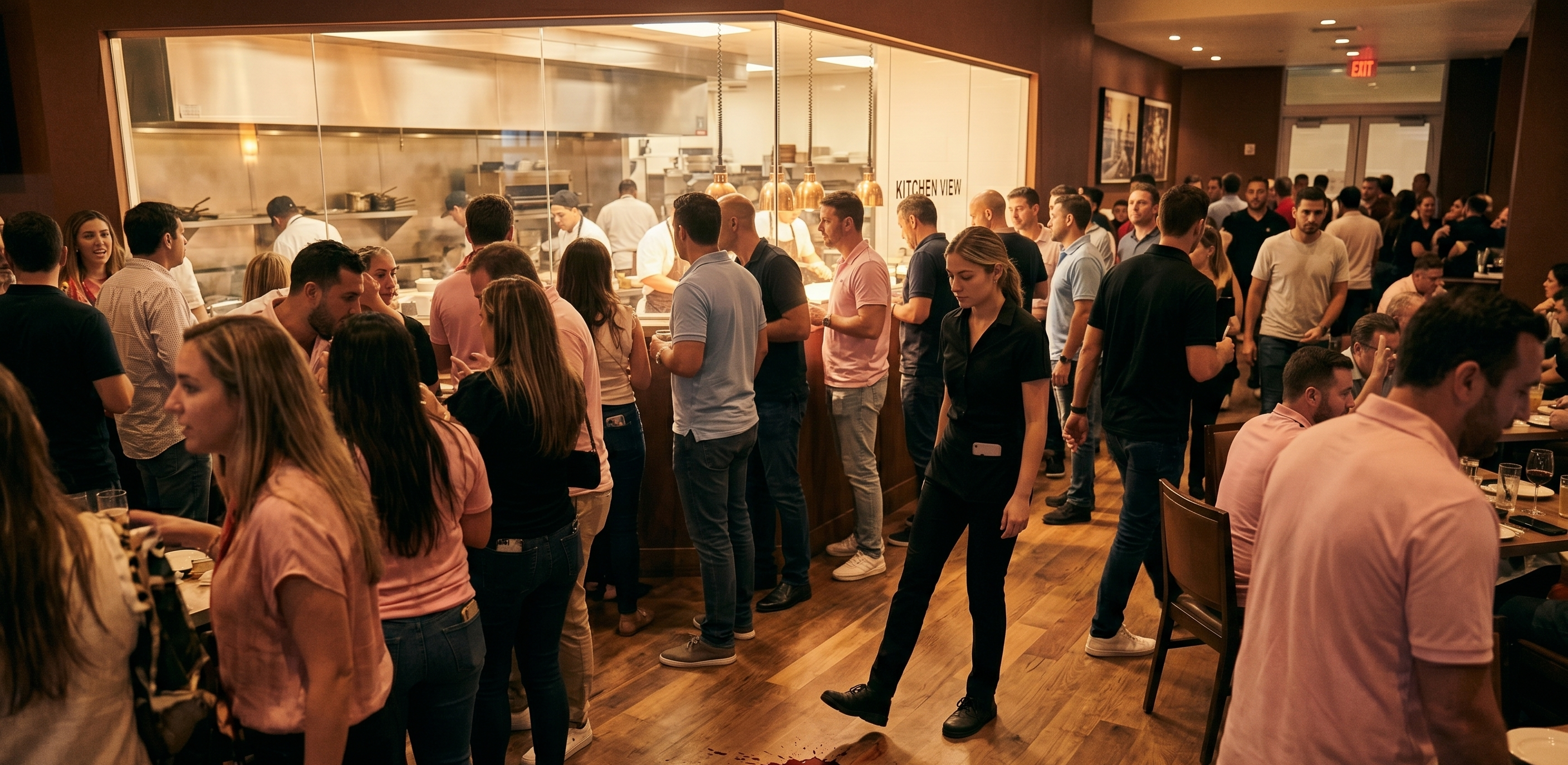
For operators, increased demand can create at least four immediate pressure points. First, more customers mean more premises liability exposure. Second, more alcohol service can increase service-related claims risk. Third, more staffing intensity can increase worker injuries and operational mistakes. Fourth, event-driven traffic can change delivery, catering, or off-site service patterns. None of those risks are theoretical in the restaurant world. OSHA’s restaurant and food-service safety guidance repeatedly highlights slip, trip, and fall hazards tied to clutter, wet floors, crowding, obstructed walkways, and rushed movement in active service environments.
This is one reason World Cup 2026 restaurant insurance should be reviewed before the first match, not during the busiest week. Insurance problems are rarely dramatic at the beginning. They usually appear when a claim occurs and the business realizes that the way it is currently operating is not exactly what its coverage structure assumed.
Miami Makes This More Than a General Hospitality Story
Many sports-themed business articles stay vague. This one does not need to. Miami is an official World Cup 2026 host city, and FIFA says it will host seven matches, including the bronze final. That matters because Miami is not simply a venue. It is a tourism engine with hospitality spillover across restaurants, sports bars, nightlife venues, quick-service operators, delivery businesses, and food concepts serving event traffic before and after matches.
Even businesses that are not physically adjacent to the stadium may feel the effect. Visitors stay in hotels, move through entertainment areas, gather for watch parties, order delivery, and create concentration points around transit and tourism corridors. In other words, World Cup 2026 restaurant insurance is not only a “stadium district” issue. It can affect businesses throughout broader hospitality ecosystems that absorb tournament traffic.
For Florida operators, that makes pre-event review more practical than speculative. If the tournament were remote or uncertain, the incentive to prepare would be weaker. But FIFA’s official host-city pages make clear that Miami is part of the event footprint, and that makes hospitality planning more immediate.
General Liability and Premises Risk During World Cup Crowds
One of the first areas businesses should review is general liability. During high-volume event periods, customer density changes the way small physical issues behave. A floor that is usually manageable can become hazardous when guests cluster around televisions, staff move quickly through narrow aisles, spilled drinks increase, and turnover accelerates. OSHA’s guidance for food-service environments emphasizes keeping floors clean and dry, keeping aisles and passageways clear, maintaining good repair, and reducing clutter and crowding in areas where employees and patrons move quickly.
That matters for restaurant owners because claims often emerge from ordinary conditions made worse by extraordinary traffic. A slip-and-fall is not always caused by a dramatic failure. It may result from a minor spill not cleaned quickly enough during a rush, a walkway narrowed by temporary furniture, or a congested service pattern that blocks visibility. When evaluating World Cup 2026 restaurant insurance, operators should think about whether customer flow, waiting areas, entry zones, and watch-party setups create a different premises-liability profile than normal service.
This is also where general liability becomes an important internal review point. A venue expecting unusual crowding should not assume that its risk is unchanged simply because its square footage is unchanged. The operating reality may be very different once event traffic starts.
Liquor Liability and Alcohol Service Exposure During Major Matches
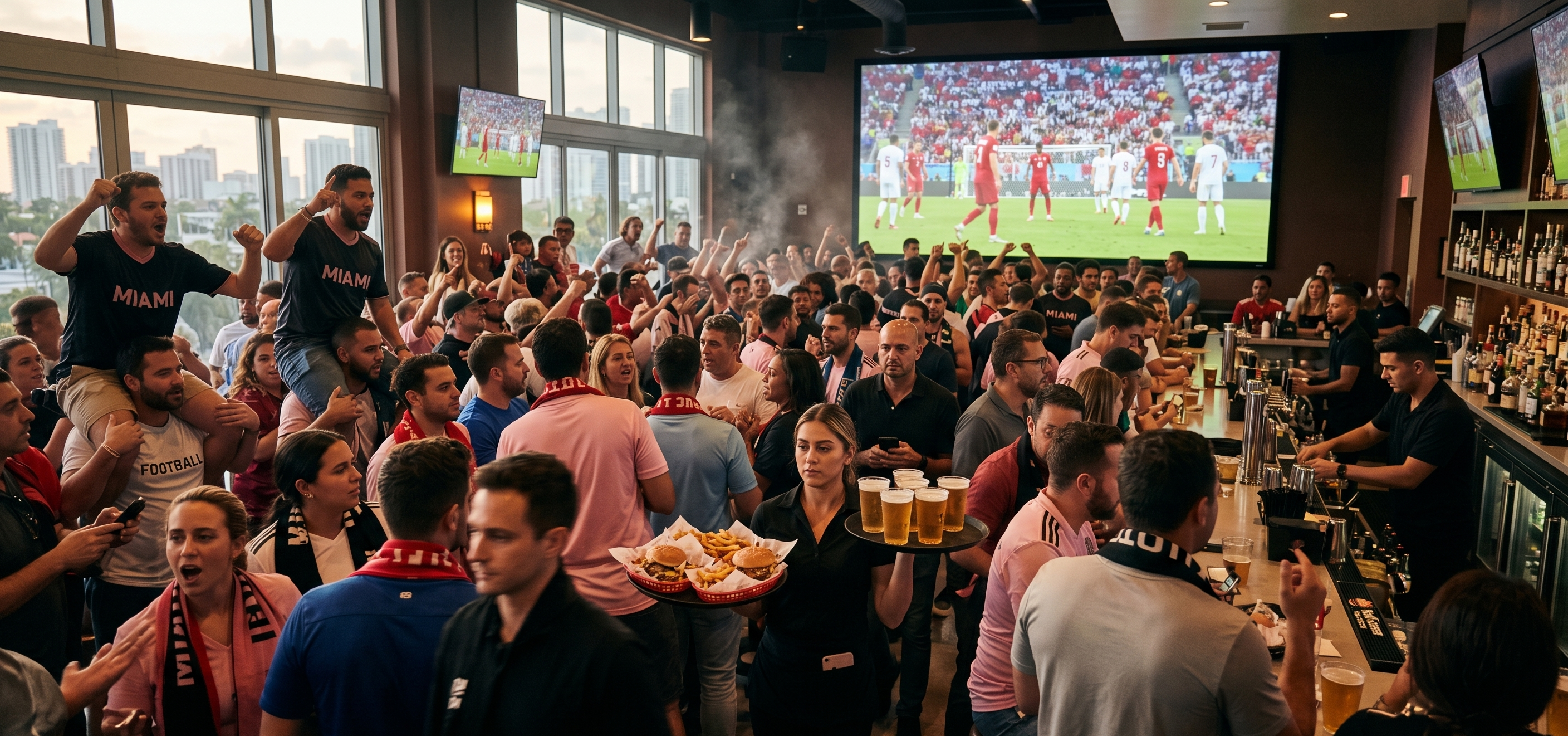
Restaurants and bars expecting match-day crowds should pay especially close attention to alcohol service risk. The National Restaurant Association’s alcohol-service guidance advises operators to allow guests only one drink at a time, discourage rapid or competitive drinking, and pace service because people generally metabolize alcohol slowly. The Association also recommends alcohol-service training and manager oversight through ServSafe Alcohol resources.
That guidance is not only about responsible service in theory. It becomes more relevant during large sports events because atmosphere changes behavior. Crowds stay longer, order more rounds, react emotionally to matches, and may arrive already primed to celebrate. For sports bars and entertainment-focused venues, World Cup 2026 restaurant insurance should include a hard look at whether alcohol-related exposure is materially higher during tournament weeks than during ordinary operations.
A business does not need to be a nightclub to face this issue. Any venue leaning into watch-party traffic, late service, drink specials, or extended dwell time may be creating a different risk environment. This is where staffing, service pacing, incident protocols, and insurance review start to overlap. The real lesson is that revenue opportunity and liability exposure often rise together during major sports events.
Workers’ Compensation Pressure When Restaurants Scale Up Fast
Insurance review should not stop at customer-facing risk. Tournament traffic can also put strain on the workforce. Restaurants may increase shifts, hire temporary staff, extend hours, run faster service, or push employees through more physically intense workflows. OSHA’s young worker and restaurant safety materials point repeatedly to slips, trips, falls, burns, cluttered pathways, carrying risks, and pressure in delivery, cooking, clean-up, and serving areas.
That matters because worker injuries often rise when staffing expands quickly without equivalent process discipline. A crowded front-of-house can affect the kitchen. A heavier delivery stream can affect loading areas. A bar rush can affect server movement and spill frequency. These are not separate issues. They are connected operational pressures. As a result, World Cup 2026 restaurant insurance should include a review of workers’ compensation assumptions alongside staffing plans, training, footwear policies, spill response, and movement through busy service zones.
For hospitality operators, this is a good point to pair operational review with workers’ compensation insurance. The insurance itself matters, but so does the readiness of the business to avoid preventable claims during a short period of intense volume.
World Cup 2026 Restaurant Insurance and Temporary Operational Changes
A business may think its coverage is fine because its concept has not changed. But temporary operational changes can matter even when the business name, lease, and menu remain the same. During a global event, restaurants may add temporary outdoor service, bring in extra seating, alter queue patterns, extend hours, host special viewing events, increase delivery runs, or collaborate with nearby hospitality partners. From a risk standpoint, those are not trivial details.
This is one of the most practical reasons to review World Cup 2026 restaurant insurance in advance. Insurance mismatches often come from small operational changes that owners considered temporary or obvious, but that materially altered the business’s exposure. A venue that becomes more entertainment-driven for a month may not resemble its normal underwriting profile in the ways that matter most after an incident.
The same logic applies to equipment use, food handling speed, and crowd concentration. The National Restaurant Association’s operating guidance, while broader in scope, underscores the importance of designated management responsibility, current food safety certification, sanitation discipline, and structured operating practices during periods of elevated operational complexity.
Business Interruption, Equipment Stress, and the Cost of a Bad Week
Major event periods can create more than liability exposure. They can also magnify the cost of interruption. If a restaurant loses refrigeration, suffers an equipment breakdown, has water damage, or is forced to close temporarily during a peak event window, the business impact may be larger than usual because lost days coincide with unusually high demand.
That does not mean every operator needs a dramatic crisis model. It means the timing of an interruption matters. During a globally visible tournament, a closure on the wrong weekend can erase the revenue upside the business was counting on. For operators reviewing World Cup 2026 restaurant insurance, this is the right moment to look at property, equipment-related exposure, and whether interruption-related coverage still aligns with peak-demand periods.
The broader point is simple: event-driven opportunity can make downtime more expensive. That is why insurance review before the World Cup should include not only guest incidents, but also the cost of operational disruption if the business cannot open or cannot serve normally during a key match period.

Delivery, Pickup, and Off-Site Demand Can Quietly Expand Exposure
Another issue businesses underestimate is how major sports events change fulfillment patterns. A restaurant may not see all event traffic in its dining room. Some of it may come through pickup, catering trays, packaged alcohol where permitted, delivery surges, and informal watch-party demand. OSHA’s delivery and storage guidance notes the importance of keeping walkways clear, managing outside conditions, and maintaining safe movement during loading and unloading.
From an insurance standpoint, this matters because a business can expand its risk footprint without feeling like it has expanded at all. If more employees are running food outside, more drivers are involved, more items are moved through temporary staging zones, or more production is rushed into a short service window, then the exposure pattern is changing. World Cup 2026 restaurant insurance should account for those shifts, especially for concepts that expect higher off-premises demand during match-heavy weeks.
This is also where commercial auto can become relevant for businesses using vehicles in connection with operations. Not every restaurant needs the same review, but businesses relying more heavily on delivery or transportation during event periods should not treat that exposure as background noise.
Why Event Revenue Can Hide Event Risk
One of the reasons hospitality businesses underprepare for major events is psychological. Revenue opportunity is visible first. Risk appears later. A full dining room feels like a win. A line out the door feels like momentum. A packed bar during a major match feels like proof that the business is capitalizing on demand.
But that same success can hide operational stress. Crowded floors, overextended staff, slower cleanup, inconsistent ID checks, tighter service lanes, and rushed management decisions all become more likely when the business is running at peak intensity. The FIFA host-city facts do not by themselves create claims, of course. But they do signal the scale of the environment in which hospitality businesses may operate. Miami’s seven-match role in the largest World Cup format ever is enough to make pre-event review sensible for many operators.
That is why World Cup 2026 restaurant insurance should be treated as part of event readiness, not merely as an administrative task. The point is not to become fearful. It is to make sure the business’s insurance structure still reflects the way the business will actually function when demand peaks.
A Practical Restaurant Insurance Review Before World Cup 2026
A practical review does not need to be theatrical. It needs to be honest. Operators should ask whether crowd size may increase, whether alcohol service intensity may rise, whether service hours may extend, whether staffing may change, whether watch-party or event-related setups alter customer flow, and whether more off-site or delivery activity is likely.
If the answer to several of those questions is yes, then World Cup 2026 restaurant insurance deserves a closer look. Businesses should review whether their current coverage reflects hospitality reality during major events, not only on a quiet weekday. This is also a good time to revisit broader risk management planning so insurance, staffing, service design, and incident prevention are working from the same operational picture.
The practical takeaway is not that every restaurant will face severe losses during the tournament. It is that a major, officially scheduled event in a host market creates a predictable reason to check whether insurance and operations still match. For hospitality businesses, especially in and around Miami, that is a disciplined business move, not an overreaction.
A Calm Conclusion on World Cup 2026 Restaurant Insurance
The 2026 World Cup will create real opportunity for restaurants, bars, and hospitality venues. More visitors, more match-day traffic, and more demand can be good for business. But larger crowds and higher intensity also change the exposure profile of many operations. Official FIFA sources confirm that the event is bigger than previous editions, with 48 teams, 104 matches, and a clear Miami host-city role. Official restaurant and workplace guidance also makes clear that alcohol service, floor safety, crowd movement, and worker pressure are not minor details during busy periods.
That is why World Cup 2026 restaurant insurance is worth reviewing before tourist volume spikes, not after. For hospitality businesses, the core question is simple: does current coverage still match the way the business will actually operate when match traffic arrives? If the answer is uncertain, a pre-event review is one of the most practical preparations a business can make.
 USA.CIS